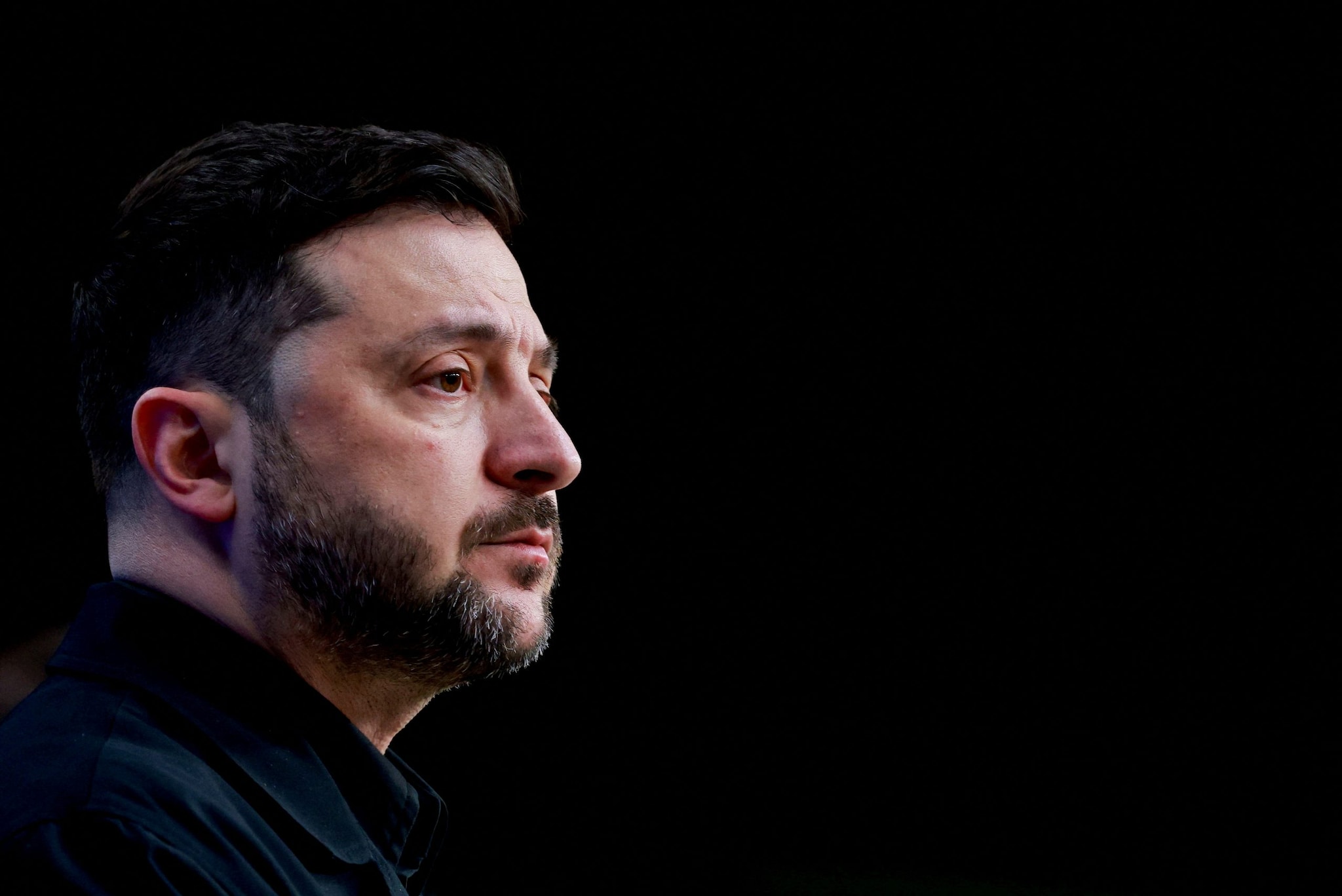
Ukraine is rewriting the rules of its war survival strategy. Facing a brutal manpower deficit after over four years of grueling war with Russia, President Volodymyr Zelenskyy just pulled the trigger on a massive overhaul of military compensation and contract structures. It's a heavy-handed, expensive bet to fix the army's biggest vulnerability, and it's happening right now.
The core of the strategy relies on an unprecedented influx of cash. Backed by a whopping €90 billion loan from the European Union, Ukraine is boosting its total defense spending to a record-breaking 4.4 trillion hryvnias (around $97 billion) for the year. Kyiv isn't just buying more drones or artillery shells with this money. They are funneling a massive chunk of it straight into the pockets of the people holding the line.
If you think this is just a minor inflation adjustment, you are completely missing the scale of what's happening.
The Cash Infusion Breaking the Scale
Let's look at the actual numbers because they're wild. The basic monthly wage for any service member sitting in a rear-area position is jumping by a third. It goes from 20,000 hryvnias to 30,000 hryvnias (about $670). That perfectly matches the country's average civilian monthly salary, which has been skyrocketing due to massive domestic labor shortages.
But the real shockwave is on the front lines.
The men and women in the mud, specifically the infantry assault teams, are getting a pay raise that completely alters their economic reality. Frontline infantry soldiers will now pull down an average monthly salary of 300,000 hryvnias ($6,670). Before this reform, those same troops made between 100,000 and 150,000 hryvnias. For the most intense, high-risk combat operations, maximum monthly pay can max out at 460,000 hryvnias ($10,220).
To put that in perspective, a frontline Ukrainian soldier can now earn in a single month what used to take them a year or two to bring home. Combat-unit commanders and experienced officers are also seeing their compensation instantly double. Kyiv finally realized that losing seasoned battlefield leaders because of burnout and financial strain is a luxury they can't afford.
Ditching the Endless Mobilization Trap
The biggest complaint among mobilized Ukrainian men hasn't actually been the money. It's the feeling of a one-way ticket. Up until now, being mobilized meant you were in the fight until the war ended, you got severely wounded, or you died. That reality has severely damaged public morale and made recruitment a nightmare for draft offices.
Zelenskyy’s new policy directly targets this dread by introducing fixed-term contracts with explicit end dates. The government is rolling out three highly specific options:
- Infantry assault contracts lasting 10 or 14 months.
- Combat service contracts capped at 24 months.
- Basic military service contracts lasting 24 months.
The best part for the troops? Once you finish one of these stints, you get a ironclad, guaranteed deferment from mobilization that lasts at least six months. For troops who have been stuck in uniform since 2022, the government is promising a phased, gradual demobilization process to start rolling out by the end of this year, using a strict system that prioritizes those who logged the most hours in high-intensity combat positions.
To ensure nobody gets cheated out of their cash or their time off, the Ministry of Defense is deploying a brand-new digital mission control system. This tech tracks exactly how many days an infantryman spends in an active combat trench. It automatically calculates their bonus pay, verifies their contract timeline, and even speeds up coordinates to locate wounded personnel.
Outsourcing the Front Line to Foreign Volunteers
Money and clearer contracts will help mobilize locals, but Kyiv knows the domestic math is still tough. That's why Ukraine is aggressively expanding its pipeline for foreign fighters.
Roughly 10,000 foreign volunteers from more than 70 countries have already cycled through the International Legion since the 2022 invasion. But the old way of recruiting through embassies was slow, bureaucratic, and bottlenecked. Zelenskyy has ordered a massive expansion of these recruitment channels.
The biggest operational shift here is that Ukraine plans to open up its foreign recruitment market to private recruiting firms. By letting professional, private entities handle the marketing, vetting, and logistics abroad, Kyiv expects to tap into a much deeper pool of Western military veterans who want high pay and a clear legal contract. These foreign fighters will plug into the exact same boosted pay scales and fixed-timeline options as domestic troops.
The Massive Risks Behind the Play
Don't buy into the government hype completely. This plan is a desperate gamble with plenty of friction points.
First, it relies entirely on foreign cash. The €90 billion EU loan is funding this massive payroll expansion. If Western political winds shift later or if those funds get delayed, Ukraine's defense budget faces an immediate, catastrophic cliff. You can't cut the pay of an infantryman in a trench by 50% mid-war without triggering an absolute mutiny.
Second, there is the inevitable cultural friction. Dropping thousands of highly paid foreign volunteers into domestic units can create massive resentment if not managed perfectly. Vetting is another nightmare. Private firms need to screen out the adrenaline junkies, the war tourists, and the radical extremists who are just looking for legal combat experience. One bad international unit committing a high-profile mistake can destroy Ukraine's fragile global PR campaign in seconds.
Your Next Steps for Following This Overhaul
The Cabinet of Ministers is already rolling out the administrative framework, and the very first updated paychecks are scheduled to hit bank accounts before the end of June. If you are tracking this conflict from an economic, political, or military perspective, stop looking at tank tallies and start looking at these indicators over the summer:
- Monitor the domestic draft evasion numbers: Watch whether regional recruitment centers report a drop in resistance or an increase in voluntary contract signings now that the 300,000 hryvnia frontline pay is active.
- Track the private recruitment rollouts: Look for the announcement of which private international firms secure contracts to source foreign volunteers and what specific countries they operate in.
- Watch the infantry rotation schedules: The real test of this reform happens when the first 10-month assault contracts expire. If the government actually honors the demobilization and the six-month deferment windows, trust in the military system will surge. If they find legal loopholes to keep men at the front, the entire system collapses.


