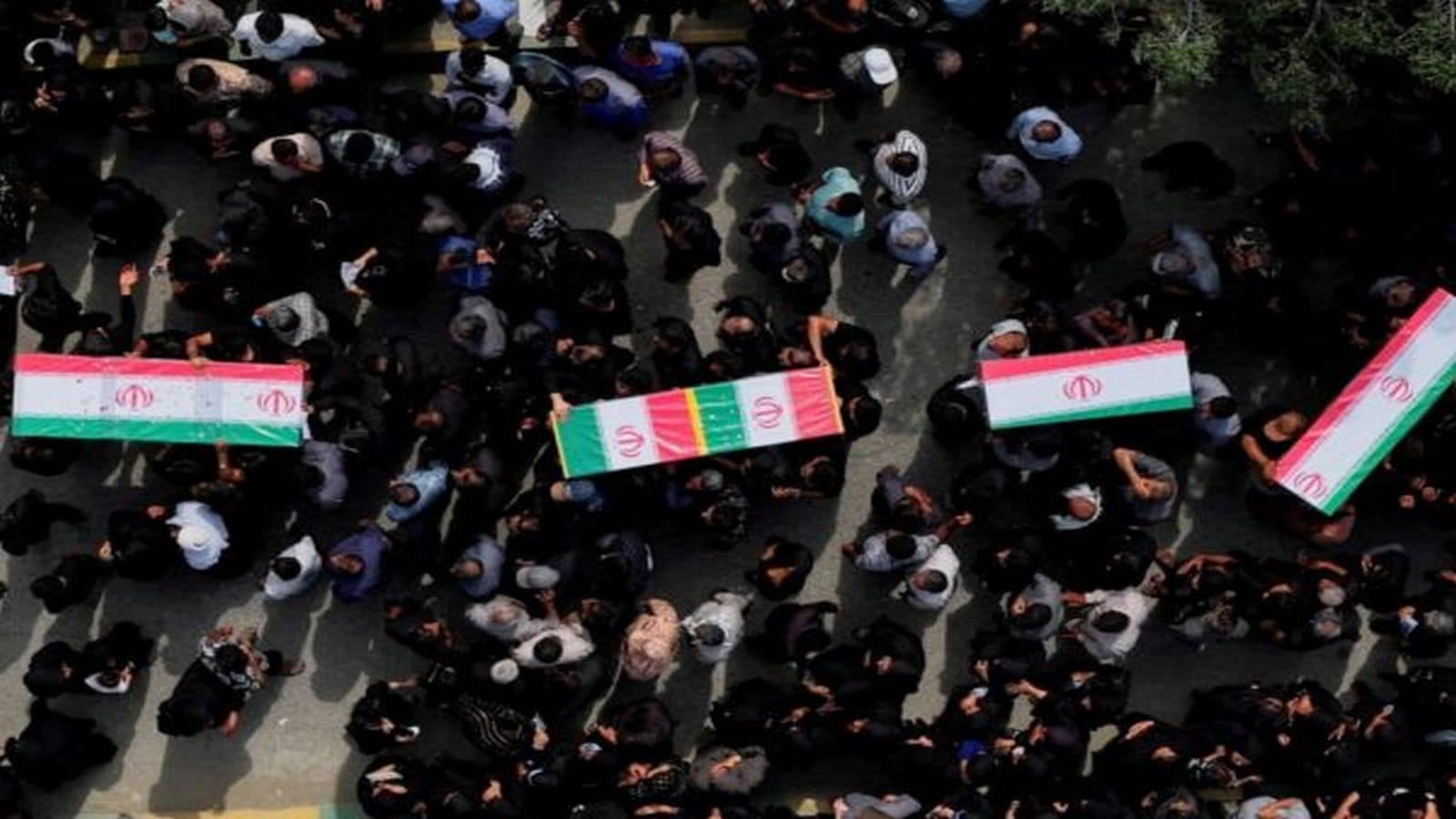
When a United Nations fact-finding mission drops a formal report declaring that a military superpower has reasonable grounds to answer for war crimes, the shockwaves usually reshape international law. That is precisely what happened when investigators released their findings regarding the February airstrikes in Iran, including the devastating attack on the Shajareh Tayyebeh girls' school in Minab.
If you have been following the fallout from the U.S. and Israeli military operations that began on February 28, 2026, you know the human toll has been catastrophic. But the legal battle over who pulled the trigger—and why target verification failed so spectacularly—reveals deep, systemic flaws in modern military engagement. Let us break down what the UN panel actually found, why the Minab school bombing changed the legal conversation, and what accountability looks like from here.
Inside the UN Findings on the Minab School Strike
The core of the UN Independent International Fact-Finding Mission's report focuses on two specific incidents: the elementary school bombing in Minab and a separate strike on a sports center in Lamerd.
On the morning of February 28, 2026, air operations hit Minab while children were arriving for class. The UN panel concluded that the school was a clearly identifiable civilian object and that investigators found zero evidence it was being utilized for military purposes.
Crucially, the report pushed back against the idea that this was merely an errant missile or standard collateral damage. Investigators stated that the U.S. military directed strikes directly at the school building while knowing there was a substantial risk of hitting civilians—acting with what international lawyers classify as recklessness. The attack killed dozens of children, teachers, and parents who rushed to the scene.
Outdated Intelligence and the Automation Trap
How does a modern military strike a primary school in broad daylight? Internal military investigations and reporting from outlets like The New York Times and Reuters pointed toward a terrifying culprit: outdated targeting data.
Initial intelligence operations reportedly intended to target a neighboring Islamic Revolutionary Guard Corps naval base. Somewhere in the chain of target acquisition, the coordinates blurred, faded, or failed verification.
When you lean heavily on automated systems, target-tagging algorithms, and rapid-fire operational tempos, precision can become an illusion. The UN panel emphasized that the U.S. failed in its fundamental legal obligation under international humanitarian law to do everything feasible to verify that a target was strictly military before launching. When precaution fails, civilian lives pay the price.
Shifting Blame Versus Facing Scrutiny
The diplomatic and political fallout has been predictably fierce. In the immediate aftermath, political leaders initially pointed fingers elsewhere or disputed accountability. However, independent satellite analysis, witness accounts, and internal military reviews gradually painted a consistent picture.
Meanwhile, U.S. officials have defended broader military objectives, noting the hostile environment in the region and framing actions through the lens of national defense and countering Iranian regime abuses. Yet, human rights organizations argue that pointing to an adversary's domestic crackdowns does not grant immunity from international humanitarian law. A war crime is evaluated on the specific conduct of the operation in question, not the sins of the opposing government.
The Broader Legal Precedent
Why does this UN panel report matter beyond the immediate headlines? Because it sets a benchmark for how international bodies judge the intersection of high-tech warfare and civilian protection.
When military planners use advanced algorithmic targeting without adequate human oversight, the risk of catastrophic failure skyrockets. The UN report serves as an urgent warning to military commands worldwide. Universal jurisdiction doctrines mean that commanders and personnel involved in operations violating international law face long-term exposure to foreign criminal investigations.
Accountability in modern warfare is slow, messy, and fiercely contested. But as families in Hormozgan province continue to visit graves and demand answers, the documented conclusions of the UN panel ensure that these strikes will not simply be swept under the rug of military secrecy.


