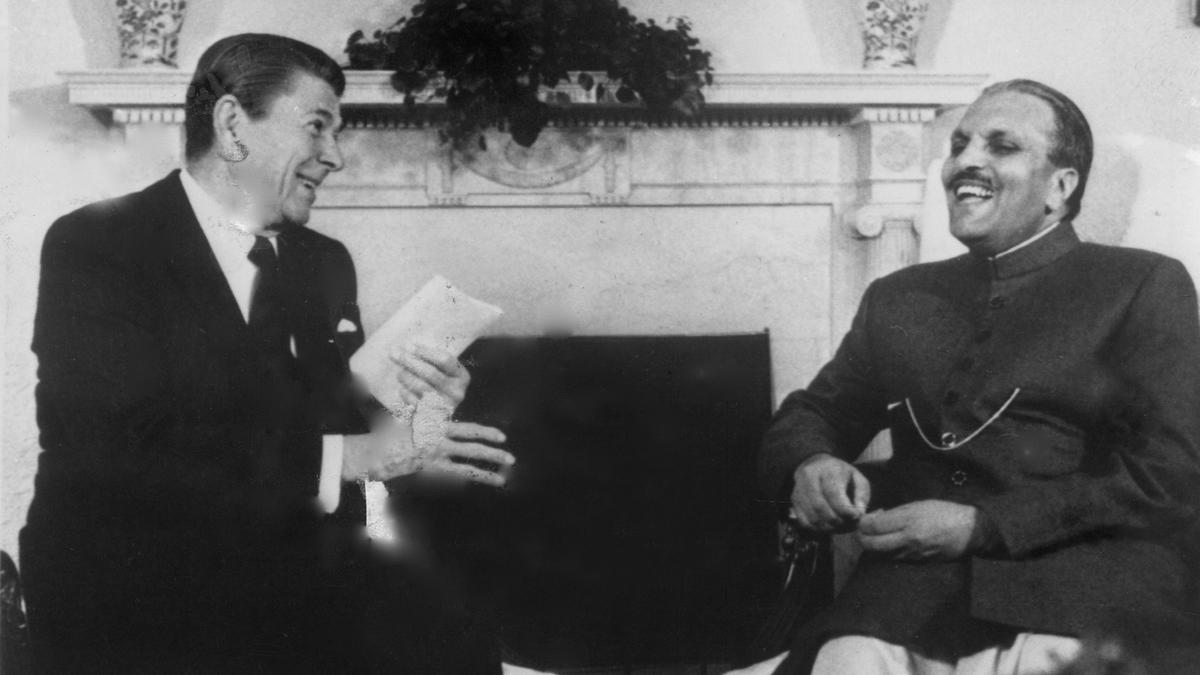
The partnership between the United States and Pakistan functions less like a traditional diplomatic alliance and more like an enduring, high-stakes transactional marriage built on mutual distrust. From the Cold War architecture designed by President Dwight Eisenhower and General Ayub Khan to the chaotic intelligence sharing of the post-9/11 era culminating in the Abbottabad raid, and onward to the erratic realignments of the modern White House, Washington and Islamabad are bound by a persistent chain of operational necessity. Every few years, foreign policy pundits declare the relationship dead, pointing to frozen military aid, scathing public rebukes, or geopolitical divergence. Yet, a gravitational pull always drags both capitals back together.
Understanding this dynamic requires abandoning the notion that bilateral ties are guided by shared democratic values or long-term strategic visions. Instead, the relationship operates on pure geopolitical utility. Pakistan offers geographic centrality and a massive military apparatus, while Washington holds the keys to international financial institutions, advanced defense hardware, and critical diplomatic leverage. When American administrations require a conduit into closed regional theaters—whether routing anti-Soviet supplies through the Inter-Services Intelligence agency in the 1980s or managing chaotic exits and counterterrorism goals in South Asia—Islamabad emerges as a functional instrument.
The Mechanics of the Cycle
The lifecycle of any American-Pakistani diplomatic thaw follows a remarkably predictable pattern. It typically begins with a sudden crisis or an urgent American security demand. Desperate for immediate tactical cooperation, Washington opens the financial and diplomatic floodgates, ignoring institutional warning signs from regional experts. Islamabad accepts the engagement, utilizing American capital and hardware to shore up its macroeconomic vulnerabilities and counter domestic security threats, while simultaneously maintaining strategic hedges against its eastern neighbor, India.
Eventually, a breaking point arrives. An egregious intelligence failure, an undetected high-value target living in a garrison town like Abbottabad, or a shifting domestic political landscape in Washington triggers an abrupt freeze. Aid is withheld, angry statements are posted on social media platforms, and analysts declare a permanent rupture. Yet, the divorce never quite finalizes. Before long, a new regional security headache emerges, a high-ranking military official travels to Washington for closed-door discussions, and the cycle resets itself entirely.
Navigating the Personality Factor
Foreign policy is executed by institutions, but it is frequently hijacked by individual personalities. Donald Trump’s distinct approach to foreign affairs has added a uniquely combustible layer to this historical continuity. Rather than relying solely on traditional diplomatic channels managed by career state department officials, the modern incarnation of U.S.–Pakistan relations has often hinged on direct, high-level optics, personal flattery, and transactional deal-making.
When transactional incentives align—such as counterterrorism cooperation yielding high-profile arrests or discussions concerning critical mineral extraction and rare earth resource development—the rhetoric from the Oval Office shifts from hostility to praise. Pakistan’s military leadership understands this psychological playbook intimately. By offering targeted wins that address an American president's immediate political or security priorities, Islamabad consistently manages to bypass institutional friction and secure high-level access that would otherwise be denied.
This personalized diplomacy, however, introduces acute structural instability. Relying on transactional chemistry means that relationships can evaporate the moment a single deal falls through or domestic political winds shift. It turns grand strategy into a rolling series of short-term fixes, leaving mid-level diplomats on both sides scrambling to manage the fallout of impulsive presidential declarations.
The Cost of Perpetual Expediency
The long-term consequence of this cyclical engagement is deep institutional cynicism in both countries. Within the United States, lawmakers and intelligence professionals view Pakistan through a lens of permanent skepticism, questioning whether counterterrorism cooperation is ever fully genuine or merely calibrated for financial extraction. Within Pakistan, military and civilian planners harbor a lingering resentment over what they perceive as a history of American abandonment once Washington's immediate regional objectives are met.
Despite these mutual grievances, structural realities prevent a permanent clean break. The physical geography of South and Central Asia remains immutable. The internal security challenges facing Pakistan—ranging from internal insurgencies to severe economic pressures—ensure that its leadership will continually seek external stabilization levers. Simultaneously, American global power projection, intelligence requirements, and broader great-power competition ensure that Washington will never completely ignore a nuclear-armed state positioned at the crossroads of some of the world's most volatile regions.
The chain remains unbroken not because the two nations trust each other, but because neither has found a viable alternative to the messy, frustrating reality of their interdependence.
US-Pakistan Reset? Trump's Aide Holds High-Stakes Meeting With Pakistan Army Chief Asim Munir
This video provides a direct look at the ongoing high-level diplomatic engagements between American officials and Pakistan's military leadership under the current administration.
http://googleusercontent.com/youtube_content/1


