When the summer heat bakes Arizona's Sonoran Desert into a calcified kiln, surface water vanishes. Dry washes stretch for miles as barren tracks of sand and stone, offering zero hydration to the wildlife that calls the region home. Yet beneath those baking riverbeds, moisture often lingers just out of reach. For decades, land managers and traditional conservationists have treated feral horses and burros as purely destructive forces—invasive pests trampling native vegetation and competing with bighorn sheep for scarce resources.
Then researchers started looking at what these animals do with their hooves when the creeks dry up.
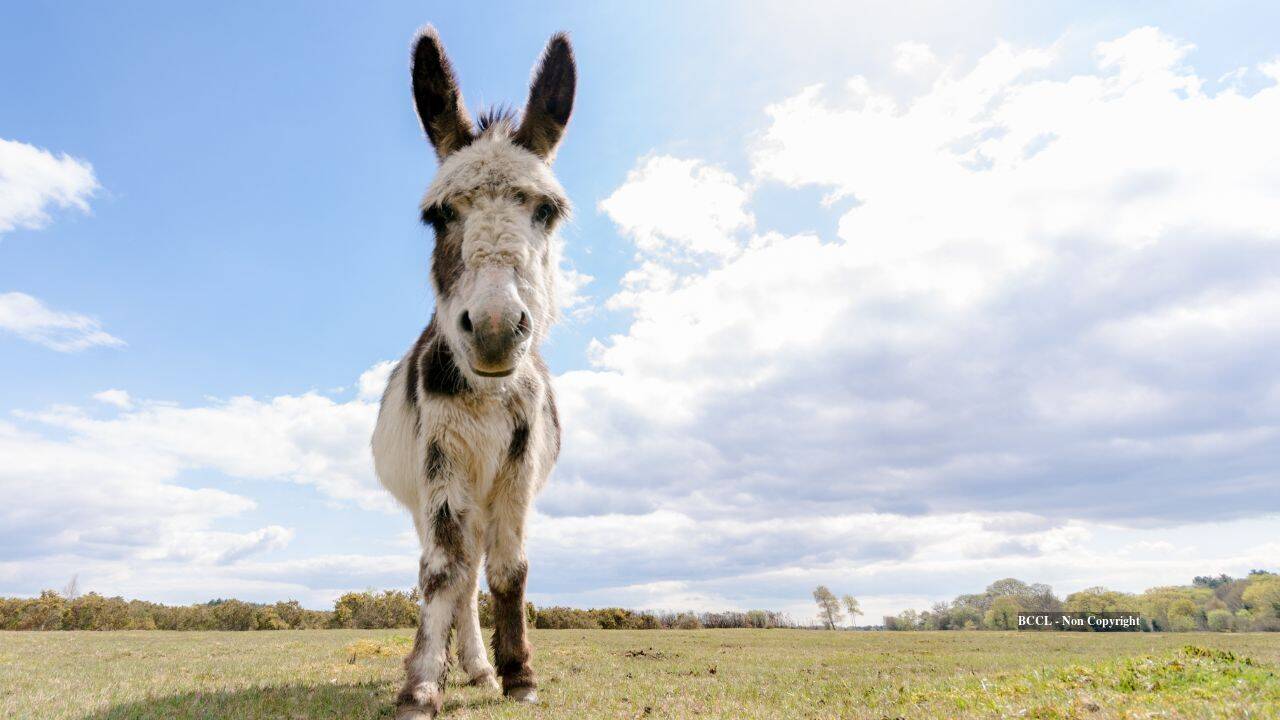
Wild horses and donkeys dig deep subterranean wells in dry streambeds, transforming themselves into unexpected ecosystem engineers. Far from being mere ecological liabilities, these equids excavate holes up to two meters deep that tap directly into subsurface alluvial water. In some monitored desert stretches, these animal-made wells provide up to seventy-four percent of the available surface water during peak drought periods, serving as literal lifelines for fifty-seven vertebrate species.
The Mechanics of Subsurface Engineering
Digging a desert well requires an immense expenditure of metabolic energy. Animals operating in arid environments under extreme heat face severe physiological stress, meaning trial-and-error behaviors carry a steep cost. Yet burros and mustangs consistently target dry washes where subsurface water pools against bedrock or flows slowly through underground sediment layers. Using broad, hardened hooves and powerful forelimbs, they scrape away dry upper layers of sand until they hit saturation.
This behavior is not entirely unique in the animal kingdom—beavers construct dams to alter hydrology, and elephants dig water holes in African riverbeds. However, documenting medium-sized introduced ungulates performing comparable engineering feats in North American deserts forces a complicated reassessment of how non-native species interact with arid landscapes.
The physical footprint of these excavations extends far beyond simple fluid access. By piercing the dry crust, the equids shorten the distance between accessible water sources across the broader terrain by an average of nearly eight hundred meters. In a fractured landscape where smaller creatures face lethal physiological limits when traveling under the sun, shaving miles off a journey between drinks alters survival probabilities entirely.
A Biodiversity Hub in the Dust
When scientists deployed camera traps around these equid-dug wells across the Sonoran and Mojave deserts, the breadth of visitors proved astonishing. Fifty-seven distinct vertebrate species were recorded utilizing the holes. The roster spans tactical predators and fragile prey alike: mountain lions, mule deer, coyotes, bobcats, javelinas, ringtails, bats, migratory songbirds, and diverse reptiles. Even apex predators like black bears have been caught on camera utilizing the water.
Statistical analysis reveals that biological activity near these active and abandoned wells dwarfs dry surrounding terrain. Biodiversity counts near the excavated sites run roughly sixty-four percent higher than control areas lacking wells. During severe seasonal dry spells, these holes become the singular nexus around which local food webs temporarily revolve.
Furthermore, the hydrological legacy of a well persists long after the horses or donkeys move on. Abandoned holes collect organic matter and retain moisture below the surface, creating micro-sites where riparian plants can take root. Researchers have tracked Fremont cottonwood and willow seedlings sprouting successfully inside these hollows, shielded from scouring flash floods and fierce winds, eventually growing into mature trees that permanently alter the desert canopy.
The Management Paradox
These findings complicate the standard frameworks used by wildlife management agencies. Federal bodies like the Bureau of Land Management face intense pressure to reduce or eradicate wild horse and burro populations to protect native flora and prevent overgrazing. Environmental degradation caused by high densities of hard-hooved ungulates is well-documented; soil compaction, trail erosion, and the stripping of delicate riparian vegetation remain pressing concerns.
Yet labeling these animals as purely invasive or alien overlooks the functional roles they have inadvertently assumed in ecosystems that lost similar native megafauna millennia ago. North America historically hosted native horses and camels before Pleistocene extinction events stripped the continent of its large-bodied grazers and diggers. The modern feral equid populations, while descendants of domestic stock introduced by European settlers, may be functionally substituting for long-lost ecological actors.
This creates an acute management dilemma. Reducing equid populations to protect fragile desert soils can inadvertently pull the plug on critical water infrastructure relied upon by dozens of native species during extreme droughts. Conversely, leaving the populations unmanaged risks severe overgrazing and the localized collapse of the very vegetation that stabilizes the watershed.
The reality of arid land management resists simple categorizations of native versus invasive, good versus bad. As climate pressures intensify and seasonal droughts lengthen across the American Southwest, the survival of numerous desert vertebrates may paradoxically depend on the persistence of animals traditionally targeted for removal, tying the fate of native wildlife directly to the hooves of despised wanderers