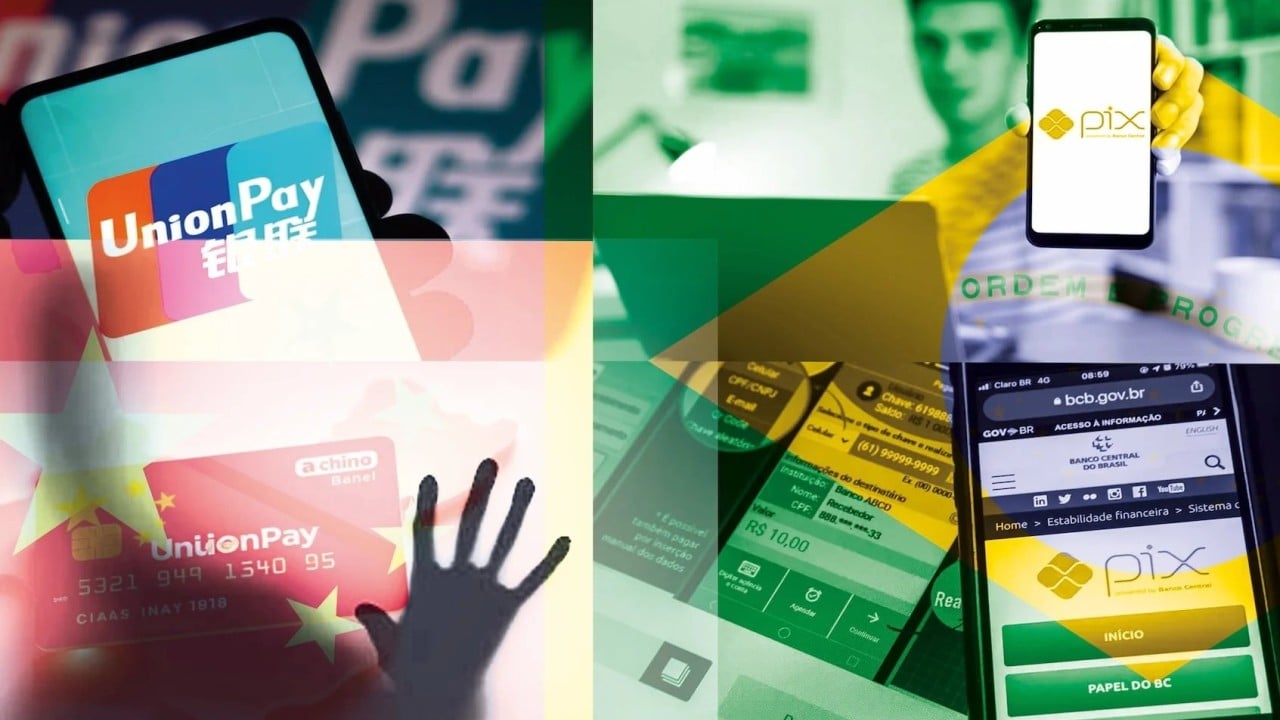
Trade friction often breeds unexpected financial engineering. When Washington targeted Brazil's instant payment infrastructure under Section 301 reviews, few expected the ripple effects to hit cross-border mobile architectures so quickly. China's UnionPay International recently laid out plans to plug Chinese payment applications directly into Brazil's Pix network.
If you run a cross-border enterprise or watch global monetary trends, this move is impossible to ignore. Pix handles tens of trillions of reals annually inside South America's largest economy. By building a bridge for Chinese tourists and business travelers to scan and pay using domestic bank accounts through Pix merchants, the payment landscape shifts away from traditional Western card duopolies.
Why Washington Targeted Pix in the First Place
You have to understand the underlying political pressure to see why this technical integration matters. The Office of the United States Trade Representative flagged Pix because of its massive market penetration and state backing. When a central bank builds a real-time payment network that captures over 40 percent of e-commerce and processes nearly 80 billion transactions a year, private Western networks lose ground.
Washington argued that mandatory participation for major banks and capped transaction fees created an unfair environment for US financial firms. That dispute triggered tariff threats and diplomatic friction. Brazil's leadership defended Pix as a public digital asset. Instead of backing down under trade pressure, international financial players are finding alternative ways to interoperate with the system.
The Mechanics of UnionPay and Pix Integration
Under the proposed pilot structure, users opening the UnionPay app or participating Chinese bank applications can scan standard Pix QR codes at Brazilian storefronts. The transaction deducts funds directly from the user's home account without requiring traditional credit card conversions or high intermediary fees.
Pix was originally built strictly for domestic use by the Central Bank of Brazil in November 2020. Opening the architecture to foreign rail operators like UnionPay proves that state-backed instant payment systems can become global clearing nodes. It bypasses legacy SWIFT rails and traditional card networks entirely.
What This Means for Global Merchants and Travelers
If you travel between Asia and South America, payment friction used to drain a noticeable percentage of your transaction value through currency conversion spreads. Direct QR code interoperability changes that equation.
Merchants in Brazil gain immediate access to high-spending Chinese tourists without needing special point-of-sale hardware updates. They just keep using their standard Pix dynamic or static QR codes. Meanwhile, UnionPay expands its footprint outside mainland China, where it already dominates domestic QR volume across millions of merchants.
The Wider Geopolitical Fallout
Other nations are watching this experiment closely. Central banks across Europe and Asia are designing their own sovereign digital payment rails. When the US penalizes a country for building a successful domestic payment utility, it incentivizes those nations to look eastward and southward for alternative financial partnerships.
UnionPay integrating with Pix shows that digital payment networks are hardening into distinct geopolitical blocs. You can expect more bilateral linkages between non-Western payment systems as countries look to insulate themselves from US trade enforcement actions.
Adapt your cross-border strategy now. Traditional card rails are no longer the only game in town.