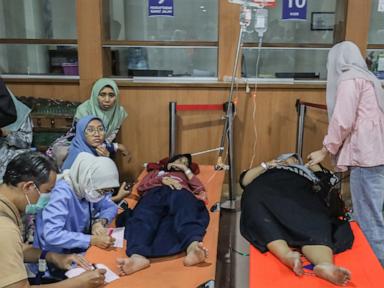
Urban HVAC infrastructures present a recurring systemic vulnerability during peak summer conditions. When a second fatality emerged from a 72-case cluster on Manhattan’s Upper East Side, media narratives defaulted to standard tragedy coverage rather than dissecting the structural mechanics driving aerosol transmission in high-density environments. Understanding the mechanics of Legionella pneumophila outbreaks requires analyzing three key variables: thermal threshold dynamics, cooling tower physics, and municipal regulatory enforcement latency.
The Transmission Vector Cascade
Legionella bacteria proliferate in stagnant water maintainable within a temperature window of 68°F to 122°F (20°C to 50°C). Building cooling towers act as ideal biological incubators when biocide dosing falls below operational thresholds or when organic bio-films shield bacterial colonies from chemical agents.
The transmission process follows a predictable four-stage physical cascade:
- Colonization: Stagnant water basins inside commercial or high-rise residential HVAC units accumulate sediment, allowing Legionella bacteria to multiply.
- Aerosolization: Mechanized cooling tower fans vaporize contaminated water into micro-droplets (1 to 5 microns in diameter).
- Atmospheric Dispersion: Thermal plumes lift these respirable micro-droplets into urban wind corridors, distributing the aerosol across multiple city blocks.
- Alveolar Deposition: Human hosts inhale airborne droplets. Because particles smaller than 5 microns bypass upper airway defenses, bacteria deposit directly into the pulmonary alveoli, initiating severe atypical pneumonia.
Legionella does not transmit via person-to-person vectors. Outbreak scale depends entirely on aerosol drift radius and the volume of ambient exposure within dense population zones.
Case Density and the Remediation Lag
Municipal health data from the Upper East Side outbreak demonstrates the classic bell curve of point-source exposure paired with regulatory remediation.
Case tracking revealed a sharp initial surge averaging more than eight confirmed cases per day through July 8. Following targeted regulatory orders requiring building operators to drain, hyper-chlorinate, and disinfect positive cooling systems, daily confirmed transmissions dropped to fewer than one case daily between July 10 and July 17.
Surge Phase (Pre-Intervention)   : 8+ cases/day  [High bacterial aerosol flux]
Remediation Window (Chlorination): Interventions applied across 75+ positive towers
Control Phase (Post-Intervention): <1 case/day   [Aerosol generation suppressed]
The discrepancy between the elimination of the transmission source and ongoing clinical reportings stems from the extended clinical incubation period of Legionella pneumophila, which ranges from 2 to 14 days post-exposure. A secondary fatality reported late in an outbreak cycle does not indicate ongoing active transmission; rather, it reflects the tail end of clinical progression for individuals exposed during peak aerosolization.
Structural Vulnerabilities in Municipal Defense Systems
New York City mandates strict maintenance schedules under Local Law 77, requiring building owners to register, inspect, and treat cooling towers with periodic biocides. Despite these operational standards, enforcement bottlenecks persistently emerge due to three system limitations:
- Testing Turnaround Latency: Polymerase Chain Reaction (PCR) testing identifies bacterial DNA quickly, but standard culture testing—necessary to confirm live, infectious bacteria—requires up to 7 to 14 days. This delay creates an operational window where aerosol generation continues while culture verification pends.
- Widespread Baseline Contamination: Environmental testing identified trace or active Legionella presence in over 75 cooling towers across the affected zone. Differentiating the primary aerosol source from baseline ambient bacterial presence requires complex pulsed-field gel electrophoresis (PFGE) or whole-genome sequencing (WGS) matching patient isolates to specific tower samples.
- Intermittent Compliance Failures: Biocide dosing regimens often rely on automated chemical feed systems. Mechanical pump failures, depleted chemical reservoirs, or sudden heatwaves that spike water temperatures can instantly render standard chemical dosing ineffective.
Strategic HVAC Risk Mitigation Protocol
To prevent recurring summer outbreaks in metropolitan centers, facility management protocols must shift from reactive remediation to automated risk prevention. Building operations should execute a four-point mechanical protocol:
- Automate Biocide Feedback Loops: Replace manual chemical dosing schedules with real-time oxidation-reduction potential (ORP) sensors linked to automated biocide injection pumps.
- Execute Preventive High-Dose Thermal Disinfection: Conduct pre-summer thermal flushes and chemical shock treatments before ambient city temperatures consistently cross the 75°F (24°C) threshold.
- Deploy Continuous Drift Eliminators: Retrofit cooling tower exhaust stacks with high-efficiency drift eliminators engineered to reduce liquid droplet loss to less than 0.001% of the circulating water rate.
- Establish Rapid PCR Screening Triggers: Implement immediate building-level PCR screening as soon as local municipal authorities flag an initial case in the surrounding postal code, rather than waiting for formal municipal enforcement orders.
Facility managers who maintain automated ORP levels above 600 mV continuously eradicate Legionella colonies before aerosolization can occur, converting regulatory compliance into an absolute physical defense against airborne disease transmission.