The financial press is running the same tired playbook. Oil hits $86 a barrel because Washington decides to dust off its sanctions manual, and suddenly every retail trader and mainstream analyst starts screaming about a triple-digit crude super-cycle. The consensus narrative is neat, tidy, and utterly wrong. It says that restoring the US blockade on Iran and threatening energy targets will choke off global supply, leaving the world starved for oil.
It is a comforting story for commodity bulls. It is also a fundamental misunderstanding of how modern energy markets actually function.
I spent over fifteen years on physical trading desks, watching billions of dollars chase these exact geopolitical headlines, only to get absolutely slaughtered when reality caught up with the hype. If you are buying oil at $86 because you think Uncle Sam can unilaterally lock down Iranian crude, you are the liquidity more sophisticated players are about to dump their positions into.
Here is the inconvenient truth the talking heads on television are ignoring: physical oil does not care about white papers written in Washington.
The Myth of the Imperial Blockade
The bedrock of the current market panic is the belief that a US blockade actually stops Iranian oil from moving. It does not. It merely changes the paperwork.
When the US "restores" a blockade, it does not physically park warships outside Kharg Island to stop tankers. It uses financial sanctions, threatening to cut off foreign banks from the SWIFT network if they clear transactions for Iranian crude. In the early 2010s, that was a devastating weapon. Today, it is an administrative hurdle.
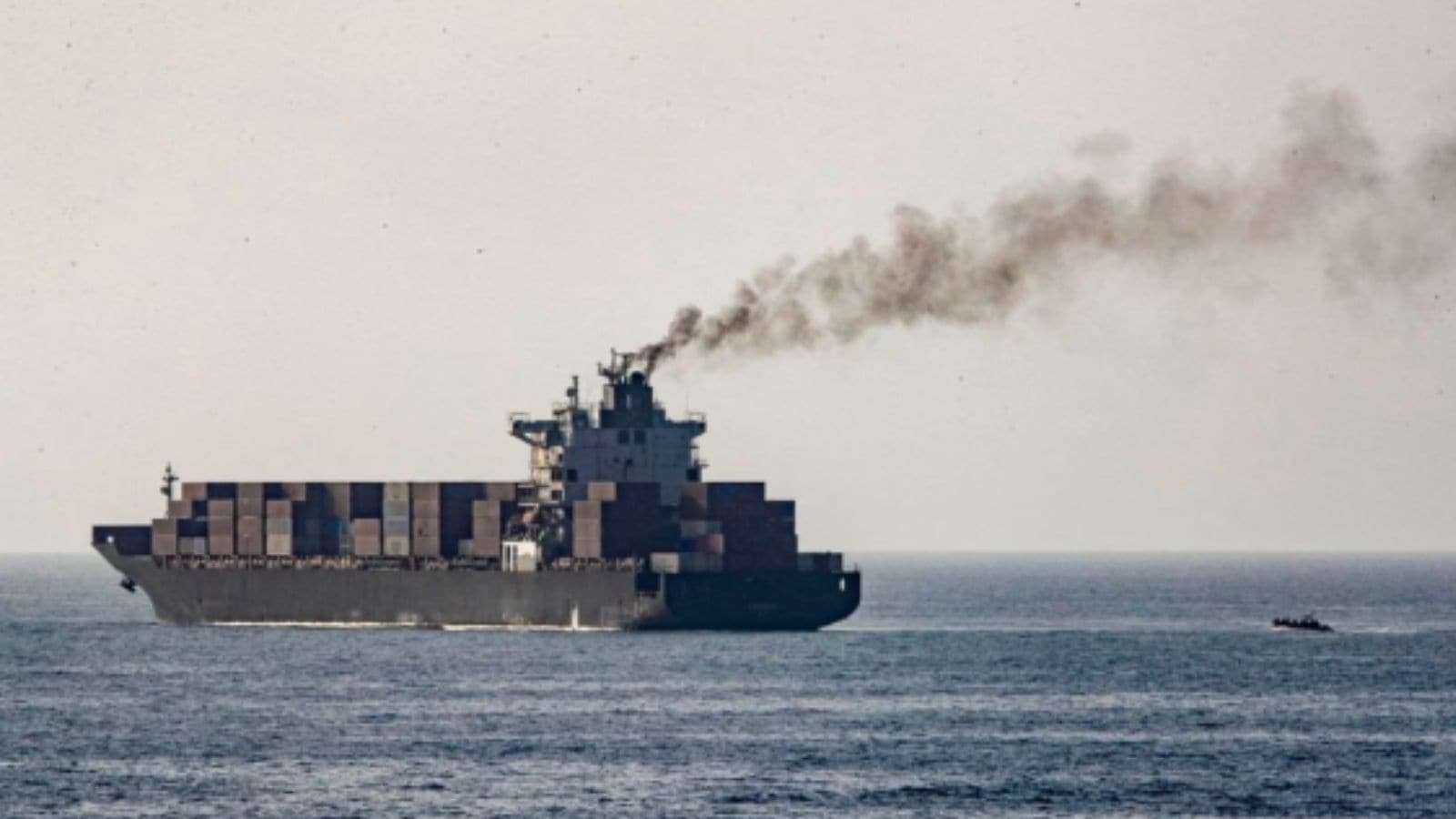
Over the last decade, a massive, parallel shipping and financial infrastructure has been built specifically to bypass Western oversight. We call it the "shadow fleet"—hundreds of aging, mid-sized tankers operating under flags of convenience, using ship-to-ship transfers in international waters to mask the origin of the cargo.
- The Paper Trail: Iranian crude gets rebranded as Malaysian blending components or crude of "Middle Eastern origin" in the South China Sea.
- The Payment Rail: The transactions do not touch US dollars, US banks, or SWIFT. They are cleared in Chinese yuan through regional, non-systemic Chinese banks that have zero exposure to the US financial system.
To think a US policy shift instantly removes 1.5 million barrels per day (bpd) from the global balance sheet is laughably naive. The crude still flows. It just flows at a discount, directly to independent refiners in Shandong province who are more than happy to pocket the margin.
Why Washington Can No Longer Afford High Oil Prices
Let's address the domestic political reality that the "geopolitical premium" crowd completely overlooks. No sitting US administration actually wants oil to stay at $86, let alone run to $100. High oil prices are a political death sentence. They drive up pump prices, reignite sticky inflation, and force central banks to keep interest rates higher for longer.
The moment oil prices threaten the domestic economy, the enforcement of these very blockades quietly softens.
I have watched this cycle play out repeatedly. The administration announces a "hardline stance" to satisfy foreign policy hawks and look strong on the evening news. Then, behind closed doors, treasury officials quietly issue waivers, decline to enforce secondary sanctions on key Asian buyers, or turn a blind eye to the shadow fleet's movements.
The "threats to energy targets" are almost entirely rhetorical. Actually striking energy infrastructure in the Middle East would trigger a genuine global recession. The US knows it. Iran knows it. The market, temporarily blinded by headline risk, pretends not to know it.
The Supply Response the Market is Ignoring
While the media focuses on geopolitical theater in the Persian Gulf, they are missing the massive, grinding supply engines operating elsewhere.
The structural bear case for oil does not rely on Iranian cooperation. It relies on geology and technology.
US Crude Oil Production (Million Barrels Per Day)
Year    | Production Level
--------------------------
2020    | 11.3
2022    | 11.9
2024    | 13.2
2026* | 13.5 (Projected)
US shale producers have spent the last five years quietly mastering capital discipline and drilling efficiency. They are no longer burning cash to grow production at all costs, but they have learned how to squeeze massive volumes out of longer horizontal wells and multi-well pads.
Every time oil climbs above $80, it acts as a massive cash incentive for non-OPEC+ producers to ramp up. It is not just West Texas and New Mexico. Look at Guyana, where ExxonMobil is rapidly scaling deepwater production. Look at Brazil's pre-salt fields. Look at Canada’s oil sands optimization.
This non-OPEC+ supply growth is a slow-moving tidal wave. It does not make for exciting breaking news banners, but it is far more powerful than any temporary diplomatic standoff.
The Danger of Your Own Bull Case
To be fair, my contrarian view has a clear vulnerability. If an actual, kinetic military strike occurs—if missiles physically impact major processing facilities like Abqaiq or completely shut down the Strait of Hormuz—oil will spike to $120 overnight.
But as a professional trader, you have to calculate the probability of that outcome versus the cost of holding a long position at the top of a cycle.
Betting on a catastrophic war to bail out your investment thesis is a historically terrible strategy. Most of the time, the tension simmers, the tankers keep moving under cover of darkness, and the fundamental reality of oversupply eventually asserts itself.
When that happens, the speculative long positions—the hedge funds and retail buyers who bought the $86 breakout—will panic. They will all rush for the exit at the same time, turning a minor price correction into a rout.
Stop trading the headlines. Stop believing that a pen stroke in Washington can override the laws of global supply and demand. The easy money on the long side has already been made, and those who are buying the peak of this geopolitical scare are about to learn a very expensive lesson in market mechanics.
Sell the hype. The oil is still flowing.

