The United States military just blew up another suspected drug vessel in the eastern Pacific Ocean, killing two people. It’s a routine headline under Operation Southern Spear, but the real story isn't the explosion on the water. It’s the abrupt shift toward the mainland.
If you've been following Washington's aggressive posture against cartels, you know the boat strikes started in September 2025. Now, the strategy is growing legs. Defense Secretary Pete Hegseth recently announced plans to push the campaign directly onto land across Latin America. That escalation changes everything.
The Pacific Strike and the Toll So Far
US Southern Command confirmed that forces executed a kinetic strike on a low-profile vessel operating along known trafficking lanes. Grainy footage shared on social media showed the typical sequence: a boat moving across the water followed by a sudden detonation.
The numbers are piling up fast. This latest attack pushes the death toll past 210 people across more than 60 strikes in the eastern Pacific and the Caribbean.
Yet, basic transparency remains missing. The Pentagon routinely asserts that intelligence confirms a vessel's involvement in narco-trafficking, but public evidence is rarely shared. That lack of proof fuels ongoing friction between the administration and its critics.
Moving the Fight Onto Land
Bombing boats on the open ocean is one thing. Invading foreign soil to hunt cartels is an entirely different beast.
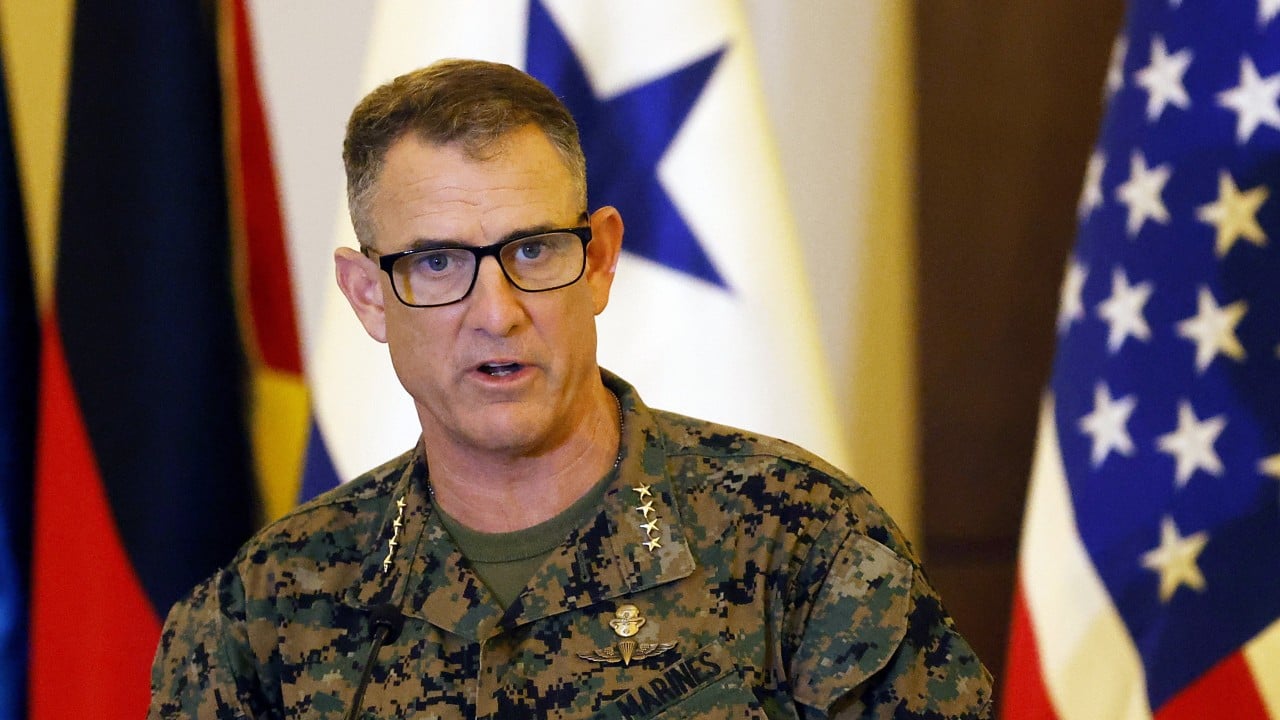
During a recent visit to Panama, Hegseth claimed that nations like Colombia, Guatemala, and Honduras agreed to permit joint military operations against criminal groups on their domestic turf. Diplomatic friction followed immediately. Guatemala publicly pushed back, denying that any such agreement was ever finalized.
Ecuador already paved the way by launching similar joint missions earlier in the year. But expanding this footprint across the broader region risks serious diplomatic blowback and messy entanglements.
Why Critics Are Raising Alarms
Legal scholars and lawmakers are asking hard questions. Is this strategy even targeting the right supply chains?
Critics point out a glaring geographic mismatch. Much of the deadly fentanyl driving American overdose crises arrives over land through Mexico, synthesized from precursor chemicals imported from Asia. Sinking semi-submersible boats in the Pacific feels dramatic, but experts question its actual impact on land-based drug flows.
At the same time, the Pentagon's internal watchdog announced an investigation into whether the military is strictly following the six-phase Joint Targeting Cycle during these operations. While the review sidesteps the broader legality of the strikes, it highlights growing institutional anxiety over rules of engagement.
The campaign is entering a volatile new phase. Expect more friction as boots prepare to hit the ground.
Watch U.S. military strikes suspected drug boat, killing one in eastern Pacific to see archival footage and reporting on the escalation of these maritime interdictions.
http://googleusercontent.com/youtube_content/1