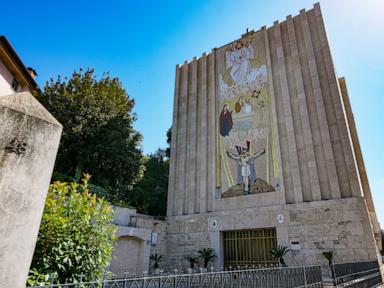
Secrecy Is Not the Root Cause—It Is the Structural Shield
The standard media narrative surrounding the Marko Rupnik case is comfortably predictable. Outlets fixate on "Vatican secrecy" as though transparency alone would magically resolve centuries of entrenched institutional protectionism. This framing is lazy, superficial, and fundamentally misdiagnoses the mechanism at work.
Institutional secrecy is not an accidental habit or a cultural oversight that can be patched with public relations statements and reformist slogans. It is a calculated structural feature designed to shield institutional assets, prestige, and power from legal and public accountability. By obsessing over whether the Holy See is being "open enough," mainstream coverage completely misses how canon law, theological soft power, and legal immunity intersect to create systematic impunity.
The Illusion of Canonical Justice
When the Dicastery for the Doctrine of the Faith (DDF) handles high-profile abuse allegations against prominent figures like Rupnik, media commentators habitually frame the issue around procedural delays or secretive tribunals. The deeper reality is far more uncomfortable: canon law itself operates under a fundamentally different logic than secular criminal jurisprudence.
- Statute of Limitations Manipulation: Canonical statutes of limitations are routinely waived or enforced at the sole discretion of church authorities, turning legal timelines into political levers rather than neutral standards of justice.
- Confidentiality vs. Transparency: Canon law treats internal proceedings through the lens of pontifical secret, prioritizing the protection of the ecclesiastical office over the rights of victims and the public interest.
- Asymmetry of Power: Alleged victims navigate a canonical legal system where they lack basic discovery rights, public hearings, and independent oversight mechanisms guaranteed in modern secular courtrooms.
Focusing merely on "the lack of communication" allows church officials to treat a structural governance crisis as a simple communications failure.
Art, Influence, and Ecclesiastical Soft Power
Marko Rupnik was not simply a priest; he was a renowned artist whose mosaics decorate prominent sanctuaries worldwide, from Lourdes to the Vatican itself. This visual prominence created an elite network of theological and administrative protection that buffered him from early accountability.
High-profile institutional figures accumulate an immunity dividend. When an individual’s work becomes intertwined with an organization's identity and global brand, the institutional incentive shifts from seeking truth to minimizing brand damage.
"When institutional prestige becomes dependent on the legacy of a single individual, internal disciplinary mechanisms are systematically downgraded from enforcement tools to risk-management protocols."
Evaluating the Rupnik affair requires analyzing how cultural capital within religious institutions can neuter formal accountability mechanisms.
Dismantling Common Assumptions
Is Transparency Sufficient to Fix Ecclesiastical Justice?
No. Transparency without external legal enforceability is merely public relations. A fully transparent system that operates on outdated canonical frameworks still leaves victims without enforceable rights or independent judicial recourse.
Why Do Canonical Statute of Limitations Exemptions Matter?
Because arbitrary application of legal limits undermines equal protection. When statutes are lifted only after public outrage becomes unmanageable, it proves that public pressure—not legal principle—drives institutional action.
Can Internal Church Reforms Prevent Future Misconduct?
Internal reforms that leave final judicial authority exclusively within the same hierarchy handling administrative affairs will inherently suffer from structural conflicts of interest. Genuine accountability requires external legal oversight and non-ecclesiastical judicial pathways.
The Structural Reality
Demanding "more openness" from an absolute monarchy without changing the underlying legal and administrative framework is an exercise in futility. The Marko Rupnik case demonstrates that until canon law is subjected to independent legal scrutiny and external judicial accountability, institutional self-preservation will always trump justice. Stop asking for better press releases; demand the dismantling of structural immunity.


