Heavy metal does not care who owns it. Cold steel, thick concrete, and mechanical tumblers remain entirely indifferent to whether the wealth locked behind them belongs to an honest merchant, a desperate syndicate, or a fractured banking institution trying to keep its head above water.
Silence fills a vault when the doors swing shut. It is a dense, heavy quiet, thick with the scent of paper currency and the dull, unyielding glint of heavy bullion.
Then, the boots hit the floor.
Picture an ordinary Tuesday in Trishuli. The mountain air is sharp, carrying the faint scent of pine and distant river stone. Outside, life moves with the steady, predictable rhythm of a community nestled against the rugged terrain of Nepal. Inside a local bank branch, however, the air is dead. The atmosphere shifts instantly from routine administration to a tense, claustrophobic standoff with the reality of governance and accountability.
Police officers move with calculated precision. Hands rest near belts. Flashlights cut through the dim interior corners of administrative rooms. They are not chasing shadows. They are hunting digits, paper, and physical mass.
Over fifty-one crore rupees.
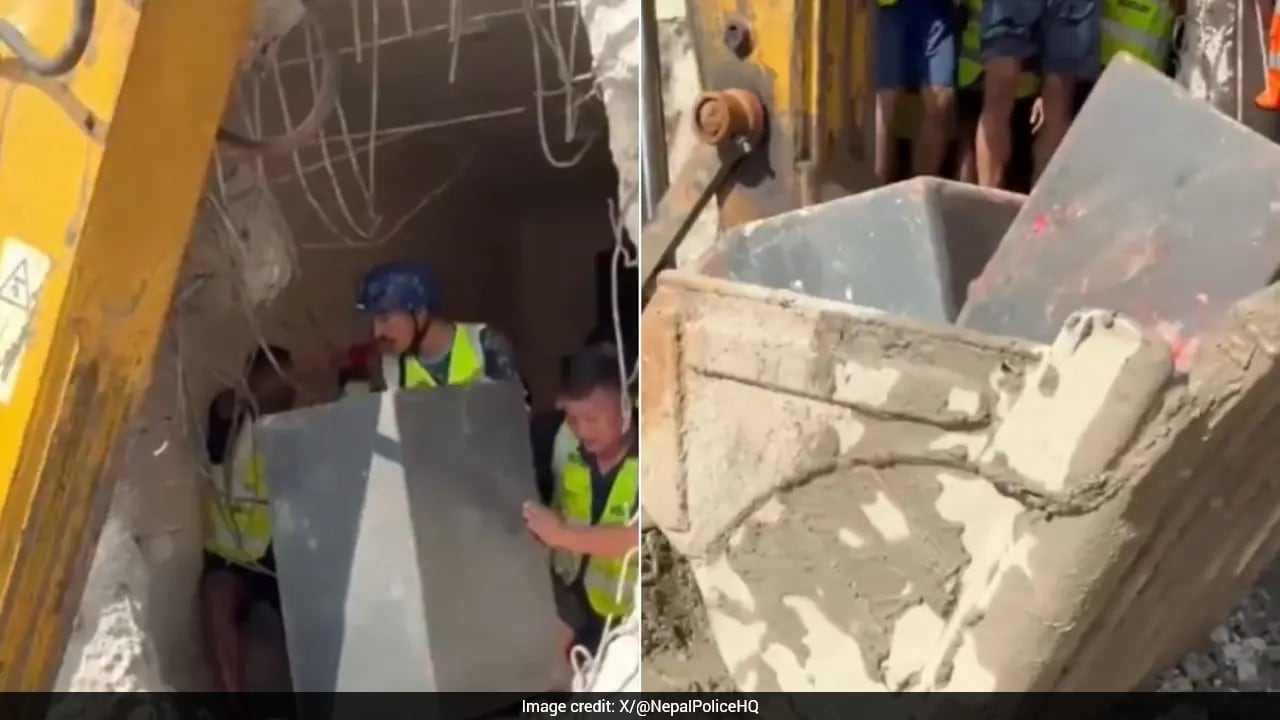
Let those numbers settle for a moment. In dry economic reports, Rs 51 crore is a statistic—a neat entry in a ledger, a line item in a quarterly compliance update. But when translated into physical currency and gleaming gold pulled from the belly of a regional bank, it assumes an entirely different character. It becomes heavy. It takes dozens of hands, heavy-duty crates, and meticulous tallying sheets just to move it from the vault into the custody of the law.
Why does a bank hold this much physical weight in reserve while the surrounding community wonders about the security of their own modest savings?
To understand the tension inside that Trishuli bank, we have to look past the dramatic imagery of flashing sirens and yellow police tape. We have to look at the fragile machinery of trust. Money is an illusion built on confidence. When a person hands hard-earned currency to a teller, they are buying a promise. They are purchasing the collective belief that the institution holding their paper will honor its worth tomorrow, next month, and twenty years down the line.
When law enforcement steps in to secure cash and gold of this magnitude, that fragile illusion fractures.
Think of it like a bridge built across a fast-moving Himalayan river. Day after day, trucks cross it, pedestrians walk it, and children play near its pylons. Everyone trusts the engineering because the concrete looks solid. But underneath, hidden beneath the surface of the rushing water, micro-fractures can spread quietly. The pillars shift. The foundation silently gives way. Nobody notices the disaster unfolding below until an inspector arrives, hammers a steel rod into the pier, and declares the entire structure unsafe for passage.
The raid in Trishuli was that inspection hammer.
Operational details trickling out from investigators paint a picture of meticulous coordination. This was not a chaotic smash-and-grab by masked outsiders. This was an intervention rooted in regulatory oversight, suspicious transactions, and financial anomalies that forced the hands of authorities. Nepal Police moved in because the balance sheets did not match the reality on the ground, leaving regulatory bodies with no choice but to step behind the counter and take physical control of the assets.
Gold does not lie. Paper currency, when tracked across complex ledgers, eventually leaves a trail of breadcrumbs that even the cleverest accountants struggle to sweep under the rug.
Imagine standing in that vault as the inventory proceeds. Every brick of gold is weighed, logged, and serial-numbered. Every bundle of high-denomination bank notes is banded and stacked into transport cases. The physical exertion alone is staggering, but the psychological weight is far heavier. Every stacked crore represents a story. Some are legitimate commercial reserves meant to stabilize regional liquidity. Others point toward darker channels—undeclared reserves, protective hoarding, or desperate liquidity management designed to mask deeper institutional rot.
Trust is easy to manufacture in a glossy brochure. It is infinitely harder to maintain when the auditors demand to see the actual vault contents, down to the very last gram.
Financial systems across South Asia and beyond live on a knife-edge between modernization and traditional, cash-heavy habits. While digital payments surge in metropolitan hubs like Kathmandu, regional outposts still rely heavily on the reassuring, tactile weight of physical wealth. Cash remains king in the hills and valleys, but that very preference creates vulnerability. When cash and gold sit pooled in regional branches without transparent, unimpeachable oversight, they become magnets for systemic risk.
The intervention in Trishuli serves as a stark reminder of what happens when the invisible safety net frays beyond repair.
Consider the customer walking down the street outside the barricaded bank doors. They do not care about monetary policy frameworks or reserve ratio requirements. They care about their son's school fees. They care about their grandmother's medical bills. They care about the small savings account they spent a decade building, rupee by rupee, through grueling labor in the fields or remittances sent home from abroad.
When an institution fails them, the betrayal is intensely personal.
The police action was not merely a seizure of property. It was an extraction of risk. By taking control of over Rs 51 crore in cash and gold, the authorities placed a hard stop on a deteriorating situation, preventing a potential run on deposits or a silent draining of assets that would have hit the most vulnerable citizens hardest.
It is a messy business, protecting a financial system from itself. It requires stepping into dusty back rooms, cutting through administrative red tape, and confronting powerful entities with cold, unyielding accountability.
As the transport vehicles pulled away from the Trishuli branch under heavy guard, the dust settled on the gravel driveway. The building stood quiet once more. But the silence now was different. It was no longer the quiet of a hidden vault keeping secrets behind thick steel doors. It was the stark, echoing quiet of a truth finally brought out into the harsh light of day.
