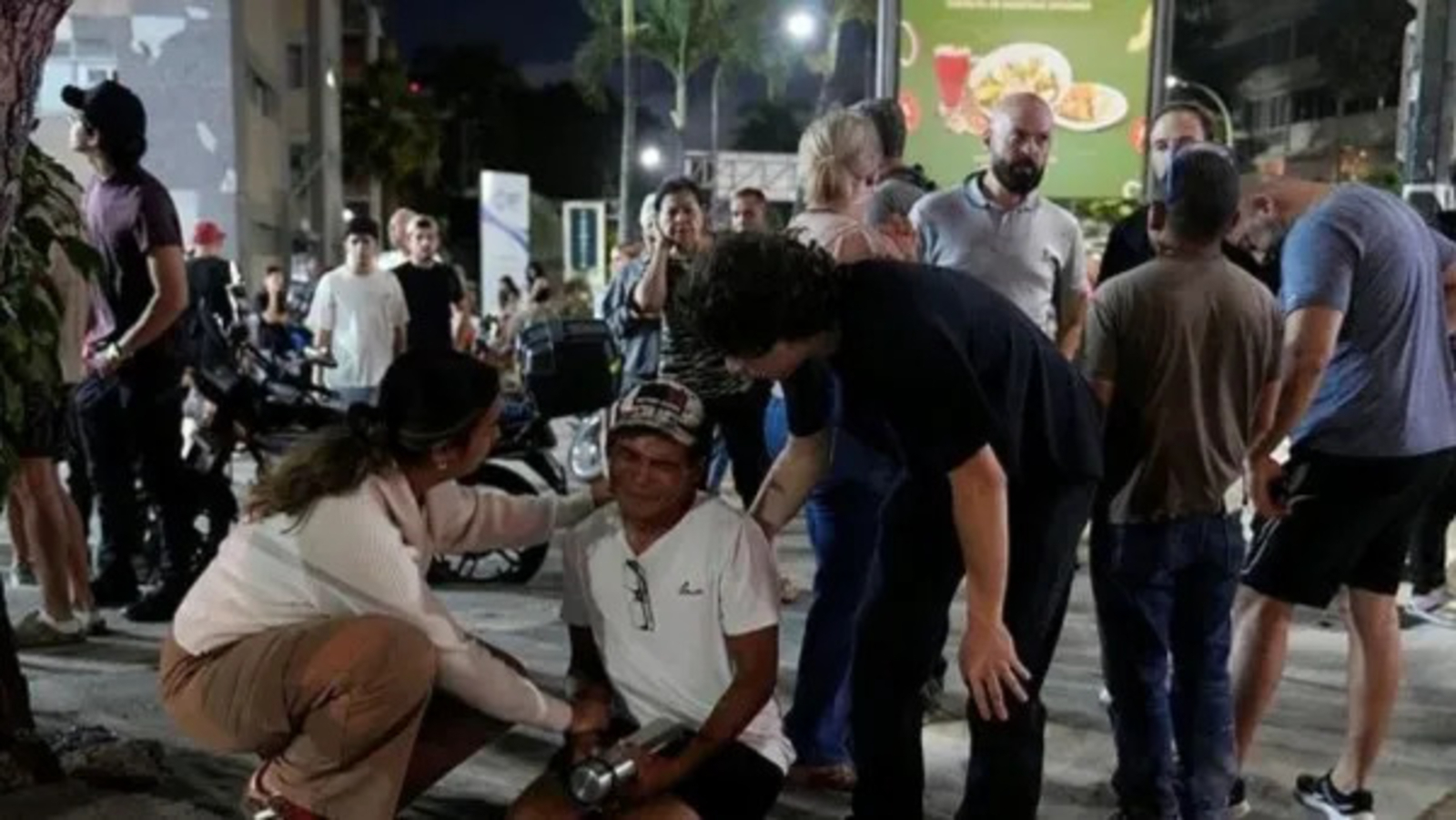
When the earth ripped open along Venezuela’s northern coastline, it did not just shake buildings down. It fundamentally fractured an already broken system. It has been over a week since the twin earthquakes—clinging to nightmare magnitudes of 7.2 and 7.5—hit northern Venezuela just 40 seconds apart. Now, the official grim reality is setting in. The Associated Press reports that the death toll has surged past 2,200 people. Over 11,000 are injured, and tens of thousands remain missing.
Most international headlines focus purely on the ticking number of fatalities. That is a mistake. It misses the real story of what happens when a massive natural disaster collides with a decade of severe economic decay.
The emergency response has officially turned from a frantic search for the living to a grim recovery of the dead. Local authorities admit that hopes of finding survivors beneath the concrete slabs are mostly gone. Yes, there are miracle stories keeping spirits afloat, like a Jordanian rescue team pulling a three-year-old boy alive from the debris after six days. But those moments are rare exceptions now. The hard truth is that the country is utterly unequipped for the scale of this aftermath.
The Infrastructure Trap
Emergency crews are not just fighting the clock. They are fighting the roads, the power grid, and the very hospitals meant to save lives. Before the June 24 disaster, Venezuela was already wrestling with a deeply fragile humanitarian situation, leaving millions in need of basic aid. You can't just drop a massive logistical rescue operation into an environment where the basic systems were already failing.
The United Nations Development Programme estimates direct physical damage between $4.7 billion and $8.7 billion. That is roughly 6% of the entire country's GDP gone in under a minute.
Look at Simon Bolivar International Airport. The runway took heavy damage, meaning specialized international rescue teams couldn't land immediately when every single second counted. Bridges collapsed, like the one connecting Caraballeda to the rest of La Guaira state. This effectively turned heavily populated communities into isolated islands. International teams, like the Mexican rescue brigade Topos Azteca, have arrived to help, but getting their equipment through broken roads is a logistical nightmare.
Hospitals and Morgues Are Past the Breaking Point
The pressure on local healthcare is terrifying. If you visit a hospital in the disaster zone right now, you won't find a functioning emergency room. You will find a triage center running out of basic bandages, antibiotics, and clean water. The World Health Organization warns that an escalating public health crisis is brewing because of these severe medical shortages.
It gets worse. The New York Times reported that regional morgues have exceeded capacity. Authorities are forced to set up temporary refrigerated containers just to store and identify bodies. It is a level of institutional strain that would crush a wealthy country, let alone one that has been financially bleeding for years.
What Needs to Change Right Now
The old playbook for disaster relief will not work here. Sending money to central entities often gets bogged down in bureaucratic gridlock. To actually help, international aid organizations must pivot their strategies immediately.
- Focus on local, independent networks. Ground operations thrive when they bypass heavy central bureaucracy and feed supplies directly to localized volunteer networks and international NGOs already operating inside Venezuelan communities.
- Prioritize water purification and field medical units. The immediate threat is no longer just trapped limbs. It is cholera, infected wounds, and dehydration. Field hospitals must be self-sustaining and bring their own power generators.
- Fix the entry bottlenecks. Air bridges and sea routes directly into minor ports near La Guaira need clearing so that heavy machinery from international donors can actually reach the collapsed structures.
The focus is shifting away from the rubble. The real battle is preventing the death toll from doubling due to a completely predictable wave of secondary infections and medical neglect.