The fever begins with a subtle ache behind the eyes. Within hours, it feels as if every bone in your body is cracking from the inside. They call dengue "breakbone fever" for a reason.
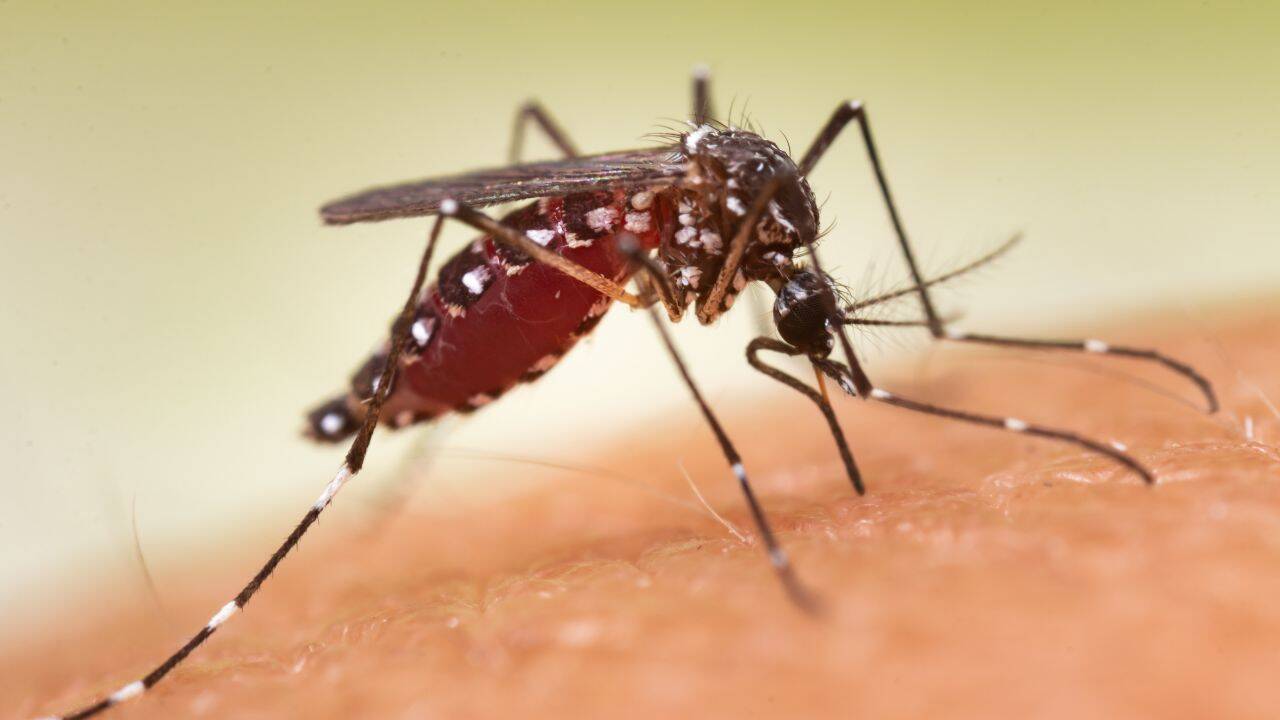
In the monsoon-drenched suburbs of Colombo, the enemy is smaller than a fingernail, lighter than a drop of rain, and silent until it strikes. The Aedes aegypti mosquito does not hum loudly like its country cousins. It hunts in the daytime, lurking under kitchen tables, inside discarded plastic containers, and in the stagnant gutters lining urban neighborhoods.
When case numbers surged across Sri Lanka, public health workers faced a brutal physical wall. Inspectors on foot could check ground-level courtyards, but they could not peer onto elevated rooftops, abandoned high-rises, or hidden drainage basins clogged with rainwater. The vectors were multiplying in spaces humans simply could not see.
That is when the military stepped into the sky.
The View From One Hundred Feet
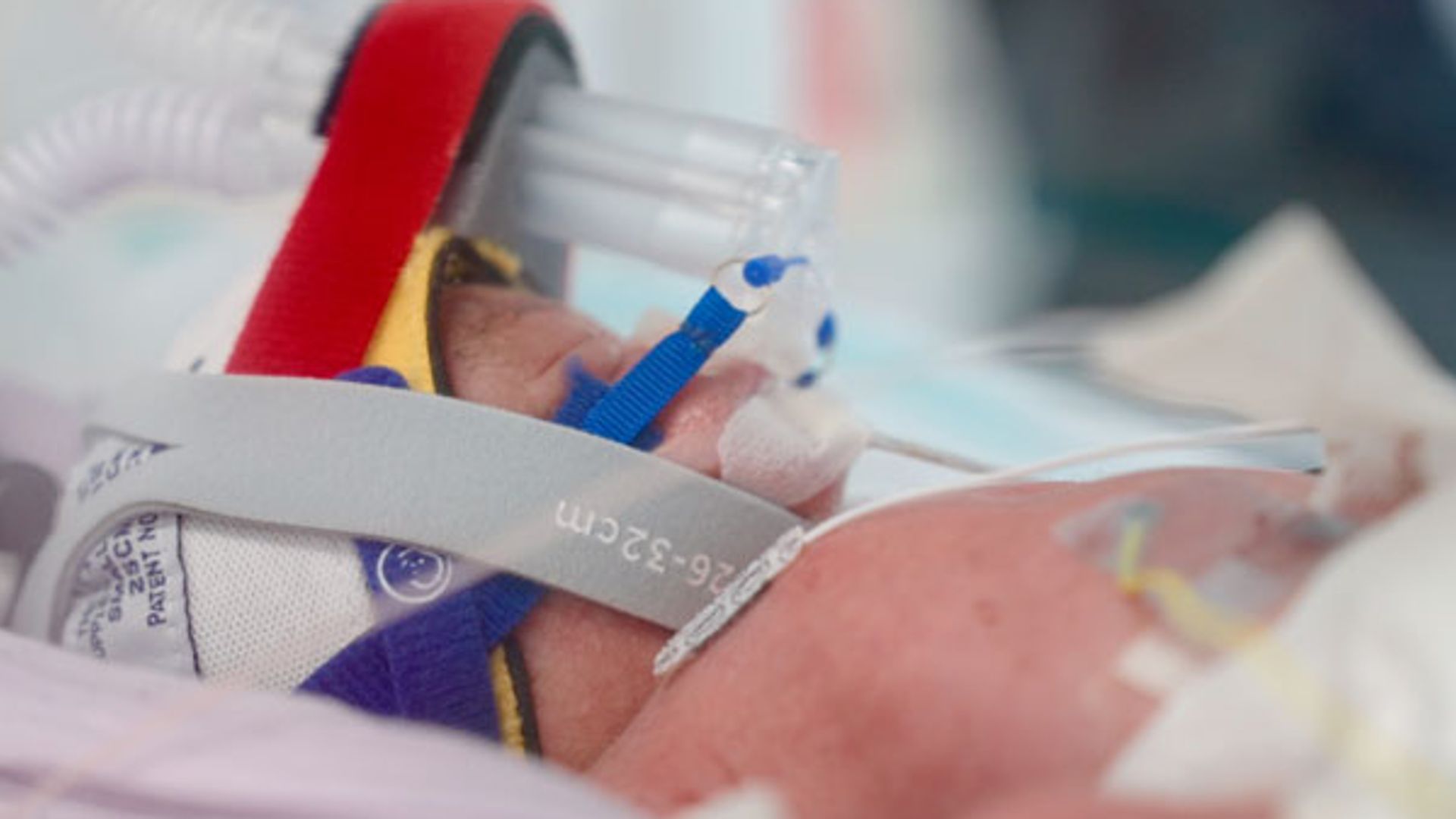
Imagine a young mother sitting beside a metal hospital bed in Gampaha, fanning her six-year-old child as his body shivers under thick blankets. Outside the window, the humidity hangs heavy. Every puddle in the courtyard feels like a ticking time bomb.
A low, mechanical buzz cuts through the humid morning air.
High above the palm canopy, a sleek Air Force drone hovers over a sprawling neighborhood. Equipped with high-resolution cameras, the aerial vehicle sweeps over thousands of residential structures in minutes. Where a team of public health officers would take three days to inspect a single square kilometer of dense urban housing, the drone covers it before breakfast.
The goal is deceptively simple: find the hidden water.
A forgotten clogged gutter on a three-story roof. An unsealed water tank atop a half-constructed building. A discarded tire lodged in the fork of a tree. To a mosquito, these tiny pockets of clean, standing water are ideal nurseries. To human eyes on the ground, they are invisible. To a drone's lens, they appear in crisp, indisputable detail.
Turning Data Into Action
Finding the breeding sites is only half the battle. Information without swift action is useless in an epidemic where mosquito larvae mature into biting adults in less than a week.
Once the high-altitude sensors flag suspected breeding sites, the data feeds directly into local health command centers. Teams on foot—comprising health inspectors, local council workers, and military personnel—are dispatched directly to the exact GPS coordinates.
Instead of knocking on every door down a three-mile stretch, health crews walk straight to the house with the contaminated roof basin. They hand the homeowner a printout or a screen showing the standing pool above their heads.
The reaction is usually total surprise. Most residents have no idea their homes are harboring thousands of potential vectors. The inspection process shifts from an invasive neighborhood sweep into a targeted surgical intervention.
Where access is impossible or structural hazards prevent humans from climbing up, specialized spraying drones take over. Dropping down to lower altitudes, these machines deploy precise mistings of larvicide directly into inaccessible pools, killing the larvae long before they take flight.
The Hidden Math of Prevention
Public health is a game of probability. You do not need to exterminate every single mosquito in an entire province to stop an epidemic. You only need to drop the vector population below a critical threshold—the tipping point where one infected person is no longer likely to pass the virus to another.
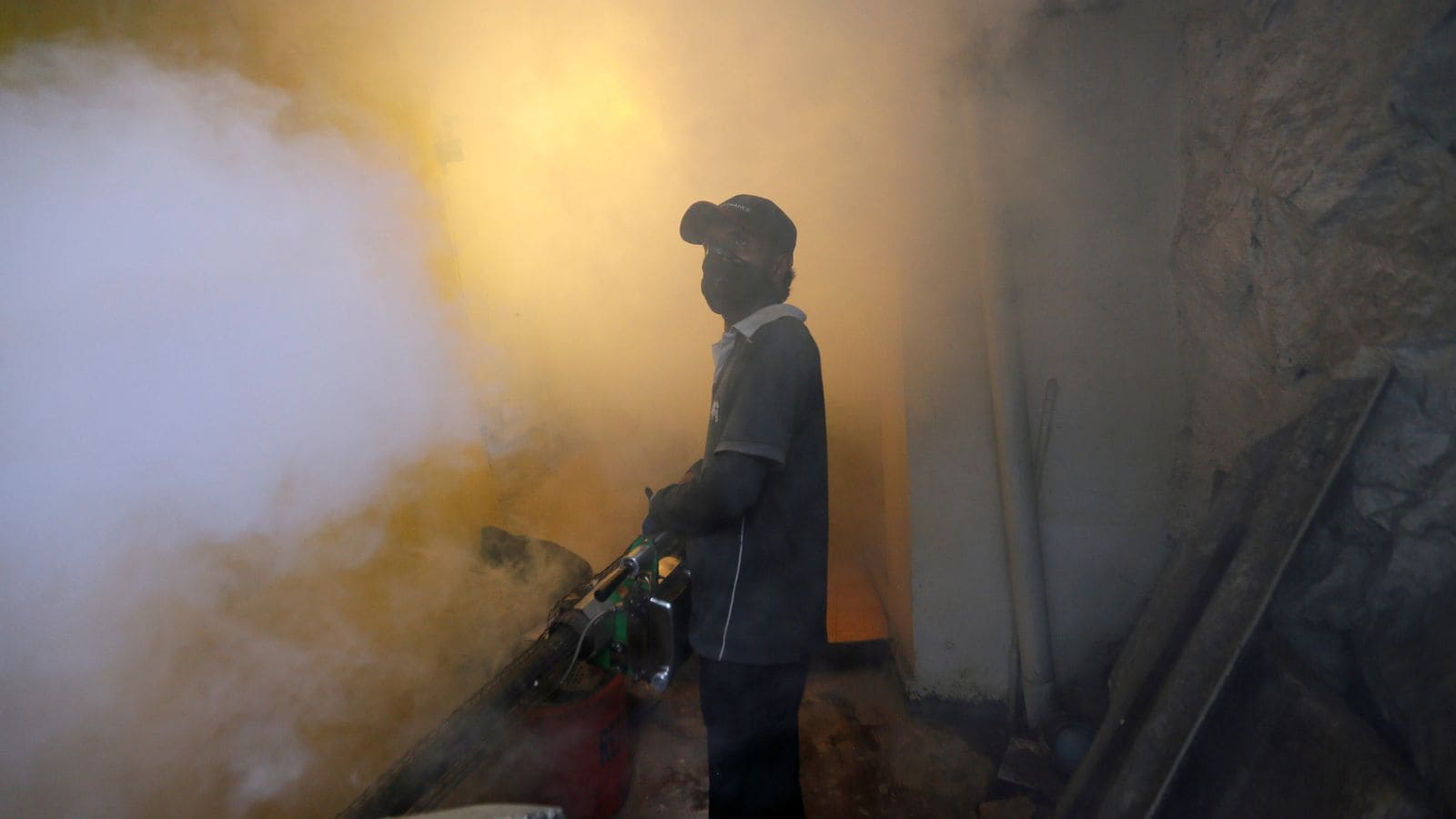
Traditional fogging operations—the trucks driving down streets blasting thick white chemical smoke—are mostly psychological comfort. They kill a small percentage of flying adults, but leave the millions of larvae resting safely in overhead water tanks completely untouched. Two days later, the swarm returns.
Targeting the larvae from above attacks the root of the crisis. By destroying breeding sites before the insects mature, health authorities break the cycle of transmission at a fraction of the cost of long-term medical hospitalizations.
A single day in an intensive care unit costs public health systems hundreds of dollars. A single drone flight costs pennies in electricity and maintenance.
The Fear of the Unknown
Technological interventions in public health often trigger anxiety. When military aircraft begin flying low over residential homes, panic can spread faster than the virus itself.
Sri Lankan authorities had to navigate this carefully. Public announcements broadcasted through local news and community loudspeakers explained the mission: these eyes in the sky were not monitoring citizens, but searching for stagnant water to protect families from a debilitating disease.
When people realized the drones were protecting their children from hospital wards, resistance dissolved into cooperation. Neighbors began pointing out nearby abandoned properties, asking operators to send the drones to check roofs they suspect had been gathering water for months.
A Quiet Shift in the Air
Back in the hospital ward in Gampaha, the young boy's fever finally breaks. His mother presses a cool cloth to his forehead as his breathing slows into deep, restorative sleep.
Outside, the drone completes its sweep and turns back toward the base.
The fight against vector-borne disease will never be won with a single dramatic victory. It is an endless series of micro-battles fought in rain gutters, coconut shells, and forgotten buckets. But for the first time, those fighting on the ground are no longer blind to what lurks above them.