Diplomacy is a messy business, especially when the people at the table don't have total control over the guys with the guns. Right now, in Washington D.C., we're seeing something that hasn't happened in decades: high-level Lebanese and Israeli officials sitting in the same room. U.S. Secretary of State Marco Rubio is playing the host, trying to turn a brutal border war into a historic peace deal. But while the coffee is being poured in D.C., the missiles are still flying over the Blue Line.
If you're looking for a quick ceasefire, don't hold your breath. Israel just issued a fresh warning for residents south of the Zahrani River to get out immediately. That tells you everything you need to know about the current "peace process." One side is talking about a long-term vision for a delineated border, while the other is expanding its ground operations in Bint Jbeil. Recently making headlines recently: The Night the Phone Didn't Ring in Tehran.
The Disconnect Between Washington and the Border
Tuesday's meeting at the State Department was objectively historic. For the first time since the early 90s, the Lebanese Ambassador, Nada Hamadeh Moawad, and her Israeli counterpart, Yechiel Leiter, sat down to discuss "direct negotiations." Rubio called it a milestone.
But here's the reality: the Lebanese government doesn't speak for Hezbollah. And Hezbollah is the one doing the fighting. While Ambassador Hamadeh was calling for a ceasefire to ease the humanitarian crisis—over a million people are displaced—Hezbollah’s Naim Qassem was on the airwaves calling the talks "futile" and "surrender." Further insights regarding the matter are detailed by The Washington Post.
Israel isn't waiting for a diplomatic breakthrough to secure its northern communities. Prime Minister Netanyahu has been blunt. He’s open to talking to the Lebanese government about disarming Hezbollah, but he’s not stopping the strikes until that happens. It’s a classic "chicken and egg" problem. Lebanon wants a ceasefire before they talk about disarmament; Israel wants the disarmament to be the reason for the ceasefire.
Why This Time Might Actually Be Different
I've seen plenty of these "peace initiatives" fall apart, but there are a few factors that make 2026 feel different. For one, the Lebanese state is desperate. President Joseph Aoun has been more vocal than his predecessors about the need for the Lebanese Armed Forces (LAF) to take back control from non-state militias.
- The Iranian Factor: With the U.S.-Israel-Iran conflict reaching a fever pitch and a naval blockade in the Strait of Hormuz, Hezbollah's main patron is a bit distracted.
- A Shift in Beirut: There’s a growing sentiment in Lebanon—honestly, it’s louder than I’ve ever heard it—that Hezbollah's "resistance" is dragging the country into a grave it can't climb out of.
- Israel's Buffer Zone: Israel isn't just hitting targets and leaving. They're establishing a physical buffer zone 5 to 8 miles deep into southern Lebanon. They’re building infrastructure. They aren't planning on moving until they see a Lebanese army capable of keeping Hezbollah away from the fence.
The Humanitarian Price of Stalled Diplomacy
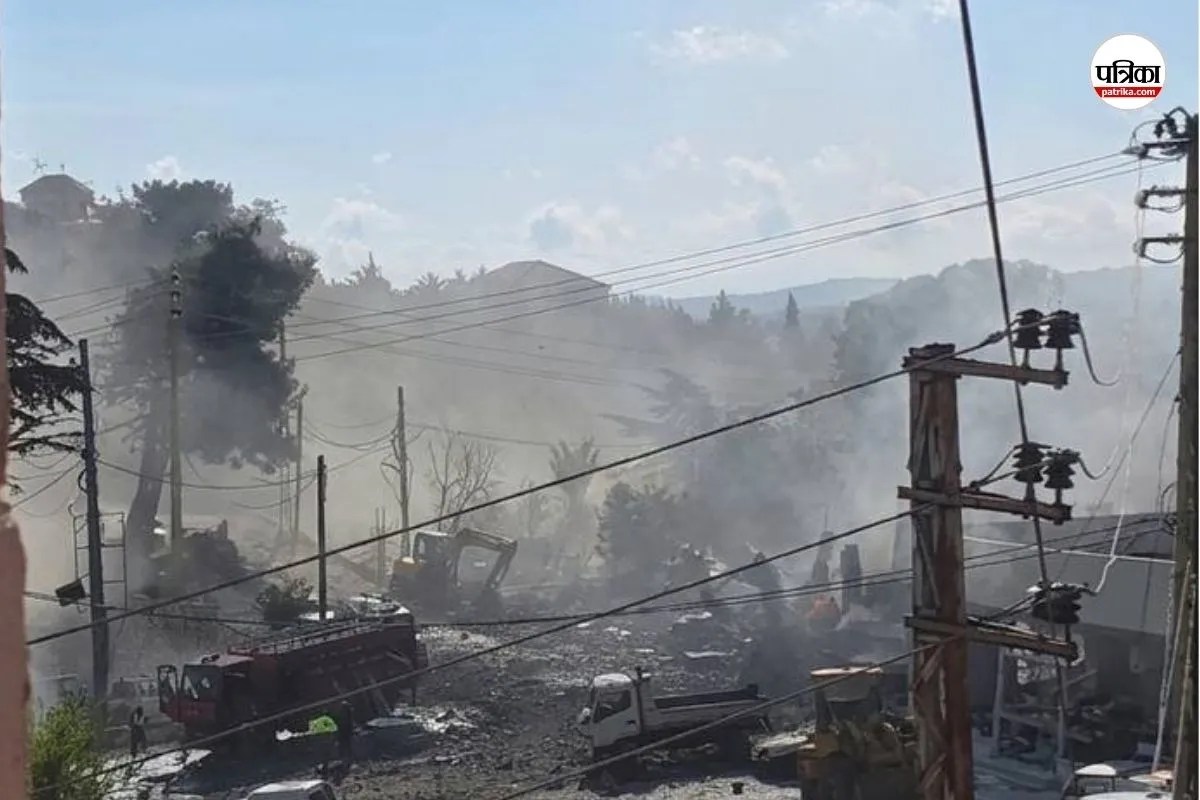
While the suits in D.C. argue over the phrasing of a joint statement, the situation on the ground is grim. Since early March 2026, the death toll in Lebanon has climbed past 2,100. Over 80 towns in the south are ghosts of what they used to be.
Israel's latest evacuation orders aren't just a suggestion. They usually precede a massive wave of airstrikes. Last week, we saw 100 targets hit in just ten minutes. That kind of intensity isn't a "warning shot." It's an attempt to dismantle decades of Hezbollah infrastructure in a matter of weeks.
What Needs to Happen Next
If this Washington track is going to survive the week, both sides have to give up on their "all or nothing" demands.
- A Phased Drawdown: Instead of a total ceasefire, negotiators are looking at "restrained operations." Israel might agree to pause strikes in specific areas if the LAF actually moves in to seize weapons.
- Bolstering the LAF: The U.S. is pushing a plan to fund the Lebanese Army directly. The catch? If they don't act against Hezbollah, the money disappears. It's a high-stakes bribe for sovereignty.
- Sanctions on the Enablers: Washington is eyeing financial sanctions on political figures like Nabih Berri to pressure them into cutting ties with Hezbollah.
Don't expect the fighting to stop tomorrow. Israel is committed to its "buffer zone" strategy, and Hezbollah is committed to its "war of attrition." The talks in Washington are a start, but the real deal will be written in the dirt of southern Lebanon, not in a conference room at the State Department. If you're in the south, keep your bags packed. The diplomatic "success" the politicians are talking about hasn't reached the border yet.