Total solar eclipses ruin ordinary vacations. You think you are booking a nice European getaway to a quiet coastal village or a historic inland city, and then millions of strangers show up with specialized glasses taped to their faces. Traffic stops. Hotels cost triple. Local bakeries run out of bread by nine in the morning.
I learned this the hard way during past celestial events, watching tiny municipalities turn into temporary megacities overnight. Most travel guides tell you to book early and pack sunscreen. They miss the real chaos. When the shadow of the moon races across the continent at supersonic speeds, it triggers a massive human migration that defies standard logistics.
Let's talk about what actually happens when millions of people flood European eclipse viewing spots, why quiet towns completely transform, and how you can experience the spectacle without losing your sanity.
The Cruise Ship Paradox
Floating hotels change the geography of an eclipse entirely. When coastal towns panic about accommodation shortages, cruise lines simply sail their massive floating cities right into the path of totality.
Thousands of passengers watch the sky from the top deck of a liner anchored off a rugged coastline. It sounds like the ultimate cheat code. You skip the highway gridlock, the booked-out Airbnbs, and the rental car shortages. You get a floating balcony with an unobstructed view of the horizon.
Except you share that deck with three thousand other people. The moment totality hits, cheers echo across the water, clinking champagne glasses drown out the eerie silence of the dropping temperature, and the intimate magic of the cosmos feels oddly corporate.
Ports that normally see a sleepy fishing boat or two suddenly host vessels longer than skyscrapers. Local infrastructure buckles under the weight of thousands of day-trippers stepping off gangways simultaneously. If you choose the cruise route, you trade traffic jams for nautical crowds. Both come with a heavy price tag.
How Quiet Towns Break Under Pressure
Europe is full of medieval hamlets and pastoral villages that look like time capsules. They feature narrow cobblestone streets, single-lane bridges, and populations hovering around four hundred residents.
Drop a major celestial alignment right over one of these places, and physics takes over.
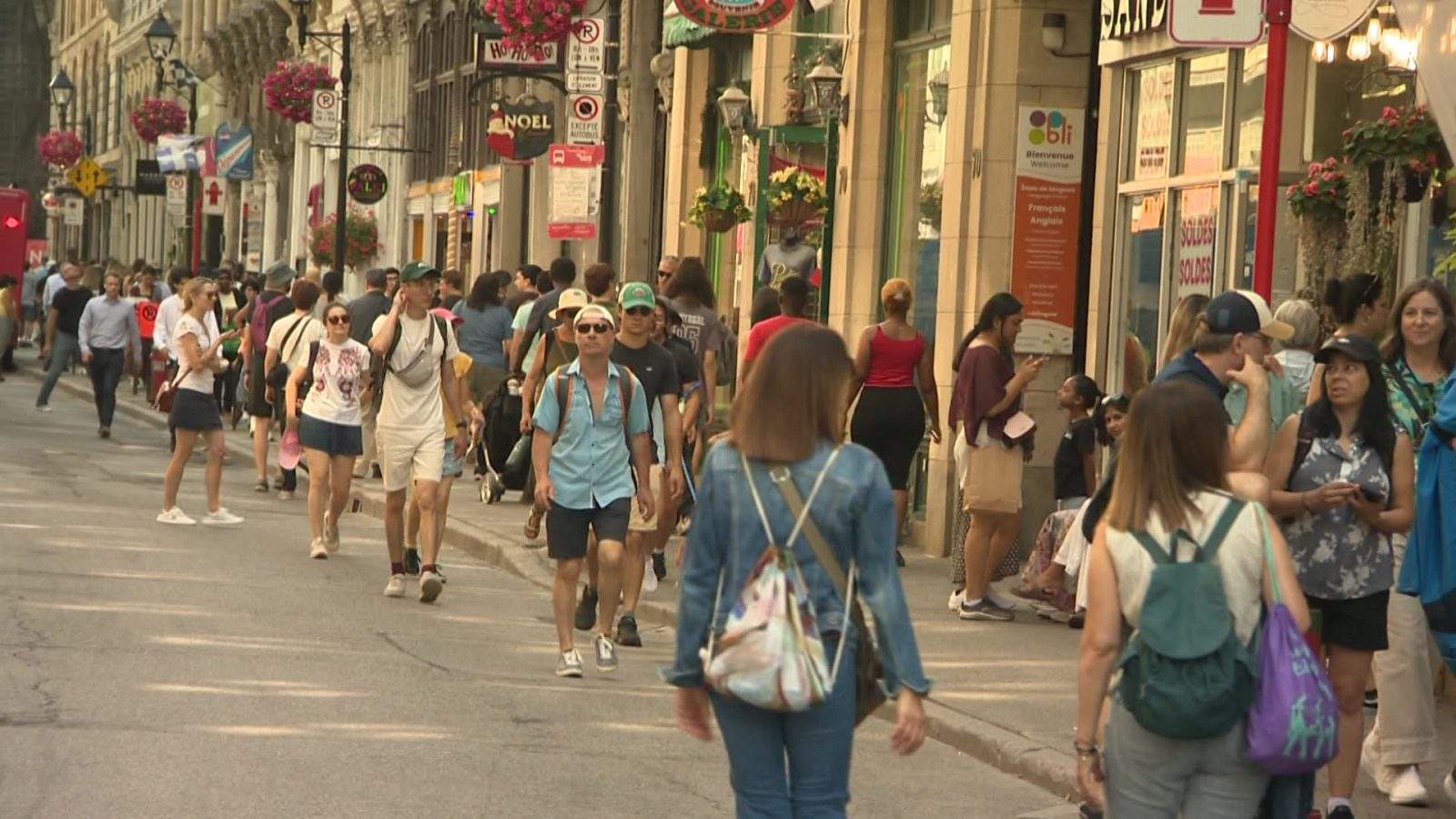
When millions of eclipse chasers fan out across rural regions, local roads simply clog. A twenty-minute drive to the grocery store turns into a four-hour parking lot situation. Municipal water supplies face unexpected strain. Cell towers overloaded with tourists streaming photos of the partial phases crash completely, leaving you unable to check maps or coordinate with friends.
Locals usually react in one of two ways. Some lock their doors, stock up on groceries like a blizzard is coming, and watch the madness from their living room windows. Others turn front lawns into makeshift parking lots charging fifty euros a spot, or set up folding tables selling lukewarm coffee and homemade pastries.
I remember standing in a town square where the local bakery, overwhelmed by a line stretching down the medieval alleyway, simply started handing out warm croissants for free just to clear the queue and watch the sky. That is the human side of the migration. You see hospitality pushed to its absolute limits.
The Rise of the All Day Festival
Europeans don't just stand in a field for two minutes and go home. They build entire cultural events around the phenomenon.
Across viewing corridors, municipalities sponsor all-day festivals that blend astronomy with local food, electronic music, and historical reenactments. You find yourself eating regional cheese while listening to ambient synth music designed to match the eerie drop in light.
These festivals serve a practical purpose. They keep crowds concentrated in designated areas instead of wandering onto private farmland or blocking emergency vehicle routes. They turn a brief astronomical event into a cultural happening.
The downside? The noise. If you want that profound, silent communion with the cosmos where birds stop singing and the horizon turns a strange twilight orange, a booming festival field a hundred meters away might not fit your vibe. You have to choose between community celebration and lonely contemplation.
Managing the Logistics Nightmare
If you want to witness a European eclipse without crying in a rental car, you have to ignore standard tourism advice.
Do not book a hotel directly in the center of the totality path unless you enjoy paying peak season prices for economy motels. Stay an hour or two outside the centerline. You can easily drive in early on the morning of the event, park legally in a designated secondary zone, and walk to an open field.
Pack your own food and water. Seriously. When local convenience stores sell out of bottled water by noon, you will regret relying on local commerce. Bring cash because card readers fail when cellular networks overload.
Watch the weather forecasts obsessively, but do not panic-buy plane tickets to a new country forty-eight hours before the event just because of a cloud prediction. Micro-climates matter. A valley might stay socked in with fog while a ridge three kilometers away offers crystal-clear skies. Mobility matters more than a fixed luxury reservation.
Rent a small car or use regional trains. Massive tour buses get trapped in the exact same traffic bottlenecks as everyone else, but a compact vehicle can sometimes slip down farm tracks and secondary roads that map apps refuse to recognize.
The Reality of the Two-Minute Window
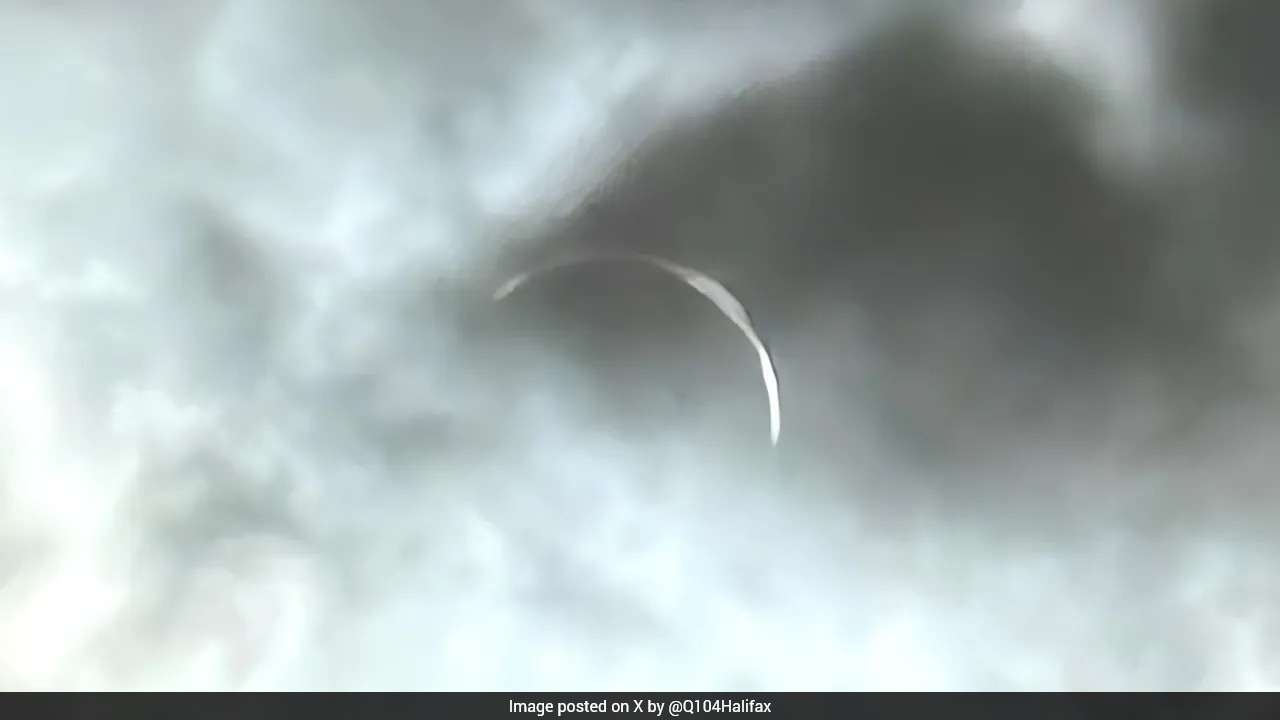
Totality ends fast. You wait months or years, travel hundreds of miles, deal with inflated prices, dodge crowds, and sweat out the cloud cover. Then the moon slides across the sun, the corona flares into view, the temperature drops, stars pop out in the daytime sky, and your brain short-circuits.
And then, just like that, a blinding flash of diamond-ring light hits your eyes. The glasses go back on. The traffic starts honking.
Was it worth the chaos? Absolutely. But only if you accept the chaos as part of the adventure. The crowds, the jammed highways, the tiny towns bursting at the seams—they are all symptoms of humanity stopping in unison to look up.
Pick your spot carefully. Keep your expectations grounded. And make sure you look away from your camera screen long enough to actually see the sky go dark.