The air in the Situation Room doesn't circulate like the air in a normal office. It feels heavy, filtered, and ancient. It is a room where the geography of the world is reduced to glowing pixels on a wall-sized monitor, where a centimeter of digital screen represents a thousand miles of desert, sea, and human lives. When a President speaks about "unprecedented force," those pixels don’t just blink. They vibrate with the kinetic potential of a million moving parts.
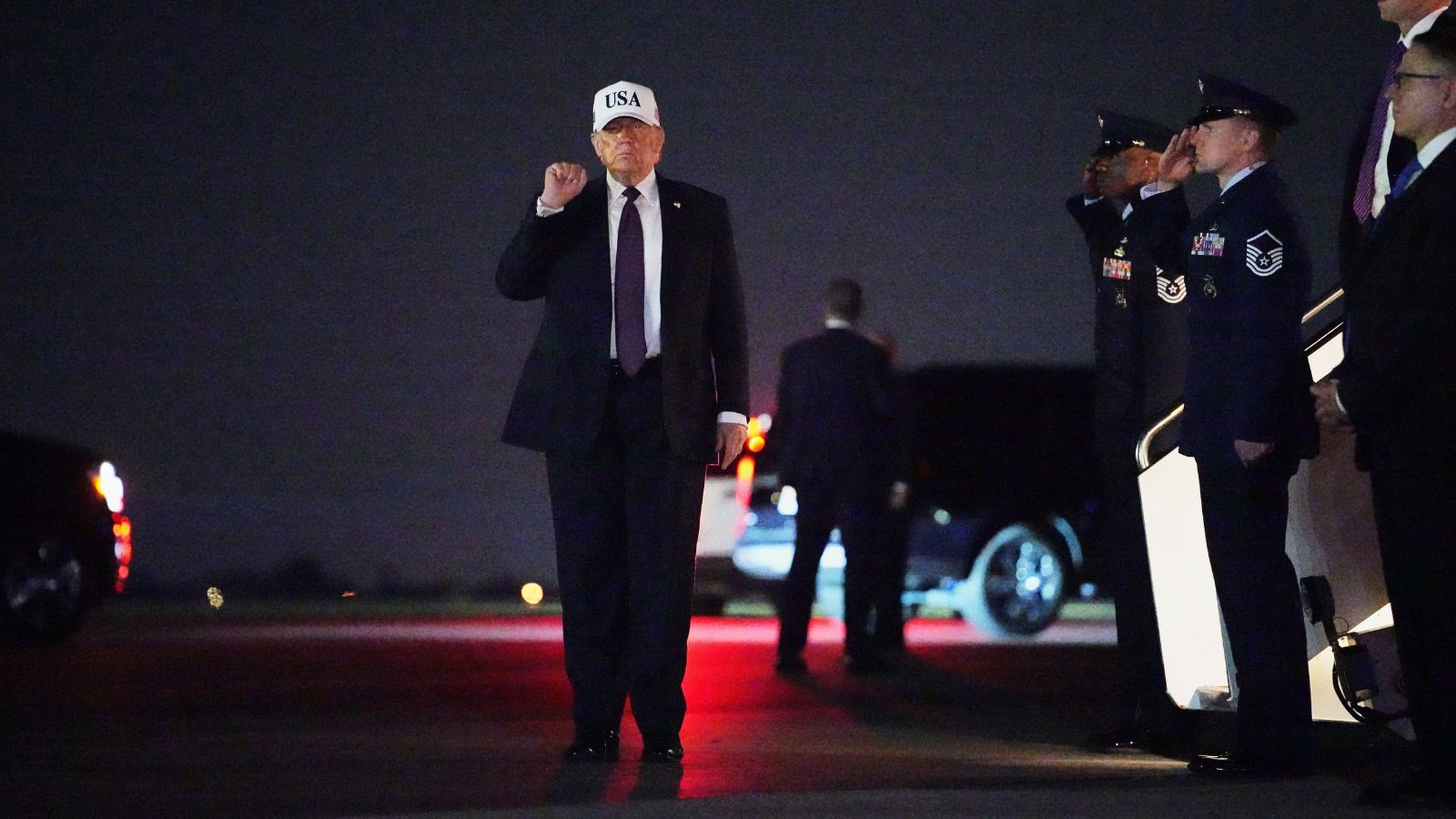
Donald Trump has always understood the theater of power. He treats the global stage not as a delicate chessboard of grand strategy, but as a high-stakes negotiation table where the loudest voice often dictates the terms of the silence that follows. His latest warning to Tehran isn't merely a policy shift; it is a primal scream across the water, an ultimatum wrapped in the flag of American military might. If Iran retaliates for past grievances, the response will be, in his words, something the world has never seen.
But look past the podium. Forget the teleprompter for a moment and consider the person sitting in a small cafe in Isfahan, or a sailor on a destroyer in the Strait of Hormuz. For them, these words aren't headlines. They are the atmospheric pressure that dictates whether they sleep soundly or keep their boots laced by the bed.
The Mechanics of the Threat
War is often discussed in the abstract, using sanitized terms like "surgical strikes" or "assets." These terms are lies. They are designed to make the terrifying sound manageable. To understand the gravity of the President’s warning, we have to look at what "unprecedented" actually looks like in a modern context.
We are talking about the B-2 Spirit stealth bombers, machines that look more like alien artifacts than aircraft, capable of slipping through radar nets to deliver payloads that can erase a mountain. We are talking about cyber warfare divisions capable of turning off the lights in a city of ten million people with a single keystroke. When Trump speaks of force, he is referring to a military machine that has spent decades preparing for a conflict it hopes it never has to fight.
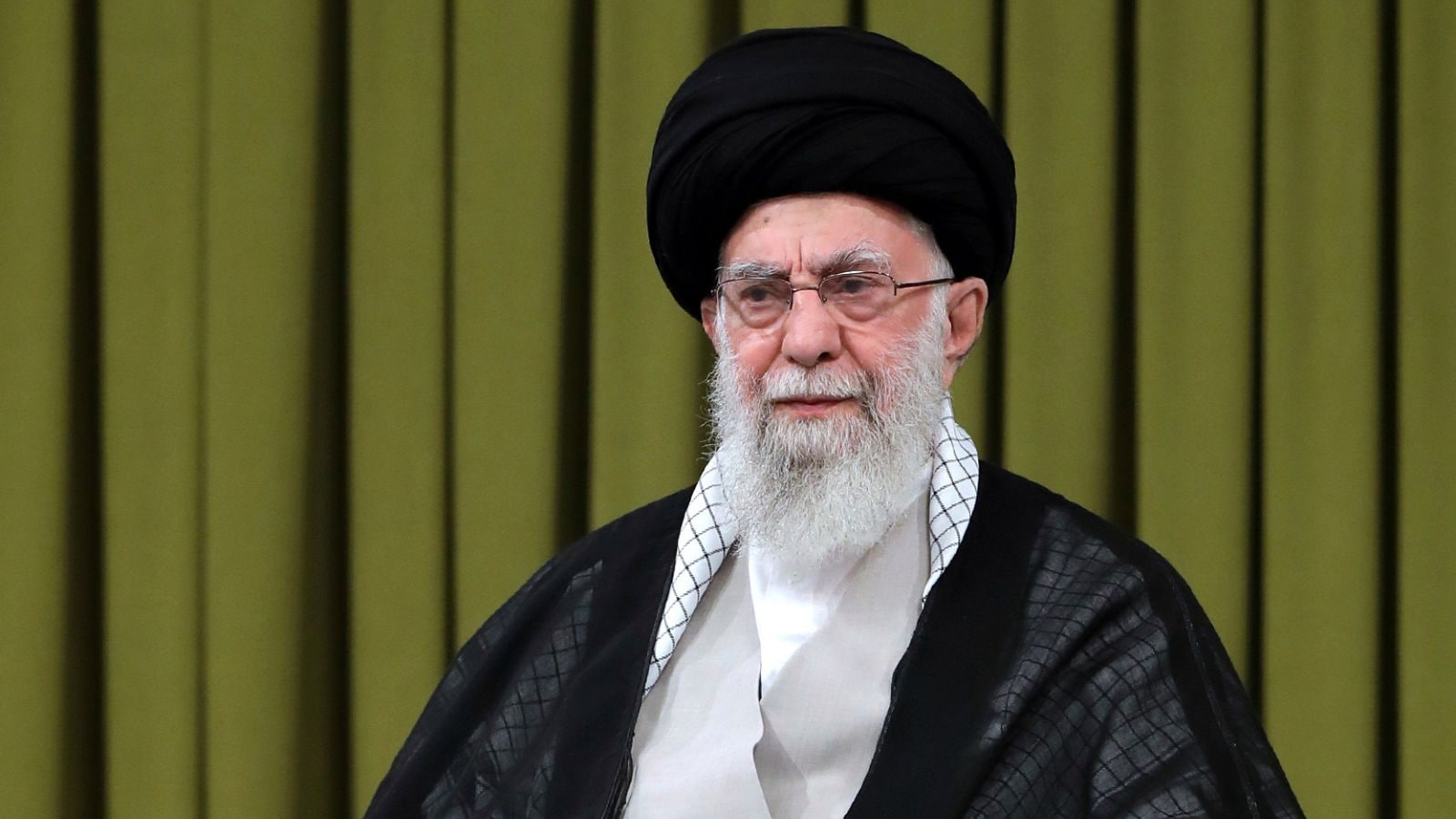
The Iranian leadership knows this. They are masters of the "shadow war," a doctrine of plausible deniability and proxy influence. They don't fight fair because they can't afford to. They use fast boats in the Strait to harass tankers; they use encrypted messages to activate militias in Iraq and Lebanon. They are the masters of the sting, while the United States is the wielder of the sledgehammer.
The tension exists in the space between the sting and the hammer.
A Tale of Two Realities
Imagine, for a moment, a hypothetical intelligence officer named Elias. He sits in a windowless room in Northern Virginia, eyes red from staring at satellite imagery of Iranian missile silos. He sees a fuel truck move. He sees a tarp pulled back. To him, these are data points. If those silos fire, his job is to coordinate the "unprecedented force" promised by his Commander-in-Chief. He feels the weight of the world on his shoulders, yet he is three thousand miles away from the heat of the blast.
Now, imagine a mother in Tehran named Fatemeh. She hears the news on a Telegram channel. She doesn't see data points. She sees her children’s school. She sees the grocery store where the shelves are already thinning due to sanctions. She hears the word "unprecedented" and wonders if it means the end of her world or just another day of fear.
The disconnect between the policy and the person is where the true tragedy of modern geopolitics lives.
The President’s strategy is rooted in "deterrence by punishment." It is a psychological gambit. By promising a level of destruction that exceeds any previous historical benchmark, he aims to freeze the opponent in their tracks. It is the schoolyard logic of the biggest kid on the playground telling everyone that if they throw a pebble, he will bring down the entire school building.
It works. Until it doesn't.
The Invisible Stakes of Retaliation
The history of the Middle East is written in the ink of "proportionality." Usually, when one side strikes, the other strikes back just enough to save face without starting a total war. It’s a dance. A deadly, cynical, choreographed dance.
Trump’s recent rhetoric seeks to break the choreography. He is stating, quite clearly, that the dance is over. If Iran strikes, there will be no "proportional" response. There will be an ending.
This shift in language changes the calculus for every general in the Iranian Revolutionary Guard Corps. They have to ask themselves: Is the President bluffing? Is this the same man who pulled back from a strike in 2019 because he felt 150 lives were too high a price for a downed drone? Or is this the man who ordered the strike on Qasem Soleimani, catching the world—and Tehran—completely off guard?
Uncertainty is a powerful weapon. But it is also a volatile one.
When the stakes are this high, a simple misunderstanding can become a catastrophe. A radar glitch, a nervous commander on a patrol boat, or a mistranslated tweet could trigger the very "unprecedented" event everyone is trying to avoid. We are living in an era where the speed of communication has outpaced the speed of diplomacy. A President can threaten a nation in 280 characters, and a military can respond in seconds.
The Ghost of 1914
Historians often look back at the start of the First World War as a series of "unfortunate escalations." No one truly wanted a global conflagration, yet they all walked into it because they felt they had no choice. Their honor, their alliances, and their rhetoric demanded it.
Today, we face a similar trap, but with the added horror of precision-guided munitions and nuclear shadows.
The U.S. military is currently a masterpiece of engineering. Its ability to project power is unmatched in human history. But power is not the same as peace. You can destroy an integrated air defense system in an afternoon, but you cannot destroy an idea with a Tomahawk missile. You cannot kill the resentment that grows in the heart of a population that feels cornered.
Look at the map. Iran is surrounded. To the west, Iraq. To the east, Afghanistan. To the south, the massive naval presence in the Gulf. From Washington’s perspective, this is a "maximum pressure" campaign designed to force a rogue regime to the table. From Tehran’s perspective, this is a suffocating noose.
When a person feels they are being strangled, they don't always act rationally. They thrash. They fight for air.
The Sound of the Silence
There is a specific kind of silence that happens right before a storm breaks. It’s a heavy, expectant quiet. That is where the world sits right now.
The President’s warnings are designed to maintain that silence through fear. He is betting that the Iranian leadership loves their hold on power more than they hate their enemies. He is betting that the "unprecedented force" he describes is a monster so terrifying that no one will dare to wake it.
But we must remember that behind every headline about "unprecedented force," there are millions of people who just want to go to work, buy bread, and see their children grow up. They are the collateral of the rhetoric. They are the ones who will pay the price if the deterrence fails and the pixels on the screen in the Situation Room start to represent fire instead of light.
The true test of a leader isn't just the ability to threaten destruction. It is the ability to navigate a path where such destruction never becomes necessary. As the words echo across the Atlantic and over the mountains of the Middle East, the world watches the flicker of the monitors.
We are all waiting to see if the rhetoric is a shield or a fuse.
The sun sets over the Persian Gulf, turning the water a deep, bruised purple. Somewhere, a young sailor looks at the horizon and wonders if tomorrow will be the day the "unprecedented" finally arrives, while the rest of the world holds its breath, hoping the silence lasts just one more night.