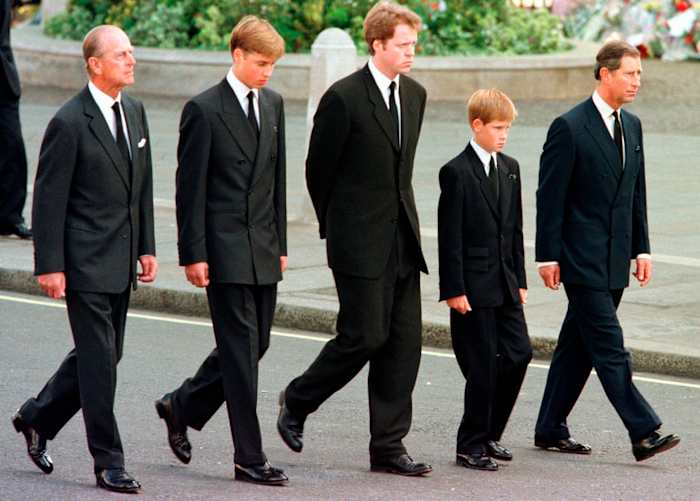
Grief does not arrive with a clean script. It hits like a physical blow, leaving survivors clutching at fragments of conversation, trying to anchor reality in rooms that suddenly feel too vast. Decades after the world stopped to watch a carriage roll through London streets, the architecture of that mourning is being excavated, brick by bitter brick.
Consider what happens when memory meets the cold machinery of statehood.
In his memoir, Swan Song, Earl Charles Spencer brings forward a startling reconstruction of the days following Princess Diana’s death in August 1997. Among the most explosive claims in the text is an account of a heated phone exchange regarding the funeral arrangements and the agonizing prospect of young Princes William and Harry walking behind their mother's coffin. According to Spencer, the then-Prince Charles unleashed pent-up frustration over the global outpouring of grief, reportedly hissing a chilling dismissal down the line: "Rest assured, we'll forget her soon enough."
It is a sentence designed to detonate. It implies a chilling detachment, a cold calculation from an institution that views human emotion as a temporary inconvenience to be managed by public relations.
Buckingham Palace did something extraordinary in response. They broke their cardinal rule. For generations, the house of Windsor operated under a strict creed of silent endurance—never complain, never explain. Yet, this allegation pierced the armor.
The Palace issued a swift, pointed rebuttal. While acknowledging their standard policy of ignoring memoirs, they stated that "His Majesty is mindful that the pain of fraternal grief can cloud reason, affect judgment and colour memory in ways others do not recognise, even many years after such a loss."
Translation: You misremember because you were broken by grief.
It is a psychological counter-punch wrapped in velvet diplomatic prose. It suggests that the passage of time does not sharpen a witness; instead, it blurs the edges, turning raw panic into manufactured malice. The statement avoids a direct denial of the exact phonetic utterance while entirely invalidating its emotional truth, echoing the famous royal defense that "recollections may vary."
Yet, Charles Spencer remains steadfast. In subsequent interviews, he insists he was hyper-alert, standing on an upstairs landing, clutching a phone receiver while the ground shifted beneath his feet. He maintains those were the exact words spoken, arguing that the Palace's unusual retaliation stems less from a defense of truth and more from the sharp sting of exposure.
Who owns the narrative of a tragedy?
When public figures die, their private agonies are instantly annexed by history. The brother who walked behind the hearse and the husband who inherited the wreckage are both trapped inside a glass box of perpetual scrutiny. Every recalled phone call becomes a weapon in an endless war of perception, fought decades after the flowers outside Kensington Palace have turned to dust.
The ghosts of 1997 do not rest easily. They linger in every published page, every carefully drafted palace press release, and every defensive interview.
Words spoken in the dark hours of national trauma refuse to stay buried, no matter how heavily the crown tries to weigh them down.