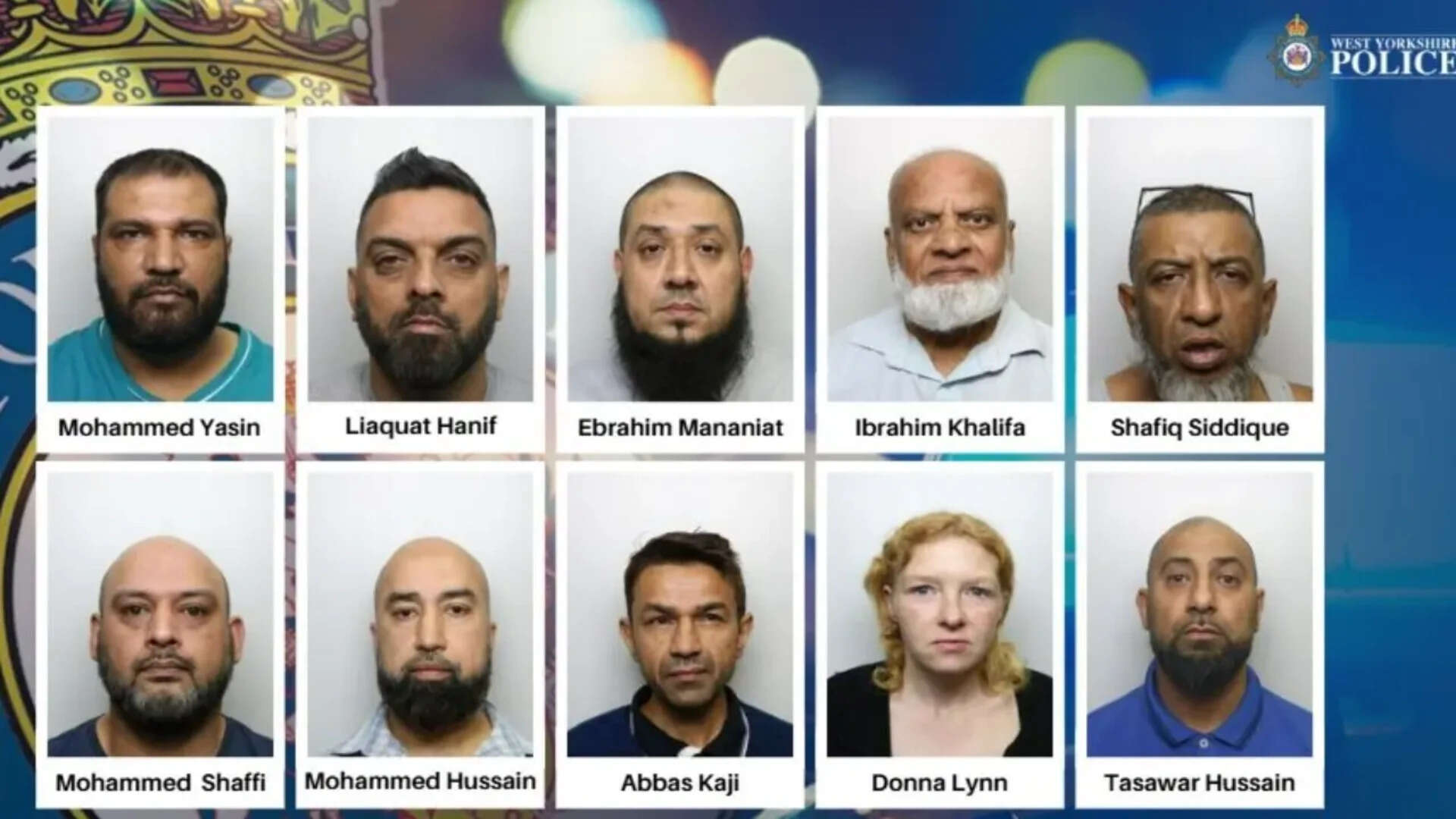
Justice arrived late in West Yorkshire. It took six separate trials spanning two years, a decades-long police investigation, and an agonizingly prolonged legal process to finally put twenty predators behind bars. The final reporting restrictions have just been lifted, revealing the sheer scale of a targeted grooming and rape operation that plagued the towns of Dewsbury and Batley between 1995 and 2003.
The numbers are staggering. Twenty people sentenced to a combined total of more than 270 years in prison. Three vulnerable victims, one just 12 years old when the abuse began, treated not as children but as disposable commodities.
But behind the massive headline numbers lies a darker truth. This case isn't just a story about depraved individuals. It's a stark reminder of an era where institutional blindness, systemic delays, and a refusal to believe vulnerable children allowed abuse to run rampant for eight solid years.
The Grim Reality of the Kirklees Predator Network
The scale of the offending exposed at Leeds Crown Court shows a highly coordinated, relentless effort to exploit young girls. The men targeted victims who faced difficult personal circumstances, using isolation, manipulation, and Class A drugs to break down their resistance.
The sentences handed down by the court reflect the extreme gravity of the crimes. Sajid Majid, 53, from Mirfield, received the longest sentence of 28 years behind bars after being convicted of five counts of rape and three of indecent assault. Manaf Hussain, 51, was handed a 25-year sentence for six offences of rape. Tariq Azam, 57, received 24 years for his role in the systematic abuse.
The network didn't just consist of men. Donna Lynn, 45, was sentenced to three years in prison for controlling prostitution, proving that the infrastructure of exploitation required active logistics to keep the operation hidden from view. Two other men were found by the court to have committed sexual offences but were ultimately judged unfit to enter pleas.
Detective Chief Inspector Rob Stevens of Kirklees District Police noted that juries had to endure two years of shocking revelations. The victims were passed around, drugged, and abused for the sexual gratification of a large, interconnected group.
The Cost of Delayed Justice
Why did it take so long? The crimes occurred between 1995 and 2003, yet the trials only took place between 2023 and 2024, with the final sentencing wraps completed recently. The victims had to carry the psychological weight of this trauma for over twenty years before seeing their abusers in handcuffs.
This extreme delay isn't an anomaly in British legal history; it’s a feature of how historic child exploitation cases are handled. When these crimes were actively happening in the late nineties, social services, local councils, and police forces across the UK frequently misclassified victims. Young girls groomed by adult men were regularly labeled as "child prostitutes" or deemed to be making "lifestyle choices." This fundamentally flawed approach shifted the blame onto the child, protecting the perpetrators from scrutiny.
The National Audit on Group-based Child Sexual Exploitation highlights that it wasn't until 2015 that the term "child prostitution" was officially scrubbed from UK legislation and replaced with "child sexual exploitation." For the victims in Dewsbury and Batley, that legislative shift came more than a decade too late.
Spotting the Modern Evolution of Grooming
The West Yorkshire case serves as a historical blueprint for how street-based grooming gangs operated. They used physical isolation, local taxi networks, flats, and takeaways to trap kids.
Today, the tactics have shifted significantly. While physical, group-based exploitation still occurs, the initial contact point has largely moved online. Predators don't need to hang around school gates or youth clubs anymore. They use social media, gaming platforms, and encrypted messaging apps to identify vulnerabilities from afar.
The core psychological grooming mechanism remains identical. It starts with intense attention, shifts to emotional blackmail, moves to isolation from family, and ends in severe coercion.
How to Protect Vulnerable Youth Right Now
We can't rely solely on police investigations that take decades to yield results. Protecting young people requires immediate, proactive steps from parents, guardians, and community leaders.
- Ditch the lectures on internet safety. Kids know how to bypass basic blocks. Instead, focus on open communication. Talk about healthy boundaries and consent early.
- Watch for sudden behavioural shifts. A dramatic drop in school performance, sudden possession of unexplained money, new clothes, or multiple smartphones are immediate red flags.
- Monitor emotional withdrawal. Groomers thrive on creating a wedge between a child and their support network. If a teenager suddenly becomes intensely secretive or defensive about new "older friends," investigate immediately.
- Report suspicions directly. If you suspect a child is being targeted, don't wait for definitive proof. Contact the NSPCC exploitation helpline or local police child protection units.
The 277-year total sentence handed out in West Yorkshire is a victory for accountability, but it's a hollow win for a childhood that was completely stolen. The best way to honour the immense bravery of the victims who stood up in court is to ensure that modern signs of exploitation are met with immediate, uncompromising action.