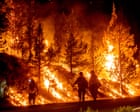
A sprawling dome of high pressure is sitting heavy over the western United States, turning landscapes from Arizona up to Montana into tinderboxes. Temperatures are climbing past 115 degrees Fahrenheit in places like Las Vegas and Phoenix, while parts of the Pacific Northwest and Oregon battle fierce winds and critically low humidity. This relentless combination of extreme heat and dry air has triggered red flag warnings and pushed local emergency resources to their limits.
If you live anywhere west of the Rockies, you already know the drill. The air feels like an oven, your throat feels dry the second you step outside, and local news broadcasts are dominated by maps splashed in bright red and orange alert colors. But the physical discomfort of a heatwave is only the surface problem. The real crisis is happening on the ground, where parched vegetation transforms into fuel that can ignite from a single stray spark.
The Science Behind Heatwave Wildfires
Most people assume that hot weather simply dries out plants over time. That is true, but it misses how fast a heatwave alters atmospheric conditions. When temperatures spike, the atmosphere's demand for moisture skyrockets. The air aggressively pulls water straight out of living trees, shrubs, and dead timber on the forest floor.
To make matters worse, heatwaves suppress nighttime humidity recovery. Normally, moisture settles back into the landscape after sundown, giving firefighters a brief window when fire activity slows down. During an intense heat dome, that moisture never comes. Fires keep burning aggressively through the middle of the night, chewing through acreage while crews struggle to build containment lines in the dark.
States like Oregon and Washington are already seeing the devastating results of this dynamic. Oregon has watched roughly 1.8 million acres burn through the summer months, while Washington faces its worst fire destruction since 2021. Low snowpack from the previous winter meant rivers and reservoirs started the warm season already depleted, leaving vegetation with zero deep-soil moisture reserves to lean on.
Why Dry Lightning Makes Everything Worse
High temperatures don't just dry out the woods; they destabilize the atmosphere entirely. This atmospheric instability frequently spawns thunderstorms. In a normal weather pattern, those storms drop soaking rain that puts out fires. During a western heatwave, however, the air beneath the clouds is so hot and dry that the rain evaporates before it ever hits the ground.
This phenomenon produces dry lightning. Thousands of cloud-to-ground strikes hit bone-dry timber without a single drop of moisture to follow them. Fire departments find themselves chasing dozens of simultaneous lightning ignitions across remote terrain while battling existing blazes. It is a logistical nightmare for incident commanders who have to spread their crews thin across multiple states.
What State Officials and Fire Crews Are Doing
Governorships and emergency management teams are shifting heavily toward preventative restrictions. In Washington, Governor Bob Ferguson implemented a temporary ban on outdoor burning through September to cut off human-caused ignitions before they start. Utility companies across California and the Great Basin routinely trigger Public Safety Power Shutoffs (PSPS) during high-wind and high-heat events to prevent downed power lines from sparking catastrophic blazes.
Wildland firefighters are working grueling shift rotations, but gear availability and staffing shortages remain constant hurdles. Specialized protective equipment, like heavy-duty leather boots built to withstand extreme ground heat, has grown increasingly expensive, putting a strain on seasonal recruits trying to kit up safely.
How to Protect Your Property and Family
You don't have to sit back and cross your fingers until the weather breaks. If you live in a wildfire-prone zone, small actions taken today change your odds tomorrow.
Clear a defensible space around your home immediately. Move woodpiles at least thirty feet away from exterior walls, clean dry pine needles out of your gutters, and rake away dead leaves within five feet of your foundation. Embers travel miles on high winds during a heatwave, and they usually ignite a home by landing in dry debris right next to the siding.
Keep an emergency go-bag packed by your door with essential documents, medications, N95 masks for heavy smoke, and chargers. Sign up for local county emergency alerts so you know the second evacuation orders drop. When a red flag warning is active, avoid any outdoor activity that involves metal tools, dragging tow chains, or open flames. The landscape is too fragile right now to risk it.
Big heat dome to expand across West and Central U.S: Impacts on SW monsoon, wildfire, & more
This video provides a detailed meteorological breakdown of the high-pressure ridge causing the extreme western heatwave and its direct impact on regional wildfire risks.