The air inside a refinery town always tastes slightly of sulfur and patience. You do not notice it on your first day, or your tenth. By year three, it is simply the background music of your lungs, a heavy, metallic tang that settles into your clothes and lingers on the steering wheel long after you have parked for the night.
Meet Arthur. Arthur is fifty-eight years old, and for thirty-two of those years, his hands have smelled of diesel. He does not run a multinational corporation. He does not sit in a glass-walled corner office overlooking Manhattan or Frankfurt. Arthur manages the logistics dispatch for a mid-sized regional fuel distributor in the Midwest. His entire existence is bound to a fragile, invisible tether: the global price of crude oil. When that number moves, Arthur's phone rings.
On a gray Tuesday morning, Arthur’s phone rang before the coffee maker had finished its first wheeze.
The market had just vaulted past ninety-one dollars a barrel. The catalyst was not a physical pipeline snapping in the desert, nor a tanker running aground in a narrow channel. It was words. A sentence uttered a world away, carrying the heavy weight of geopolitical friction. Former President Donald Trump, casting public doubt on the viability of any future diplomatic agreement with Iran, had sent a shockwave straight through the trading floors of London and New York.
Traders do not sleep. They react. And when a key architect of maximum pressure politics signals that the door to diplomacy might be permanently bolted shut, the calculus changes in a fraction of a millisecond. Supply risks are priced in. Fear becomes liquid.
Consider what happens next in Arthur’s world.
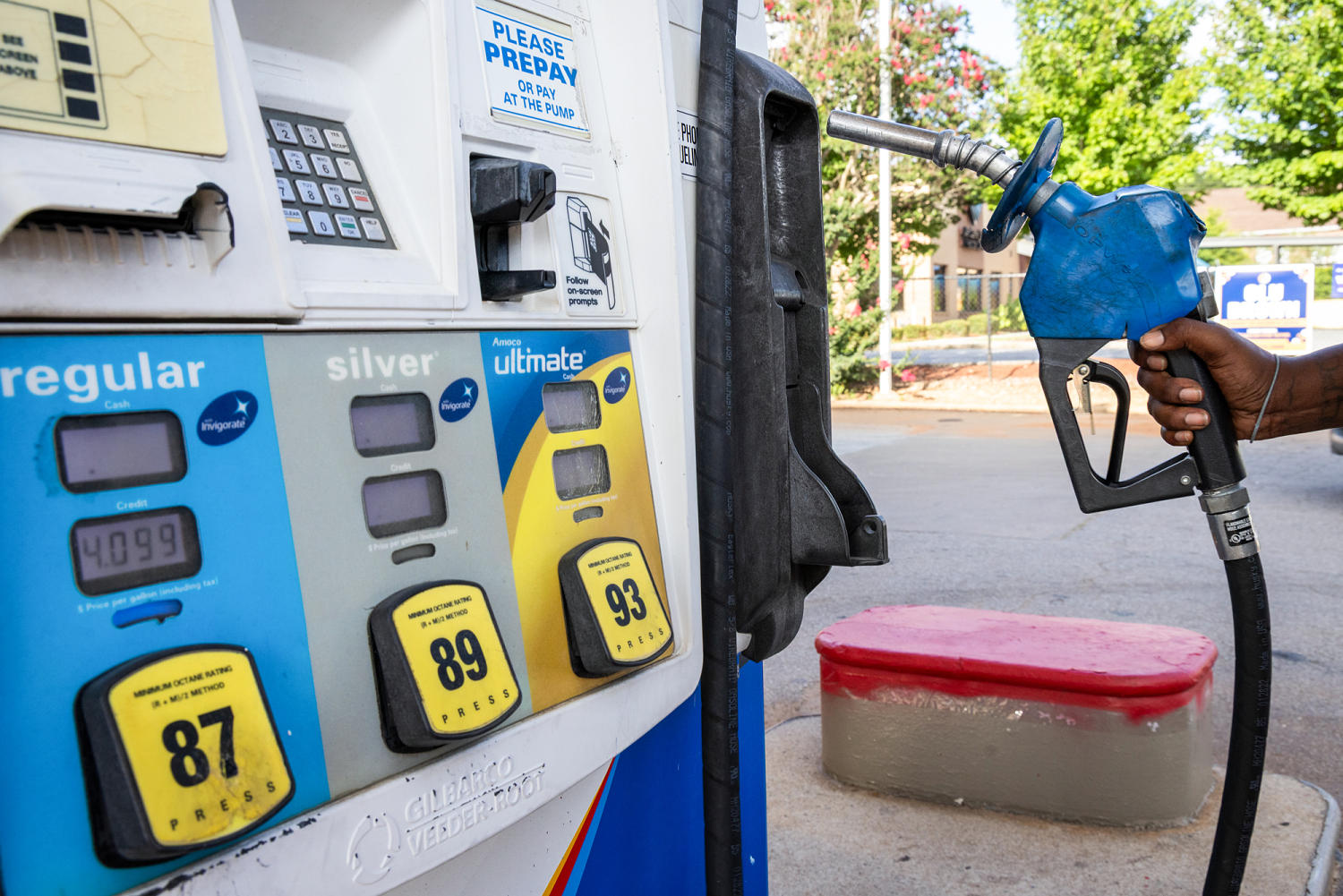
That ninety-one-dollar threshold is not an abstraction for him. It is a brick wall. It means the cost of filling his fleet's tanker trucks surges overnight. It means the local farmer, preparing to harvest autumn corn, will pay significantly more to run combines that burn thousands of gallons a week. It means the commuter two towns over, already stretching a paycheck to cover mortgage rates and grocery inflation, stares at a local gas station sign with a quiet, burning exhaustion.
We talk about oil as if it were a disembodied commodity, a line on a financial terminal moving up and down like a heartbeat on a monitor. But oil is blood. It is the energy required to move a box of medicine across state lines. It is the petroleum feedstock that creates the plastic wrapping for fresh food. When geopolitical rhetoric hardens, the cost of that blood thickens.
The market’s reaction to the Iran commentary reveals a profound vulnerability in modern global commerce. For months, whispers of backchannel talks, tentative sanctions enforcement waivers, and quiet diplomatic overtures had kept a lid on prices. Traders had priced in a margin of safety—the hope that Iranian barrels might eventually flood back onto the open market in a coordinated stream, easing the global supply crunch.
Then came the doubt.
Trump’s skepticism tore that safety net away. If a new deal is off the table, the barrels that traders hoped to see materialize remain locked behind an iron curtain of sanctions. Production quotas from OPEC+ remain tightly managed. Global demand, sluggish in some sectors but stubbornly resilient in others, refuses to plummet. The equation is brutally simple. Less expected supply plus enduring demand equals rising prices.
Arthur stood by his kitchen window, watching the steam rise from his mug, listening to a financial analyst on the radio break down the futures curve. The analyst spoke in calm, clipped tones about Brent crude and West Texas Intermediate, terms that sounded clinical and safe.
Clinical is a lie.
Behind every tick upward lies a negotiation that failed, a speech given at a podium, a threat whispered across a secure line. The stakes are human lives anchored to economic reality. When oil spikes past ninety-one dollars, it triggers a cascade. Refineries adjust their margins. Chemical plants pass the burden down the supply chain. Airlines hedge their fuel costs, eventually slipping the surcharge into the price of a family vacation ticket.
Arthur drained his coffee. He knew what his afternoon would look like. He would have to call three of his largest commercial clients and explain why their delivery contracts were scaling upward for the upcoming quarter. He would listen to the silence on the other end of the line—that heavy, frustrated silence of business owners who are tired of absorbing shocks they cannot control.
We often imagine geopolitics as a game played by men in tailored suits on distant stages, moving pawns across a map of the Middle East or Washington. We forget that the board extends all the way down to a kitchen table in Ohio, where a man with diesel on his hands watches a number climb on a screen, wondering how much more weight the system can bear before something snaps.