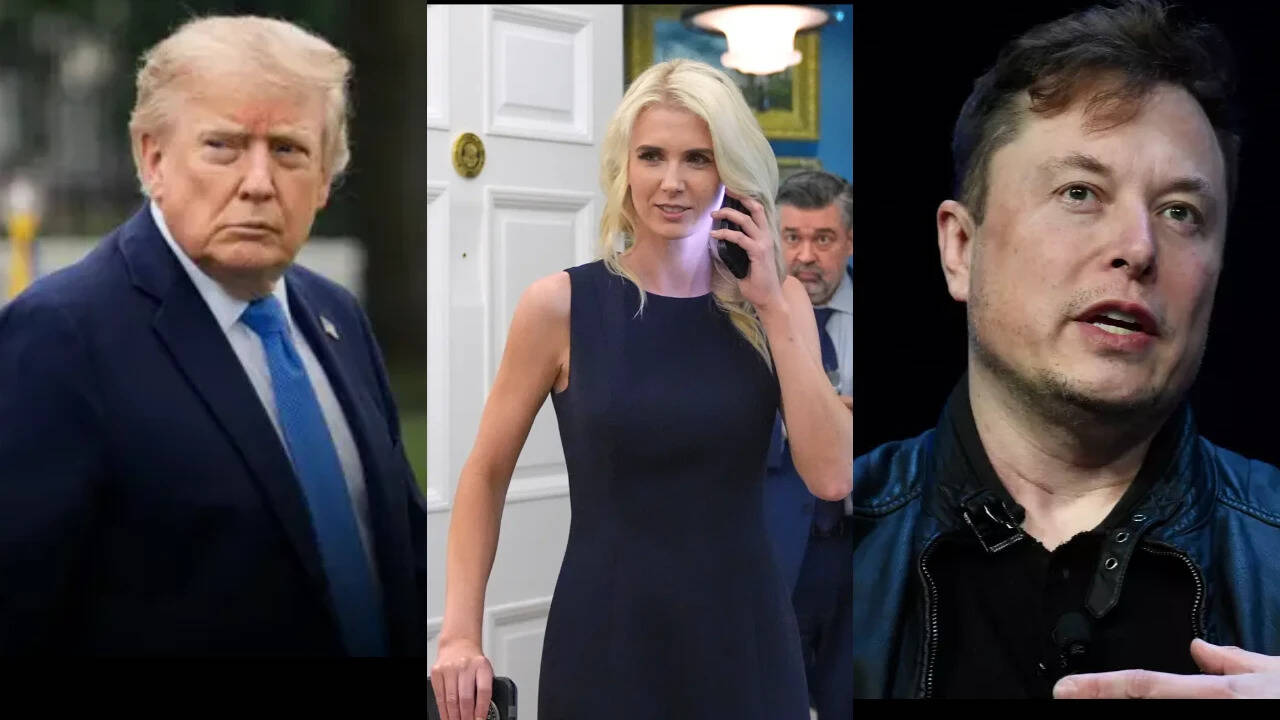
Power rarely explodes with a grand cinematic roar. More often, it arrives on a crisp sheet of white copy paper, carried quietly across a plush carpet by an aide whose entire job is to bridge the gap between the digital ether and the West Wing.
Senator Ted Cruz sat across the Resolute Desk in June 2025. His mission was mundane yet fierce: secure presidential backing for a prized school-choice provision. The air in the Oval Office smelled of aged wood and polite urgency. Policy points were traded. Heads nodded. The machinery of government ground forward in its usual predictable rhythm.
Then the door opened.
Enter Natalie Harp. Known in inner circles by the stark moniker of the human printer, she carried neither legislative drafts nor intelligence briefings. She carried a single printout.
Consider what happens when the digital world collides with analogue authority. Donald Trump does not browse feeds or swipe through timelines himself. Instead, information is curated, extracted, and physically laid before him. On this particular afternoon, the page bore a fresh dispatch from Elon Musk. The tech billionaire, freshly unbound from his stint leading government efficiency efforts, had detonated a rhetorical device across the platform formerly known as Twitter. Musk had typed out an explosive claim, alleging that the president's name was buried within the infamous Epstein files and warning that the truth would eventually tear open the vault.
Harp handed the paper down. Trump looked.
Cruz, watching from inches away, saw the physical transformation happen in real time. The knuckles turned white. The relaxed posture of a transactional policy meeting evaporated, replaced instantly by the rigid, electric fury of a betrayed titan.
Knuckles white.
That is how empires wobble. Not through grand invasions or slow legislative declines, but through a 35-year-old former cable news host walking across a room with a fresh ink-jet rendering of a billionaire's digital outburst. Cruz later recounted that school choice vanished from the agenda entirely, swallowed whole by a sudden, profane eruption of technicolor rage. He admitted he learned vocabulary words he had never encountered in decades of constitutional law.
It was, as Cruz described it to Patrick Bet-David on his podcast, like watching a hand grenade pulled and dropped right in the middle of a crowded room.
The alliance between the world's richest man and the most powerful populist politician had always been an unstable mixture of high ego and high stakes. They were two suns occupying the same political solar system, gravitational forces bound to pull toward a cataclysm. Yet the catalyst for the explosion was remarkably low-tech. A printer hummed in a back office. Paper rolled out. Ink dried.
The feud that followed dominated headlines for weeks, fracturing loyalties across the conservative movement and forcing allies to pick sides in a high-stakes war of words. Accusations flew. Trust shattered. The man who had helped streamline federal agencies was suddenly an existential enemy, flinging digital accusations that pierced deep into the armor of the administration.
Time heals, or at least buries. Months later, the political winds shifted again, and the two figures managed to patch up their fractured dynamic, finding a pragmatic truce in a landscape where permanent enmity is a luxury no strategist can afford.
Yet the image remains frozen in the memory of those who witnessed it. A quiet office. A sudden hush. The white paper sliding across the desk, carrying the words that nearly burned down a political dynasty.