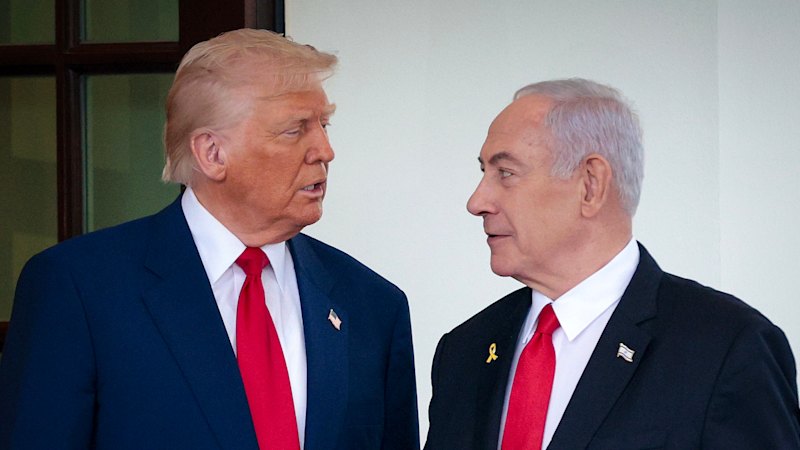
The Spectacle of the Oval Office Gathering
Mainstream reporting loves a high-stakes photo-op. When world leaders converge on Washington to attend a high-profile funeral and squeeze in bilateral meetings, commentators rush to frame it as a decisive moment in global diplomacy. They sell the narrative that sitting down in the Oval Office automatically translates into recalibrated alliances, immediate ceasefire breakthroughs, or massive shifts in foreign aid policy.
That framing is fundamentally flawed.
Diplomacy rarely happens under the fluorescent lights of scheduled press availabilities or during brief side conversations between memorial services. What the public sees as a pivotal summit is almost always a carefully choreographed exercise in domestic political signaling. Viewing these high-profile visits as engine rooms of actual policy change misunderstands how modern geopolitical negotiation functions.
The Misconception of Event-Driven Strategy
The media obsession with public presidential meetings assumes that foreign policy is driven by personal chemistry and spontaneous breakthroughs. "Leader A met Leader B, so Policy C is imminent."
It almost never works that way.
Real alignment on complex international conflicts, military aid packages, and strategic trade channels requires months of behind-the-scenes work by state departments, national security councils, and career diplomats. The actual mechanics are unglamorous: draft agreements, technical negotiations, intelligence sharing protocols, and quiet legislative lobbying.
"Diplomacy is the art of letting somebody else have your way." — Harry S. Truman
When heads of state meet on short notice around a solemn event like a senator's funeral, the incentives are overwhelmingly focused on public relations:
- Domestic Consumption: Leaders show their home audiences that they command respect on the international stage.
- Political Leverage: Visiting figures attempt to lock in public commitments or signal to opponents back home that they enjoy top-tier backing.
- Optics Management: The administration hosting the meeting projects image control, demonstrating that it remains the central clearinghouse for global problem-solving.
Focusing on the theatricality of the meeting obscures the cold, transactional reality underneath. High-visibility meetings rarely alter the structural interests of sovereign nations. A leader facing intense domestic pressure or fighting an existential conflict cannot pivot their core strategic imperatives simply because they shared an armchair conversation in Washington.
Reading Between the Headlines
To understand what is actually happening during these high-profile diplomatic summits, stop listening to the joint statements and focus on three key indicators instead:
1. Congressional Appropriations over Executive Promises
An executive photo-op makes for a great news cycle, but it does not write checks. In the United States, foreign aid and military assistance flow through Capitol Hill. A promise made during a White House sit-down means very little without the legislative votes and appropriations bills to back it up. Watch committee hearings and budget markups, not press conferences.
2. Defense Logistics and Field Intelligence
Real shifts in defense posture show up in supply chains, ammunition production rates, and joint intelligence deployments weeks before a political summit occurs. If those logistics aren't moving, the meeting is about messaging, not material strategy.
3. Domestic Political Survival
Every foreign leader operates under strict domestic constraints. A leader's willingness to make concessions abroad is inversely proportional to their political vulnerability at home. When domestic polling is brutal or legislative coalitions are fraying, leaders double down on rigid positions rather than making bold diplomatic compromises.
The Strategic Trade-off
Relying on photo-ops and high-visibility summits carries real risks for all parties involved:
| Aspect | The Promise | The Reality |
|---|---|---|
| Public Signaling | Projects strength and unity | Raises expectations that cannot be met quickly |
| Bilateral Pacts | Fast-tracks strategic alignment | Skips crucial diplomatic groundwork |
| Media Narrative | Frames the leader as a global statesman | Exposes internal policy divisions to public scrutiny |
When foreign policy is reduced to political theater, public expectations get wildly out of sync with actual capabilities. Spectacles create the illusion of momentum while structural stalemates remain completely untouched.
Stop evaluating international relations by the warmth of a handshake in front of a fireplace. Look at the balance sheets, the legislative dockets, and the hard realities of defense manufacturing. That is where power resides, long after the cameras are turned off and the funeral processions have cleared the streets.


