The recent discharge of a firearm by a Secret Service agent near the White House is not an isolated tactical success. It is a symptom of a protective model pushed to its breaking point. While the immediate headlines focus on the neutralization of a direct threat, the reality on the ground points to a dangerous shift in the security environment surrounding 1600 Pennsylvania Avenue. This incident reveals the widening gap between the agency’s historical mandate and the modern reality of urban combat zones in the heart of the capital.
The Secret Service remains the gold standard for personal protection, but their job is becoming impossible. When an agent opens fire, the system has already suffered a fundamental breakdown in deterrence. For decades, the mere presence of the "black suits" and the visible fortification of the White House served as a psychological barrier. That barrier is evaporating. We are seeing a new breed of intruder—one less deterred by the prospect of lethal force and more capable of exploiting the seams in a complex, multi-agency security grid.
The Illusion of the Iron Ring
Public perception often views White House security as a series of concentric circles. In theory, each layer provides more scrutiny and less tolerance for error. In practice, these circles are overlapping jurisdictions managed by the Secret Service, the National Park Service, and the Metropolitan Police Department. This fragmentation creates friction.
When a gunman approaches the perimeter, the response must be instantaneous. However, the legal and operational constraints on using lethal force in a crowded public space are immense. The agent who fired near the White House had to calculate trajectory, backdrop, and the presence of tourists within a fraction of a second. This is not just training. It is an impossible burden placed on individual personnel because the structural perimeter failed to keep the threat at a distance.
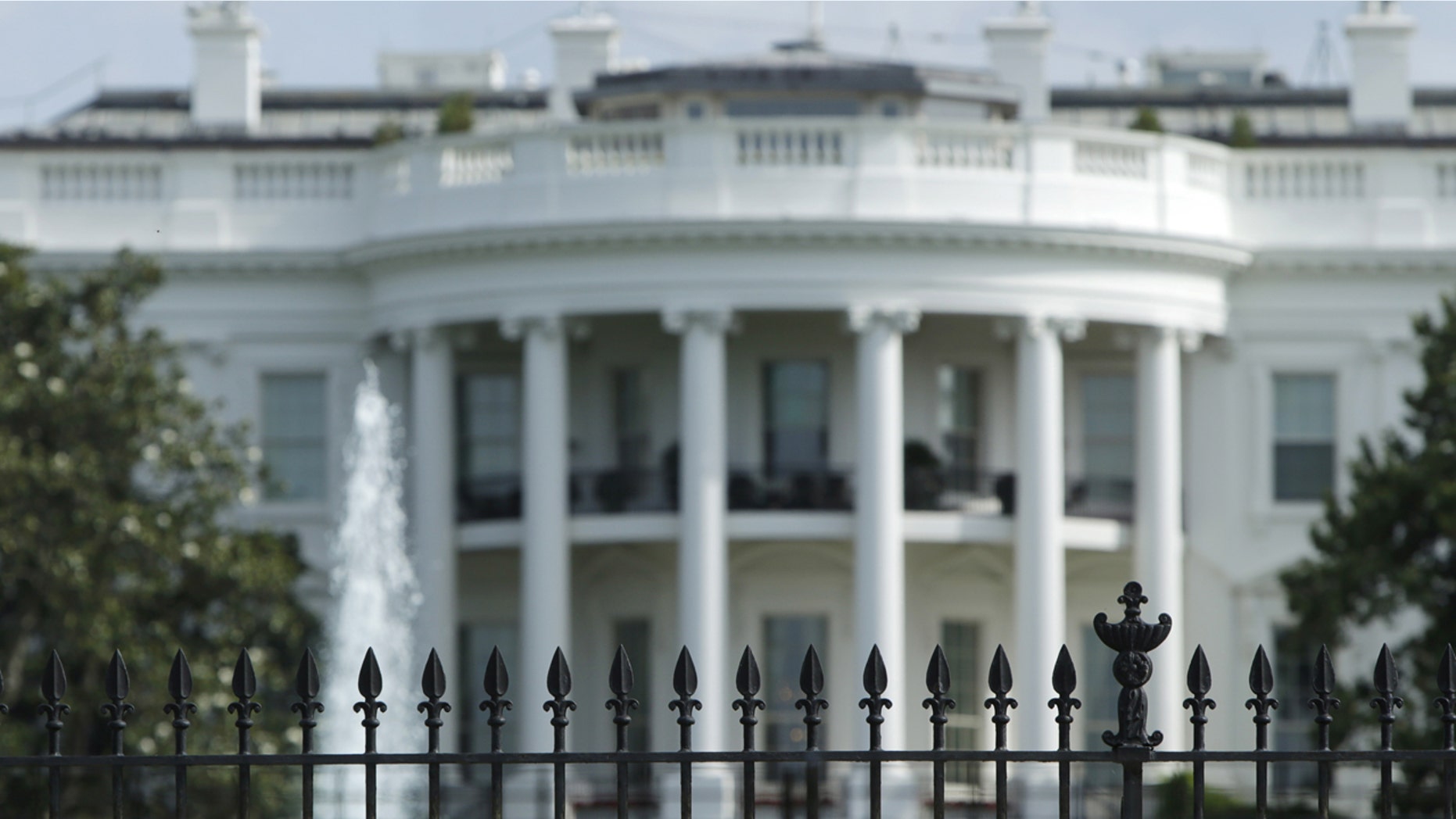
The shift toward a "hardened" White House, including the installation of taller, anti-climb fencing, was intended to reduce these encounters. It has had the opposite effect. By making the physical barrier more imposing, the agency has inadvertently signaled a challenge to those seeking notoriety or looking to test the limits of federal response. The perimeter is no longer a fence; it is a friction point.
Personnel Exhaustion and the Quality Gap
You cannot protect a president with a tired force. Internal data and whistleblower reports have consistently highlighted a crisis of morale and retention within the Secret Service. Agents are working record amounts of overtime. They are missing training cycles. They are being deployed to protect an ever-growing list of dignitaries while the core mission at the White House suffers from a lack of consistent, high-level staffing.
This exhaustion leads to mistakes. While the agent in this specific incident acted decisively, the broader agency is struggling with a "brain drain." Senior agents with decades of instinct are retiring, replaced by recruits who are being fast-tracked through training to fill gaps in the schedule. The intuition required to spot a gunman before he draws his weapon is a skill honed over years, not weeks.
The agency’s reliance on technology—drones, sensors, and AI-driven surveillance—is a double-edged sword. These tools provide a wealth of data, but they also create a false sense of security. A sensor can tell you a person has crossed a line. It cannot tell you the intent behind the movement. That remains a human judgment, and right now, the human element of the Secret Service is being stretched thin.
The Urban Warfare Reality
Washington D.C. is not a static environment. It is a living city with evolving crime patterns and social unrest. The area around the White House, specifically Lafayette Square and the Ellipse, has become a focal point for a variety of grievances. This transforms a security detail into a riot control unit and a counter-terrorism force simultaneously.
The Secret Service was never designed to be a municipal police department. Yet, they are increasingly forced to manage large-scale public order issues that bleed directly into their protective mission. When a gunman enters this mix, the complexity of the engagement increases exponentially. The risk of collateral damage is at an all-time high, and the psychological toll on the agents who must navigate this chaos is significant.
The Failure of Deterrence
Why do individuals keep trying to breach the most heavily guarded house in the world? The answer lies in the erosion of consequences. In many cases, perimeter intruders are processed for trespassing and released, often returning to the same gates weeks later. The legal framework has not kept pace with the security needs of the executive branch.
We are seeing a rise in "suicide by Secret Service" attempts and individuals suffering from acute mental health crises who view the White House as a stage. The agency is being forced to act as a frontline mental health responder, a role for which they are neither trained nor equipped. Every time an agent is forced to fire their weapon in these scenarios, it is a tragedy that reflects a broader societal failure.
The Secret Service needs more than just a bigger budget for fences. They need a fundamental restructuring of their mission. This includes:
- Jurisdictional Consolidation: Eliminating the overlap between agencies to create a single, unified command for the entire National Mall and White House vicinity.
- Mandatory Rest Cycles: Federal law must be changed to prevent the chronic overworking of protective details, ensuring agents are at peak cognitive performance.
- Specialized Response Teams: Moving away from the "every agent does everything" model and toward highly specialized units trained specifically for perimeter defense in urban environments.
The bullet fired near the White House was a wake-up call that the agency is currently ignoring. We are relying on the heroism of individual agents to cover for the systemic failures of the organization. That is a strategy destined for a catastrophic outcome.
The current trajectory is unsustainable. If the Secret Service does not move to a proactive, intelligence-led model that prioritizes the health of its agents and the clarity of its jurisdiction, the next incident will not be contained to the sidewalk. The perimeter has already shifted. It is now located in the minds of the agents standing on the line, and they are exhausted.
Security is not a wall. It is a process that requires constant refinement and a brutal honesty about one's own vulnerabilities. The Secret Service is currently choosing optics over honesty. They are maintaining the facade of an impenetrable fortress while the foundation is crumbling under the weight of attrition and outdated tactics.
The agency must stop treating every breach as an isolated incident and start seeing them as data points in a failing system. The bravery of the agent who fired his weapon is beyond question. The wisdom of the leadership that put him in that position, without the necessary structural support, is very much in doubt.
Congress must stop throwing money at hardware and start investing in the human capital that actually does the work. Without a drastic change in how we manage the security of the presidency, the White House will remain a target not in spite of its defenses, but because of their visible decay. The next threat is already walking the perimeter, looking for the next seam to exploit.