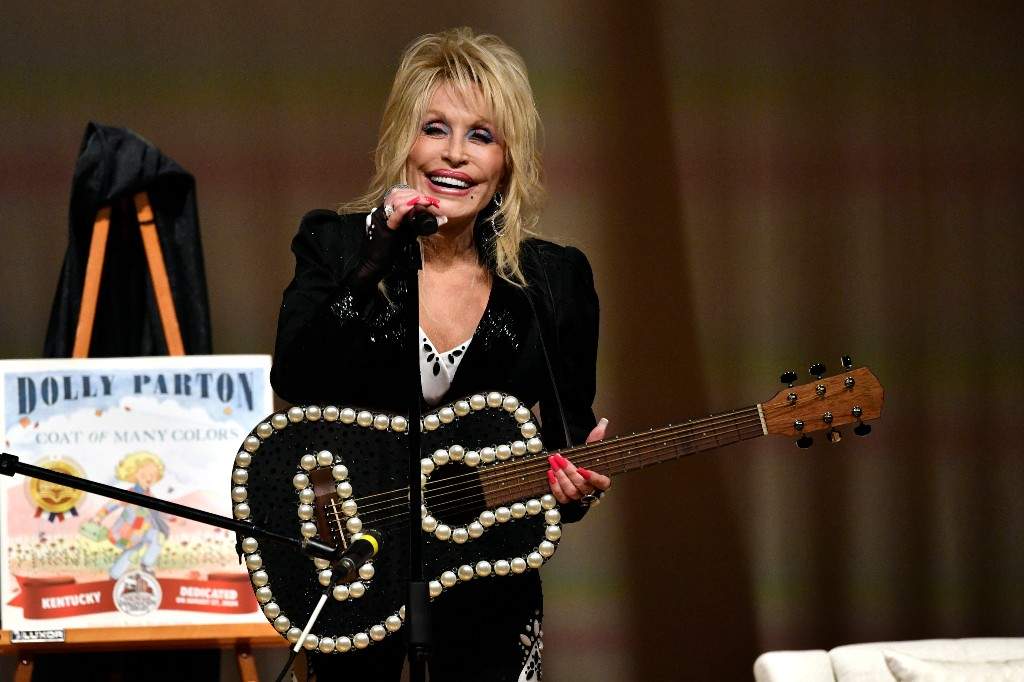
There is a specific kind of quiet that settles over a room when a song by Dolly Parton begins to play. It does not demand your attention; it invites you in. It smells faintly of woodsmoke, old church pews in Sevier County, and a very particular brand of unyielding grace that was forged in the shadow of the Great Smoky Mountains.
We live in an age that loves to tear things down. Cynicism is currency. Sarcasm is armor. Yet, across parking lots, in cramped neighborhood bakeries, under the flickering neon of rural diners, and inside massive metropolitan stadiums, people keep finding reasons to celebrate a woman who wears rhinestone-encrusted jackets and sings about coal miners.
It’s Dolly Parton Day.
Or, at least, it is somewhere. Because when you look closely at how her fans mark these unofficial or official celebrations, you realize something profound. They aren't just honoring a musician. They are participating in a communal exhale.
Consider what happens on these days. People don't gather simply to listen to "Jolene" or "9 to 5" on repeat. They dress up. They don oversized blonde wigs that defy gravity and meteorological physics. They wear fringed denim, cowboy boots scuffed from actual work, and shirts emblazoned with her face. They bake cakes. They donate books to children they will never meet through her Imagination Library. They stand shoulder-to-shoulder with strangers and sing harmonies off-key, perfectly content in their imperfection.
To understand why this happens, you have to go back to a wooden cabin on Locust Ridge.
Dolly grew up one of twelve children in a home with no electricity, no running water, and plenty of love stretched dangerously thin across cold winters. Poverty is often romanticized in fiction, but in reality, it is heavy. It smells like damp wool and flour sacks. It feels like chilblains on small fingers.
She knew what it was like to wear a coat made of scraps of colored cloth patched together by her mother, only to be mocked by classmates at school. She knew the sting of humiliation. But instead of letting that coldness curdle her spirit, she did something remarkable. She weaponized radical kindness.
When fans celebrate her today, they are celebrating the triumph of that little girl. Every sequin on her stage is a middle finger to despair. Every time someone pulls on a blonde wig for a community festival, they are trying on a superpower. They are stepping into an armor made of glitter and resilience.
It is easy to look at her success—the millions of records sold, the theme parks, the literacy programs, the billion-dollar cultural footprint—and assume it was inevitable. It wasn't. The music industry in Nashville during the late 1960s was an old boys' club wrapped in pomade and cigarette smoke. They wanted her to quiet down. They wanted her to straighten her hair, tone down the makeup, and sing the traditional country tunes written by men who viewed women as ornaments or heartbreak casualties.
Dolly smiled that blinding, disarming smile, thanked them for their time, and wrote her own songs.
She wrote about infidelity, about backwoods abortion before it was safe to talk about, about working-class exhaustion, about faith, and about desire. She did it while wearing clothes so tight and flashy that conservative critics sneered. They thought she was a caricature. They didn't realize she was the architect of her own myth.
"It costs a lot of money to look this cheap," she famously joked. It is one of her greatest quips, but it masks a profound truth about autonomy. She understood that if you control the joke, nobody can laugh at you. You are laughing with them.
When fans organize celebrations across cities, libraries, and bars, they are channeling that exact brand of self-possession.
Imagine a twenty-something graphic designer sitting in a sterile apartment in Chicago, feeling entirely disconnected from their neighbors, scrolling through a feed of endless bad news. They stumble across a local meetup for Dolly Parton Day. They pull on a fringe jacket they bought at a thrift store. They walk out the door feeling slightly foolish.
Then they arrive.
They see a seventy-year-old grandmother trading stories with a twenty-something punk rocker over a plate of homemade brownies. Everyone is smiling. Someone is playing an acoustic guitar poorly. The designer realizes, with a sudden, sharp clarity, that they belong here. Everyone belongs here. The door was never locked.
That is the invisible stake of these celebrations. They are civic sanctuaries. In a world fracturing along ideological fault lines, where neighbors eye each other with suspicion across political fences, Dolly Parton remains one of the few cultural touchstones that defies polarization.
Conservative churchgoers love her for her gospel albums and her refusal to take a partisan political sword to her audience. Progressive activists love her for her fierce support of the LGBTQ+ community, her multimillion-dollar vaccine funding, and her quiet, unwavering advocacy for marginalized people.
Critics sometimes ask how she manages to walk that tightrope without falling. The answer is simple: she doesn't think of it as a tightrope. She thinks of it as a living room. And in her living room, everybody is welcome as long as they wipe their feet and treat each other decently.
She once said, "We cannot direct the wind, but we can adjust the sails."
Her fans have adjusted their sails toward joy.
Look at the Imagination Library, which has gifted over two hundred million books to children worldwide. It started because her own father never learned to read, a source of quiet shame for a proud man. Dolly watched him struggle, and instead of lamenting the educational gaps in Appalachia, she built a delivery system that drops a free, brand-new book into a child's mailbox every single month from birth until they start school.
When fans celebrate her, they bring books. They stack them high on tables at local community centers. They drop them into collection bins. They ensure that somewhere in the world, a child opens a package addressed directly to them and realizes, for the very first time, that stories belong to them too.
That is the heartbeat beneath the sequins.
We celebrate her because she reminds us of who we are capable of being on our best days. Generous. Funny. Unapologetically ourselves. Resilient in the face of hardship.
The party will eventually wind down. The wigs will be packed back into cardboard boxes. The glitter will be swept off hardwood floors, though some stray flecks will inevitably remain in the cracks for weeks, catching the sunlight when nobody is looking.
The music fades. The stadiums empty out.
Yet something lingers in the air. A softening around the edges of our collective fatigue. A reminder that kindness is not weakness, that joy is a form of resistance, and that somewhere out there, a song is playing about a coat of many colors, stitched together with love, waiting for us to put it on and step back out into the cold.