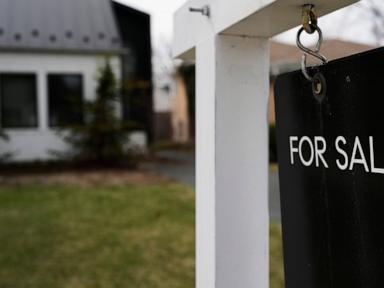
Every time the 30-year fixed mortgage rate ticks up by a single basis point, half the internet panics. Headlines scream about surging borrowing costs, pushing anxious buyers to freeze their home searches or scramble for locks. But if you stop staring at the weekly Freddie Mac data ticker and look at the actual math, you realize most of this noise is entirely irrelevant to your long-term financial health.
Rates hover right around 6.66%, bouncing up and down by fractions of a percent week over week. You might remember seeing similar numbers a month ago, leading commentators to declare that the housing market is stuck in a frustrating loop. It isn't stuck. It's just reacting to normal economic friction. If you liked this piece, you might want to check out: this related article.
The Trap of Timing the Housing Market
Trying to time a dip in mortgage rates is a fool's errand. I've watched buyers sit on the sidelines for two years waiting for a magical return to 4% rates, only to watch home prices appreciate by tens of thousands of dollars in their target neighborhoods. The math rarely favors waiting. A slightly higher interest rate on a lower purchase price almost always beats a lower interest rate on an inflated purchase price competing against twenty other offers.
When you look closely at recent data from Freddie Mac, the 30-year fixed rate shifts by mere hundredths of a percentage point. A jump from 6.65% to 6.66% sounds like a disaster on Twitter, but on a standard 400,000 dollar loan, it translates to a difference of about two dollars a month. Two dollars. Yet people treat it like a market crash. For another look on this development, refer to the recent update from Business Insider.
What Lenders Look At That You Can Control
Obsessing over macroeconomic trends distracts you from the variables you actually control. Lenders don't hand out the national average rate to everyone who walks through the door. That benchmark is just a statistical median for borrowers with pristine credit scores, substantial down payments, and ideal debt-to-income ratios.
If your credit score sits in the low six hundreds, the national average is completely useless to you. Real-world mortgage pricing depends on a handful of aggressive personal metrics:
- Credit score tiers: Crossing from a 720 score to a 760 score saves you thousands over the life of the loan.
- Debt-to-income ratio: Keeping your existing debt minimal tells the underwriter you won't default when an unexpected bill arrives.
- Down payment size: Putting down 20% eliminates private mortgage insurance and unlocks better pricing buckets with most major lenders.
- Discount points: Paying upfront fees to permanently or temporarily buy down your rate actually makes sense if you plan to stay in the home long enough to recoup the cash.
How to Shop Like a Professional
Most borrowers call their current bank, get a quote, and assume that's the final verdict. That laziness costs people thousands of dollars. Local credit unions, regional banks, and online brokers often beat the big national institutions by a quarter to a half percent on any given day.
Get at least three official loan estimates within a tight fourteen-day window so they only count as a single inquiry on your credit report. Play them against each other. Tell lender B that lender A offered a lower origination fee, and watch how quickly fees vanish. Banks want your business, but they will happily charge you maximum margin if you don't push back.
Stop letting minor weekly rate fluctuations dictate your life milestones. Find a house you can comfortably afford today, lock in the best rate your specific financial profile allows, and refinance later if the macroeconomic stars ever align for a massive drop. Action beats hesitation every single time.