Seoul is walking a tightrope with a blowtorch at both ends.
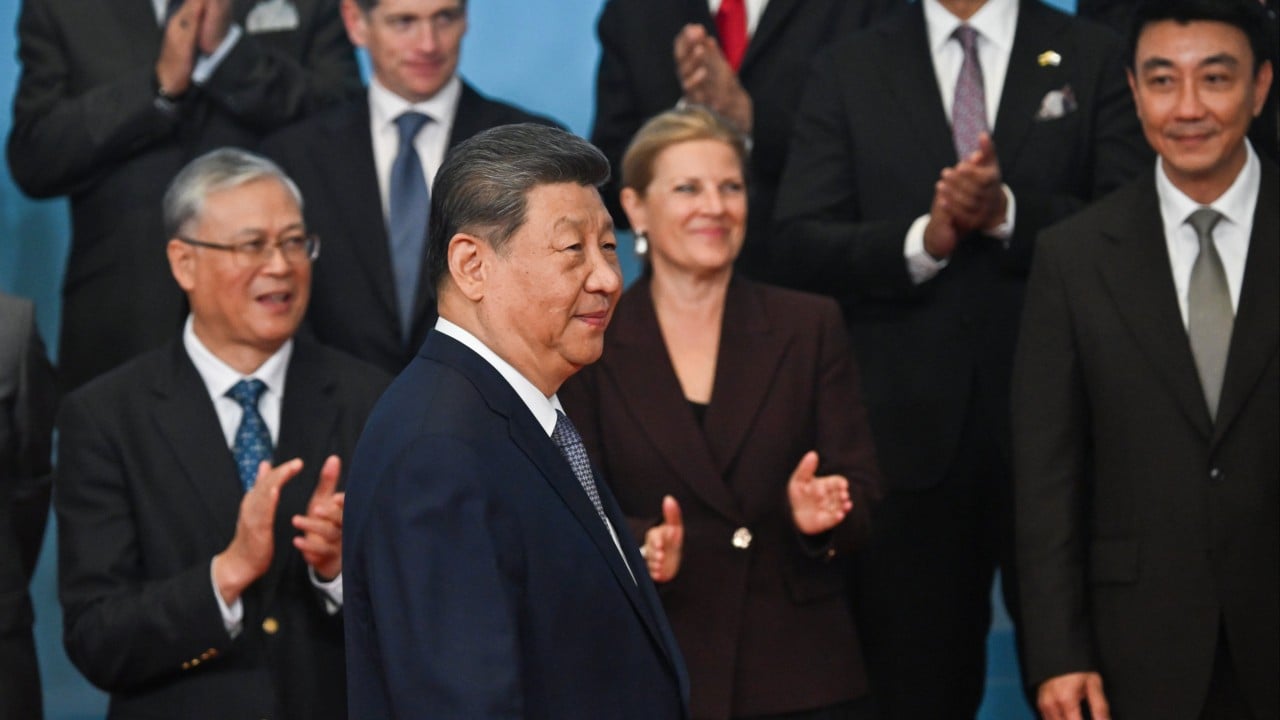
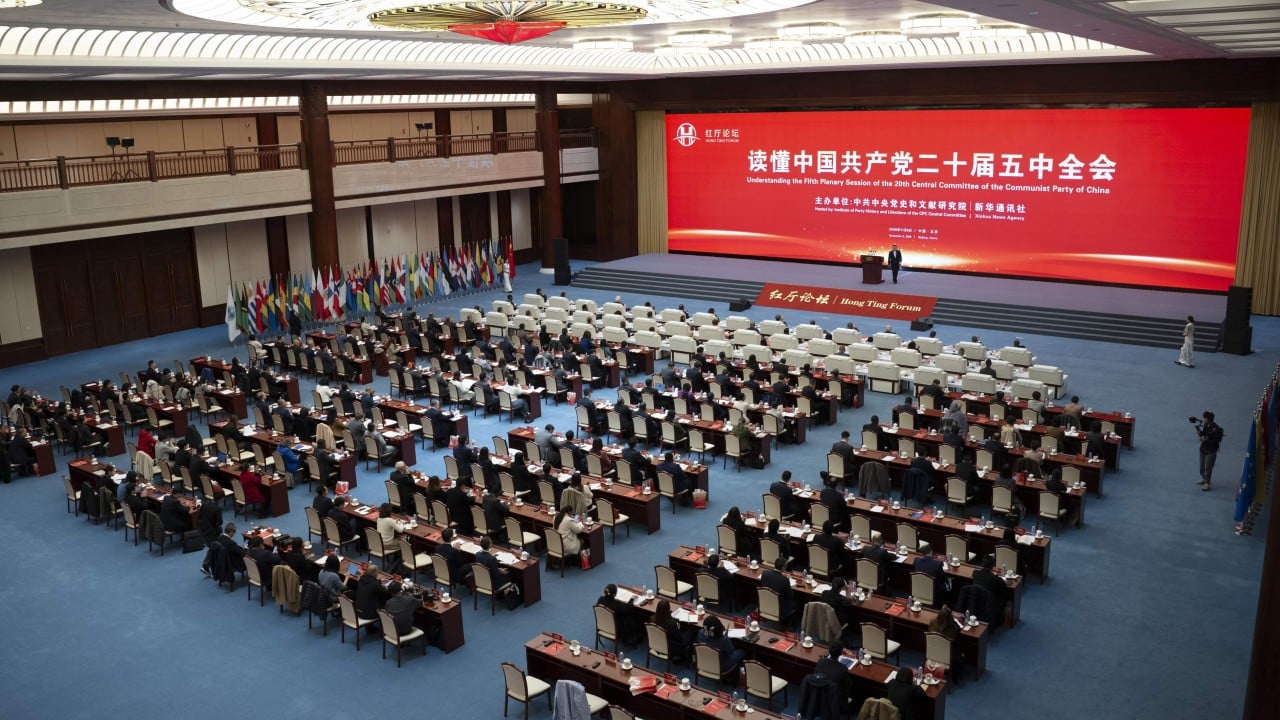
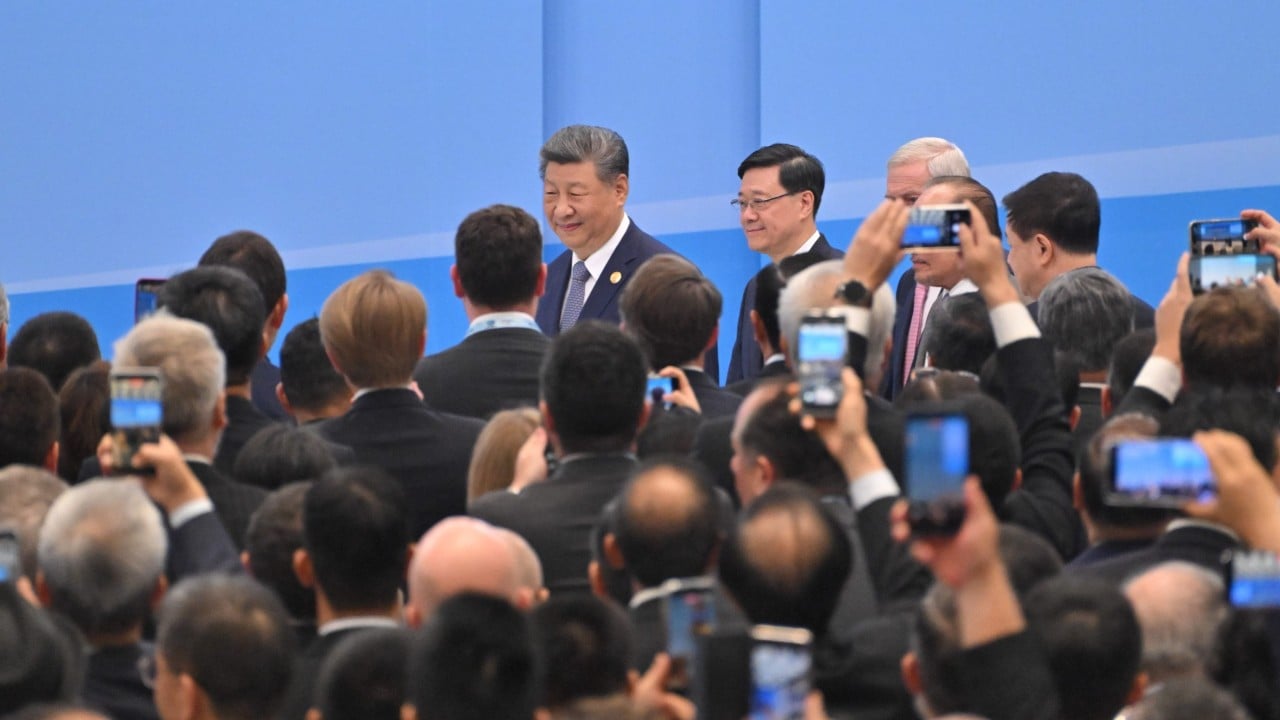
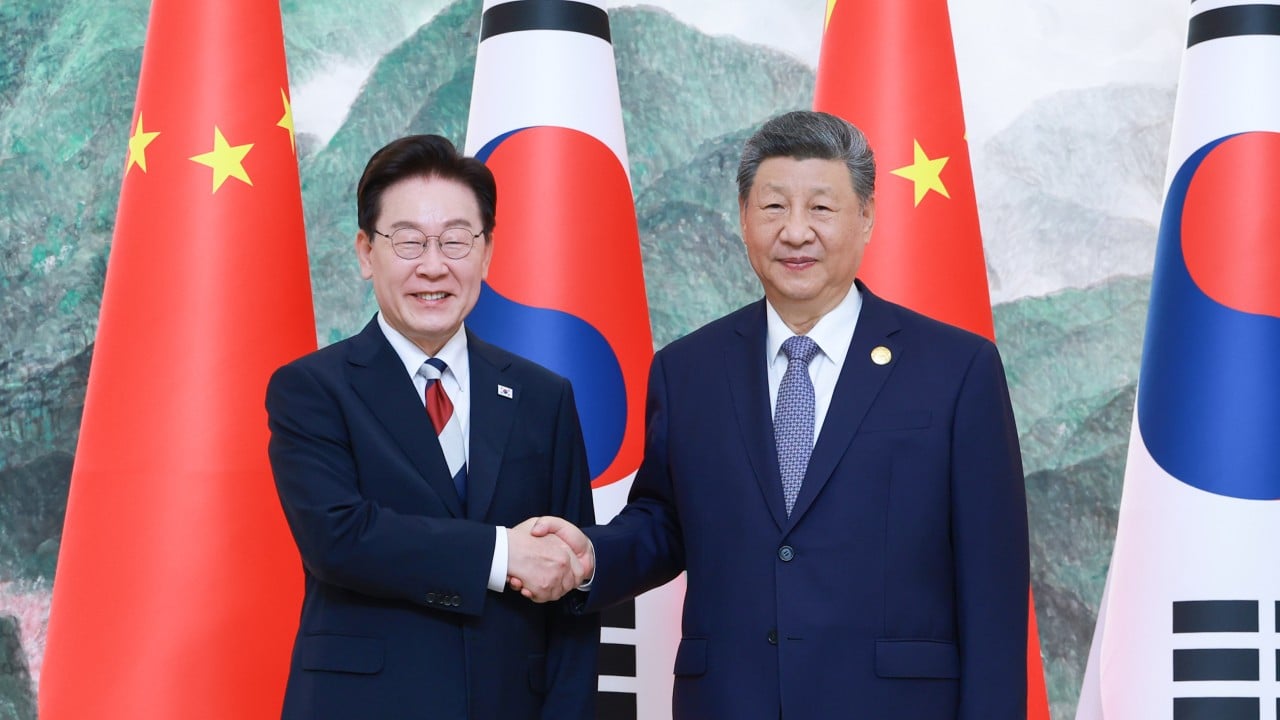
On November 18, 2026, Chinese President Xi Jinping sat down with South Korean President Lee Jae-myung in Shenzhen on the sidelines of the 33rd APEC Economic Leaders' Meeting. Xi's pitch was direct. He urged South Korea to link arms with Beijing to protect global supply chains, align macroeconomic policies, and build joint ventures in artificial intelligence and emerging tech.
Here is the catch. Just three days earlier, on November 15, Seoul signed the U.S.-led San Francisco Declaration—an initiative nicknamed "Pax Silica"—alongside Washington, Tokyo, and seven other nations to wall off critical AI hardware and minerals from Chinese influence.
You can't make this stuff up. Within seventy-two hours, South Korea committed to a Washington-backed AI security pact designed to counter Beijing, then flew to Guangdong to celebrate the substantive conclusion of Phase 2 Free Trade Agreement talks with Xi Jinping. If you're trying to understand where Asian tech and global manufacturing are headed, you have to look past the polite summit handshakes and see what both sides are actually fighting over.
The Shenzhen Summit Behind the Diplomatic Smile
Diplomatic readouts usually read like sleeping pills, so let's strip away the jargon. When Xi Jinping met Lee Jae-myung in Shenzhen, the headline deliverable was wrapping up the second phase of the China-South Korea Free Trade Agreement, which expands market access in services and investment. Lee called the moment a solid step toward restoring bilateral relations and reaffirmed Seoul's adherence to the One-China policy.
Xi went much further than trade tariffs. He explicitly pushed for deeper cooperation in artificial intelligence, emerging science, and keeping industrial supply chains running smoothly against what Beijing frames as unilateral protectionism. He also signaled openness to gradual cultural exchanges—a quiet nod to thawing the informal restrictions that have chilled South Korean entertainment and tourism in China for years.
Why Shenzhen? Location matters in Chinese diplomacy. Shenzhen isn't just a convenient convention stop; it's the beating heart of China's hardware, robotics, and AI manufacturing ecosystem. Hosting Lee there sent a clear message to Seoul's boardrooms. Beijing isn't just offering a massive consumer market anymore. It's offering proximity to the world's fastest-moving hardware prototyping and AI deployment hub.
Why Beijing Needs Seoul Right Now
China has plenty of AI talent and massive computing ambitions, so why is Xi courting South Korea so aggressively?
Three reasons stand out.
First, high-bandwidth memory and advanced chips. You can write all the frontier AI models you want, but without high-bandwidth memory (HBM) and advanced DRAM, your data centers are basically expensive space heaters. South Korea's Samsung Electronics and SK Hynix dominate the global memory market. Even with U.S. export controls tightening the screws on cutting-edge gear, China remains a massive buyer of South Korean semiconductors—historically absorbing roughly 40% of South Korea's chip exports. Beijing needs stable, predictable access to Korean components and legacy-to-mid-tier semiconductor manufacturing to keep its domestic AI infrastructure scaling.
Second, breaking the containment ring. Washington has spent years trying to lock South Korea, Japan, and Taiwan into a unified export-control bloc. By pulling Seoul into bilateral AI and supply chain agreements right after the San Francisco Declaration, Xi drives a wedge into that alignment. If South Korea's corporate giants keep one foot firmly planted in China's supply chain, Washington can't easily enforce a clean technological decoupling.
Third, industrial AI and robotics. South Korea boasts the highest robot density in the world across its automotive, shipbuilding, and electronics factories. China is scaling industrial automation at breakneck speed. Combining Korean precision manufacturing know-how with Chinese scale and AI software deployment creates an industrial powerhouse that neither country can build alone.
Seoul's Impossible Balancing Act Between Washington and Beijing
If you sit in a C-suite in Seoul, life in late 2026 feels like constant regulatory whiplash.
On November 15, U.S. Deputy Assistant Secretary of State for Economic Affairs Jacob Helberg announced the San Francisco Declaration on a Secure Foundation for Sustainable Prosperity. South Korea signed on alongside the U.S., Japan, Australia, the UK, Israel, India, Qatar, and the UAE. The pact commits signatories to protect sensitive AI technologies and critical mineral supply chains from theft or acquisition by hostile actors. Even though Helberg insisted the framework isn't meant to exclude any specific country, everyone in the room knew who it targets.
Then come the trade threats. Right around the same time, the Office of the U.S. Trade Representative (USTR) rolled out fresh Section 301 tariff proposals targeting manufacturing excess capacity across 14 trading partners—including South Korea. Washington has even scrutinized Seoul's massive domestic semiconductor subsidies, such as the multi-hundred-trillion-won Honam semiconductor cluster plan.
Meanwhile, S&P Global warned in a November 25 briefing that tighter U.S. restrictions on advanced AI chip exports and overseas cloud access for Chinese firms are highly likely within the next six months. That puts South Korean hardware exporters directly in the crossfire.
Look at the bind President Lee Jae-myung faces:
- Lean too far toward Washington, and South Korean conglomerates risk losing their biggest export market, facing retaliatory Chinese restrictions on critical battery minerals like graphite and gallium, and watching billions of dollars in existing Chinese fab investments turn into stranded assets.
- Lean too far toward Beijing, and Samsung and SK Hynix risk losing access to American chipmaking equipment, EDA software, and U.S. government subsidies—the exact tools required to stay ahead of the curve.
Lee's strategy in Shenzhen wasn't picking a side. It was hedging. By signing Pax Silica on Sunday and concluding Phase 2 FTA talks with Xi on Wednesday, Seoul is trying to keep both doors open for as long as humanly possible.
What Most Analysts Miss About the Korea-China Tech Relationship
Here is where conventional punditry gets it completely wrong. Most commentary treats South Korea and China like a simple buyer-seller relationship where Korea makes the high-end parts and China assembles the final gadgets. That era ended years ago.
Today, China isn't just South Korea's customer; it's South Korea's fiercest competitor across almost every high-margin sector. Chinese display makers already overtook Korean rivals in LCDs and are eating into OLED market share. Chinese EV and battery giants like BYD and CATL are squeezing LG Energy Solution, SK On, and Samsung SDI globally. Even in memory chips, domestic Chinese players like CXMT are rapidly closing the gap in standard DRAM.
So when Xi Jinping talks about "AI and supply chain cooperation," South Korean executives hear two very different things. In consumer AI applications, green energy logistics, and services trade, they see genuine upside—especially with the Phase 2 FTA opening doors for Korean finance, entertainment, and tech services inside China. In core semiconductor manufacturing and foundational AI hardware, though, cooperation looks risky. Nobody in Seoul wants to hand over process IP that helps a Chinese rival put them out of business five years from now.
There is also a quiet reverse dependency that rarely makes headlines. Chinese battery and material firms have actively sought partnerships with South Korean materials companies specifically to bypass U.S. and European trade barriers. Because South Korea holds free trade agreements with both the U.S. and the EU, joint ventures routed through Korean entities have become an attractive—though heavily scrutinized—workaround for Chinese supply chains.
Practical Takeaways for Businesses and Investors
If your company builds hardware, manages Asian supply chains, or invests in semiconductor and AI equities, diplomatic handshakes aren't a green light to drop your compliance guardrails. You need to operate on the assumption that tech bifurcation is accelerating, not slowing down.
- Audit your third-country exposure immediately. With S&P Global flagging imminent U.S. crackdowns on third-country chip diversion and remote cloud access, any supply chain routing components through South Korea, Singapore, or Malaysia into mainland China will face strict end-user verification. Map your Tier 2 and Tier 3 suppliers before regulators do it for you.
- Separate your service strategy from your hardware strategy. The concluded China-South Korea FTA Phase 2 talks create real openings in digital services, entertainment, tourism, and non-sensitive enterprise software. If you operate in those lanes, bilateral thaw is a genuine tailwind. If you deal in physical silicon, lithography, or dual-use AI compute, treat Pax Silica and U.S. export controls as your binding ceiling.
- Watch the January 10, 2027 tariff deadline. Current U.S.-China tariff arrangements under the Kuala Lumpur Joint Arrangement face an expiration window in early January 2027, alongside pending USTR Section 301 actions affecting South Korea and 13 other economies. Lock in inventory buffers and flexible logistics contracts ahead of Q1 2027 volatility.
- Hedge critical mineral sourcing. Regardless of how warm the rhetoric in Shenzhen sounded, critical minerals remain Beijing's favorite pressure valve. Diversify refining and precursor sourcing toward Pax Silica partner nations like Australia and India rather than relying solely on bilateral goodwill.
Xi Jinping's overture to South Korea proves that Beijing refuses to be isolated from Asia's most vital tech ecosystems. Yet until Washington and Beijing stop treating every microchip and server rack as a national security weapon, Seoul—and every business operating between them—will have to keep building two separate playbooks for a single global market.