The thumbed-through vinyl records and plastic-wrapped casserole dishes of a Michigan estate sale rarely hold the keys to generational wealth. Most weekends, the garages and carpeted hallways of suburban homesteads yield little more than chipped ceramic mugs, paperback thrillers from the 1980s, and the lingering smell of mothballs. Yet every so often, the static hum of suburban liquidation produces an anomaly that rattles the fine art establishment to its core. A collector walked out of a Kalamazoo home clutching a modest piece of mid-century art for the price of a tank of cheap gas. Thirty dollars. That was the entirety of the financial barrier between anonymity and a historic market coronation.
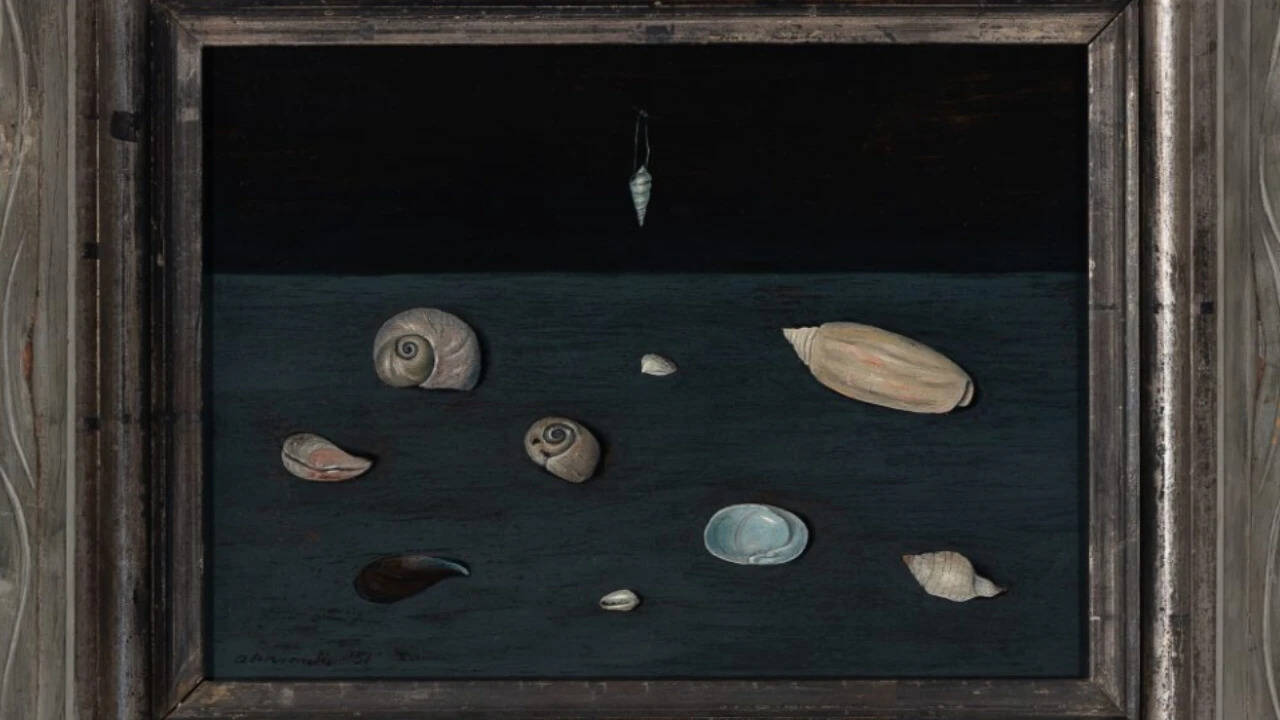
The canvas in question was Alderman Merriam's Shells, painted in 1951 by the inimitable Chicago surrealist Gertrude Abercrombie. By the time the piece made its way to Freeman’s auction house in New York, initial presale expectations pegged its ceiling at a respectable $250,000. Even that projection felt like a triumph for a forgotten mid-century relic. Reality, however, routinely mocks conservative auction estimates. When the hammer finally fell, the painting commanded a staggering $1.35 million, obliterating previous auction records for the artist and rewriting the economics of accidental fine art discovery. You might also find this similar article interesting: What the High Stakes US and China Talks Mean for Global Markets.
To understand how a thirty-dollar hallway impulse buy transforms into a seven-figure asset, one must look past the romantic veneer of the "lucky picker" myth. Luck is merely the intersection of preparation and historical oversight. Abercrombie, a fixture of Chicago's bohemian scene during the mid-20th century, spent decades operating in the long, heavy shadows of the European surrealist movement. She was friends with Dizzy Gillespie and Max Ernst, a hard-drinking, jazz-loving eccentric who painted solitary landscapes populated by lonely moons, stark brick walls, and mysterious architectural fragments. For a long time, the commercial art market treated her output as regional curiosities rather than blue-chip investments.
That valuation model has undergone a violent correction over the past several years. As institutional galleries and major museums aggressively reevaluate mid-century American modernism, overlooked figures like Abercrombie have experienced a meteoric rise. Scarcity drives the high-end secondary market, and Abercrombie did not produce a massive volume of work. When a lost masterpiece vanishes for more than seven decades, the pent-up demand among institutional buyers and private collectors creates a pressurized environment. As highlighted in latest articles by Bloomberg, the results are widespread.
The provenance of Alderman Merriam's Shells adds a layer of historical irony that money alone cannot buy. In early 1952, Abercrombie did not sell the painting to a wealthy patron or a high-end gallery. She traded it directly to a Kalamazoo physician, Dr. John T. Reynolds, as payment for medical services. In the mid-century ecosystem, artists frequently bartered canvases to keep themselves afloat. The painting hung quietly in private hands, slipping entirely out of public consciousness after a brief exhibition circuit in the early 1950s. It sat there through changing economic eras, cultural shifts, and the gradual redefinition of American art history, until the physician's estate was cleared out.
Most casual estate sale attendees would have walked past the canvas without a second glance. The muted tones and stark composition of Abercrombie’s work do not scream for attention in the way splashy abstract expressionism might. But the buyer possessed that crucial, unquantifiable asset: visual literacy. Spotting a familiar signature or recognizing the distinct psychological weight of an Abercrombie composition separates the professional picker from the weekend browser. Upon noticing the signature, the buyer contacted experts who quickly authenticated the work, tracing its lineage back to the Chicago alderman who originally owned the shells depicted in the painting.
The subsequent auction success at Freeman's reflects a broader transformation in how contemporary capital views historical market corrections. Wealthy collectors are increasingly hunting for alternative asset classes with authentic narratives. A painting with a paper trail connecting a bohemian surrealist, a medical barter system, and a dusty Michigan estate sale offers a narrative richness that newly minted contemporary art simply cannot manufacture. It is a tangible piece of Americana wrapped in psychological mystery.
Stories like this serve a dual purpose in the modern cultural economy. They fuel an endless fantasy for amateur treasure hunters who comb through thrift stores and garage sales hoping to find a lost master hidden behind a floral print. Yet they also expose the deep inefficiencies that still plague the secondary art market. Millions of dollars worth of cultural heritage remain tucked away in suburban basements, waiting for the right pair of eyes to notice what generations of heirs and estate liquidators missed entirely.
The hammer price of $1.35 million is not merely a testament to Abercrombie's enduring genius. It is a stark reminder that the history of art is still being rewritten in real-time, often in the dim light of an ordinary hallway sale where history hides in plain sight.
This video provides a relevant look at rare collectibles and vintage finds similar to unexpected estate sale discoveries.