Movie theater business models do not rely on ticket sales to generate profitability. The box office serves primarily as a customer acquisition vehicle, where exhibitors return the majority of ticket revenue back to film distributors through sliding-scale licensing agreements. The primary economic engine of any major exhibitor is the concession stand, which commands gross margins frequently exceeding 80%.
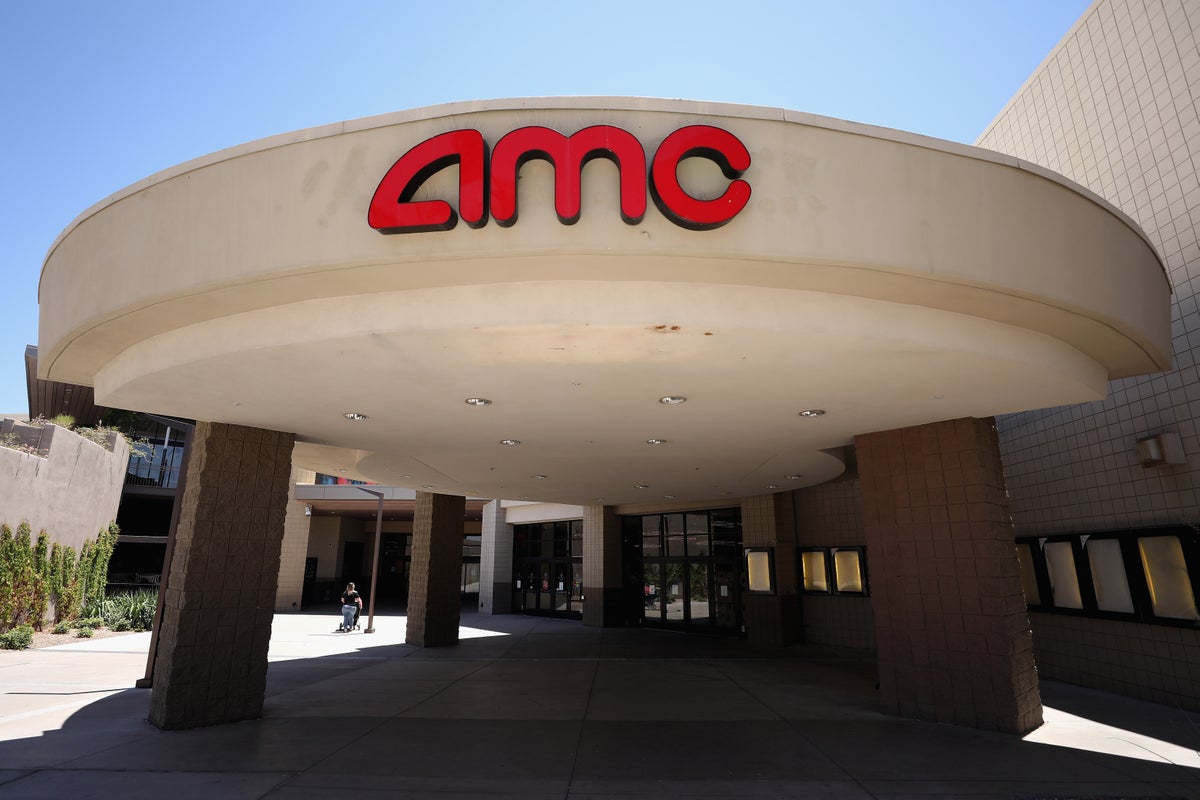
AMC Theatres’ nationwide expansion of its Feature Fare menu across more than 400 domestic locations highlights a structured shift in unit economics. By deploying hot food assets like Street Corn Poppers, Hot Honey Sausage Pizza, Popcorn Chicken, and Dill Pickle Pretzel Bites, AMC is executing a margin-maximization strategy. This operational playbook is designed to solve a fundamental structural vulnerability: the flattening of per-patron spend on traditional, low-overhead concession items like popcorn and fountain drinks.
The Strategic Framework of Concession Optimization
To understand why AMC is introducing complex hot items like a 1.5-pound Dill Pickle Bavarian Legend pretzel or Pringles Mingles Jalapeño Queso, the theatrical exhibition model must be deconstructed into its core operational variables. Exhibitors rely on a simple equation to drive enterprise value:
$$Total Concession Revenue = Attendance \times Capture Rate \times Average Spend Per Patron$$
While AMC cannot dictate box office attendance—which remains entirely dependent on studio release schedules—the company can exert precise operational control over the capture rate and the average spend per patron.
The Feature Fare menu expansion addresses three critical financial levers.
The Margin Substitution Effect
Traditional concession staples like popcorn carry exceptionally low cost of goods sold (COGS), but they face strict psychological pricing thresholds. A consumer may refuse to pay more than ten dollars for puffed corn, creating a hard ceiling on average spend. By transitioning the menu toward "craveable" hot foods and co-branded premium retail snacks (such as Cheez-It Snack Mix or Snickers Peanut Butter Ice Cream Bars), AMC reclassifies its inventory.
Purchasing a hot meal or a trendy, limited-time flavor profile repositions the transaction from an inflated snack purchase to a substitute for a fast-casual dinner. This shifting baseline allows AMC to command higher absolute dollar margins per transaction, even if the gross margin percentage on hot food is lower than that of raw popcorn.
Operational Velocity and Shrinkage Mitigation
Amusement and hospitality sectors face a structural bottleneck at the point of sale during peak arrival windows. If a menu introduces preparation delays, transaction velocity drops, leading to abandoned queues and lost revenue.
The items selected for this nationwide rollout reflect strict operational constraints. Popcorn chicken, pretzel bites, and street corn poppers are pre-portioned, high-velocity items. They require minimal assembly, can be rapidly held or heated using existing kitchen infrastructure, and are fundamentally designed as "handhelds"—meaning they require no utensils and can be consumed in a darkened auditorium without disrupting the viewing experience. This minimizes labor complexity while protecting throughput.
Product Lifecycle and External Footprint Capture
A significant percentage of theater patrons engage in "leakage," purchasing meals at surrounding fast-casual restaurants before entering the theater. AMC's hot food menu is a direct counter-strategy to capture this pre-movie dining spend.
By aligning the menu with modern flavor trends—specifically the current consumer demand for "swicy" (sweet and spicy) profiles like hot honey and acidic, high-flavor profiles like dill pickle—AMC targets the exact demographic profiles driving fast-casual dining growth.
The Operational Cost Function of Hot Food Expansion
Every menu diversification introduces operational friction. While a national press release highlights consumer choice, an internal corporate analysis must account for the logistical burdens placed on individual theater nodes.
[Supply Chain & Logistics] ──> [Cold Chain / Back-of-House Storage] ──> [Point of Sale Inventory Velocity]
The introduction of these specific menu items establishes an optimization problem across three main operational cost centers.
- The Cold Chain Dependency: Traditional candy and popcorn require climate-controlled dry storage. Hot items, specifically meat-topped pizzas and frozen chicken bites, necessitate an uninterrupted cold chain from regional distribution hubs directly to the theater's back-of-house freezers. This increases utility overhead and limits storage capacity for legacy items.
- Labor Reallocation: Preparing hot food items demands a higher labor-hour-to-volume ratio than scooping popcorn. Employees must manage oven timers, monitor food safety temperatures, and handle hot surfaces. If patron volume spikes rapidly 15 minutes before a blockbuster screening, labor must be dynamically shifted from ticket scanning or cleaning to culinary execution, risking operational bottlenecks elsewhere in the facility.
- Waste and Predictability Risks: Popcorn kernels have a functional shelf life measured in months, and popped corn can be discarded with minimal financial penalty. Thawed or cooked hot components carry strict expiration windows measured in hours. If a theater miscalculates attendance for a Tuesday evening screening matinee, the physical waste of cooked pizzas and street corn poppers directly erodes the location's net operating income.
Strategic Forecast and Vulnerabilities
AMC's Feature Fare initiative represents a necessary evolution as theatrical exhibition adapts to permanent shifts in consumer behavior. The legacy model of relying on a high volume of low-paying patrons is being replaced by a model that prioritizes extraction efficiency per attendee.
The success of this strategy hinges on a critical macroeconomic assumption: that consumer willingness to pay inside a premium experiential environment will remain inelastic during periods of broader discretionary spending pressure. If the absolute cost of an evening at the theater—comprising a premium large-format ticket, a hot food item, and a beverage—crosses a psychological threshold, the consumer response may not be a reversion to buying popcorn. Instead, it may trigger total drop-out from the theatrical ecosystem in favor of home streaming alternatives.
The second operational threat is brand dilution. As AMC increasingly adopts the menu architecture of a fast-casual sports bar or a convenience hub, it must maintain the core atmospheric expectations of a premium cinema. Heightened food odors in auditoriums, greasy seats, and increased trash volume require a commensurate increase in floor staff allocation.
AMC’s long-term enterprise health depends on whether the incremental revenue generated by a hot honey sausage pizza can outpace the rising labor and operational maintenance costs required to serve it. The expansion across 400 locations confirms that initial pilot data supports the thesis, but the true test of this capital allocation will be visible in the concession spend per patron metrics over the upcoming peak summer box office quarters.