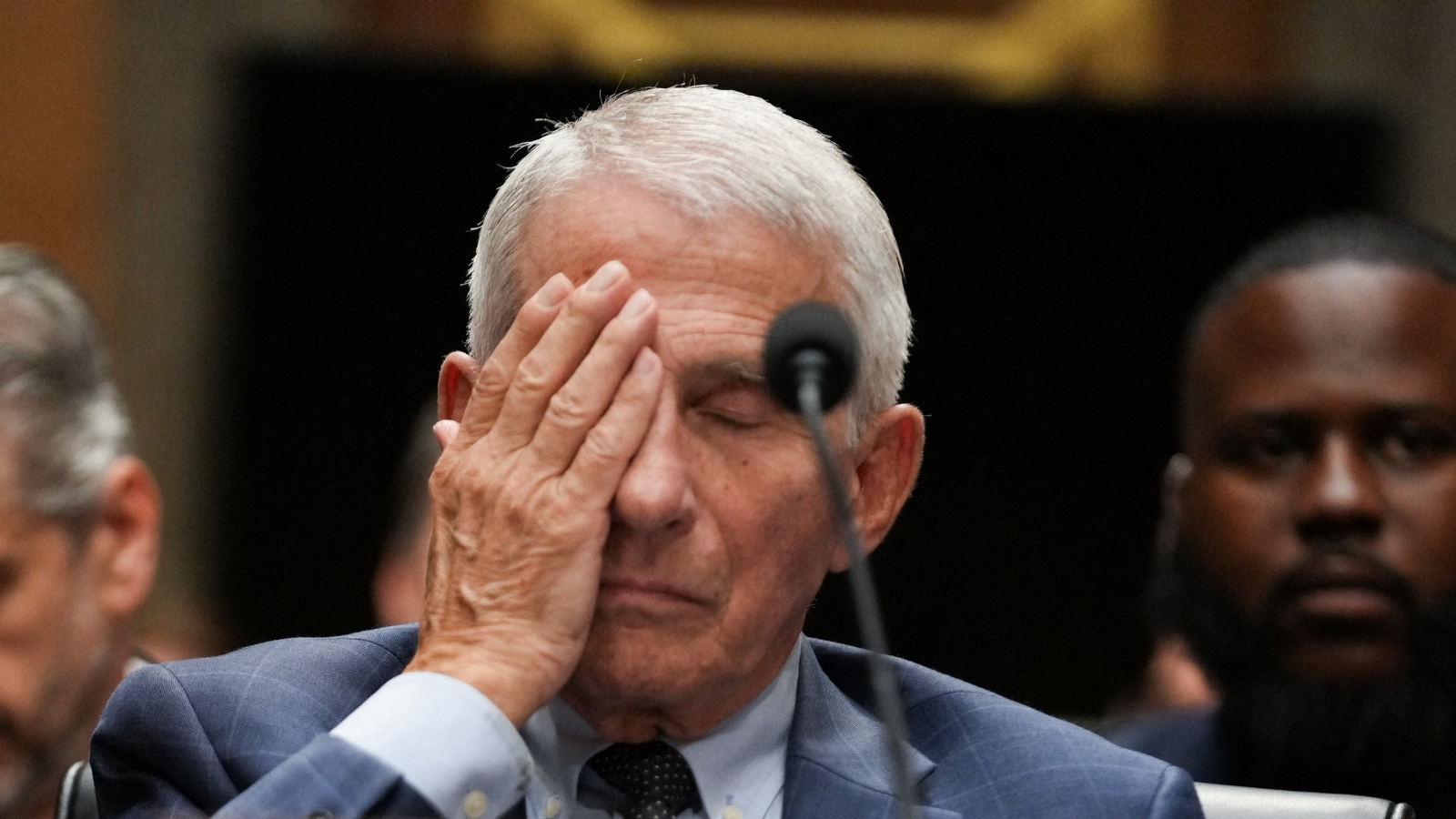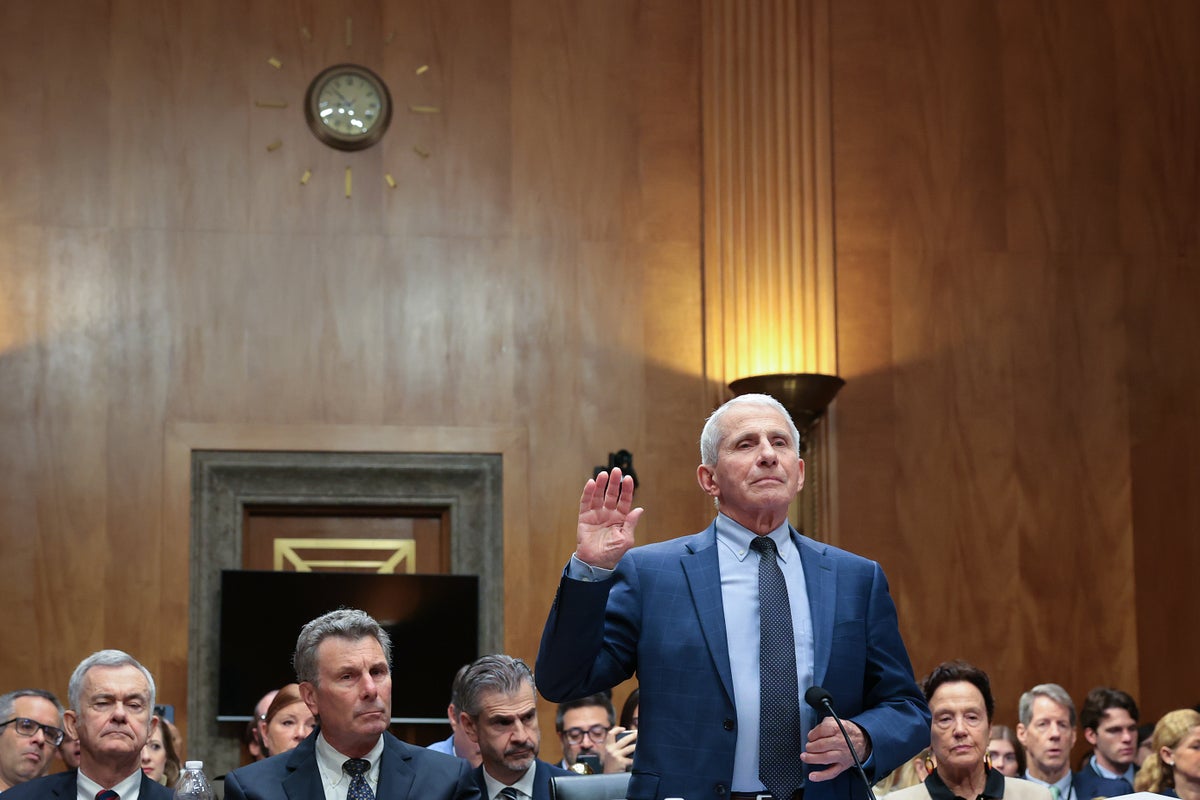
Political gridlock rarely produces genuine television moments anymore. Usually, congressional hearings feel like scripted theater where politicians read polling data off printed pages while bureaucrats offer practiced, evasive non-answers. Then came Republican Senator Bernie Moreno. Stepping up to question former top federal health official Dr. Anthony Fauci regarding the sweeping decisions made during the COVID-19 pandemic, Moreno didn't just push back. He dropped an explicit expletive on live television, shattering the sterile, polite norms of Capitol Hill decorum.
People are tired. Millions watched the clip circulate within minutes across social media, not because of the profanity itself, but because it mirrored the raw frustration felt by everyday citizens. For years, ordinary people dealt with business closures, missed family funerals, and confusing mandates handed down by unelected federal officials. When Moreno bypassed diplomatic pleasantries to confront Fauci directly, he tapped into a deep reservoir of public anger that has simmered since 2020. If you liked this piece, you might want to check out: this related article.
The Real Breakdown of Trust in Public Health
To understand why this confrontation matters, you have to look past the cable news soundbites. Trust isn't lost overnight. It erodes slowly through shifting guidelines, closed-door decisions, and a perceived lack of accountability from public servants who never missed a paycheck while small businesses collapsed.
When senators question institutional leaders like Fauci, the core issue rarely boils down to a single policy choice. It comes down to transparency. Citizens want straight answers about how decisions were funded, why certain mandates were enforced despite changing scientific data, and whether government bodies overstepped their constitutional authority. For another angle on this development, check out the latest coverage from NBC News.
Here is what most mainstream coverage misses:
- Economic Fallout: Millions of small business owners faced financial ruin while big-box retailers stayed open.
- Scientific Dogmatism: Public health guidance often treated dissenting scientific opinions as dangerous misinformation rather than subjects for open debate.
- Bureaucratic Immunity: High-ranking officials rarely face direct personal or professional consequences for flawed projections or heavy-handed restrictions.
Why Raw Emotion Resonates More Than Policy Papers
Washington runs on sanitized language. Politicians use terms like "challenging circumstances" or "unprecedented times" to soften the blow of systemic failures. That insulation is precisely why a senator swearing on live television struck a nerve. It felt real.
When you watch a family member struggle to get answers from a bureaucratic agency, you realize that polite institutional jargon protects the institution, not the individual. Moreno throwing out the rulebook and speaking bluntly bridges the gap between Washington insiders and the people living with the consequences of their policies.
Some critics argue that profanity lowers the level of political discourse. They claim elected officials should maintain a veneer of calm statesmanship at all times. But that argument ignores reality. Calm statesmanship has often been used to glaze over major institutional missteps without offering genuine solutions or apologies to the public.
What Accountability Actually Looks Like Going Forward
If congressional oversight is going to mean anything moving forward, it has to move past viral moments and into structural reform. Shouting matches make great television, but they don't rewrite federal emergency powers or fix broken public health agencies.
You need to look at how future health crises are managed. This means demanding strict oversight boards, limiting the unilateral emergency powers of executive agencies, and ensuring that scientific data remains open to independent peer review from day one. Without these concrete policy changes, explosive committee hearings remain nothing more than theatrical outlets for public frustration.
Pay attention to how these committee hearings translate into legislative action. Watch for bills aimed at reforming emergency powers and funding transparency. Demand that your local representatives push for clear boundaries on executive authority during public health emergencies. Stop accepting vague explanations from leaders who treat accountability as optional. Real change starts when voters refuse to let these hard questions fade into the background.