Walk past a stretch of brick rowhouses in the Bronx and you might expect to see stoops, curtains, and mailboxes. Instead, some of those "homes" hide high-voltage equipment pumping out hundreds of megawatts of electricity.
Con Edison’s $300 million Bronx substation project—which opened in 2007 and houses two substations delivering 900 megawatts of combined capacity—is now tied to a newly approved $47.3 million upgrade. Approved by the New York Public Service Commission (PSC) in June 2025, the Bronx work adds a fifth 138/13 kV transformer at the Parkchester No. 1 substation along with a new 138 kV feeder supplied from the East 179th Street substation.
If you're wondering why a nearly 20-year-old facility disguised as residential architecture is back in the headlines, the short answer is load growth. Electric vehicles, commercial fleet charging, and electrified buildings are pushing neighborhood circuits harder than planners a decade or two ago ever modeled for daily peak demand.
How a Rowhouse Disguise Solves a Real Grid Problem
People love the novelty of utility camouflage. Househunters have reportedly mistaken disguised Con Edison structures for condos, and honestly, it's hard not to smile at the visual trick. Behind facades built to echo classic New York rowhouses sit transformers, switchgear, and cooling systems that would otherwise look like an industrial plant dropped onto a dense city block.
Still, let's be real: a pretty brick or precast facade doesn't change the laws of physics. Heat still builds up inside transformers. High-voltage lines still need strict clearances, sound attenuation, and fire protection. Disguising a substation helps utilities navigate neighborhood pushback and visual clutter, yet the engineering guts inside still have to do heavy-duty work every single day.
In dense urban areas, land is scarce and opposition to industrial structures is fierce. Blending into the surrounding streetscape makes siting far less contentious than putting bare steel towers and open yards next to apartments and local businesses. Once the novelty wears off, though, the real test is whether the equipment behind those walls has enough headroom when summer heatwaves and charging peaks hit at the same time.
What the $47.3 Million Upgrade Actually Changes
When you hear "$47.3 million upgrade," it's easy to picture cosmetic work or minor maintenance. That isn't what's happening here.
Under the June 2025 Public Service Commission order, the Bronx project targets capacity bottlenecks tied to projected demand growth around Zerega Avenue and Hunts Point. Specifically, it pairs a fifth 138/13 kV transformer at Parkchester No. 1 with a new 138 kV feeder coming from the East 179th Street substation.
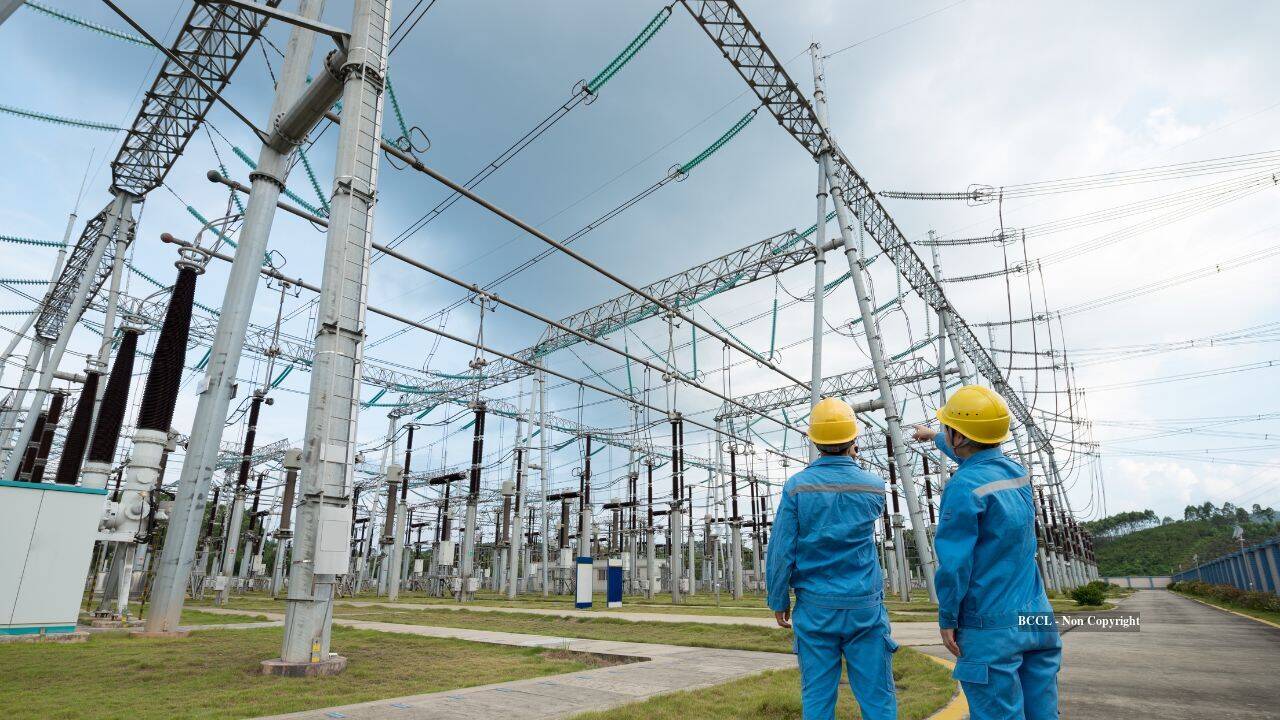
- Higher transformation capacity: Adding a fifth 138/13 kV transformer steps down high-voltage transmission power to local distribution voltage with more margin when demand spikes.
- A dedicated feeding path: Running a new 138 kV feeder from East 179th Street helps move power where growing commercial and residential loads are converging.
- Targeted relief near growth zones: Focusing on areas like Hunts Point and Zerega Avenue addresses places where electrification—especially fleet and commercial charging—adds steady, heavy draw.
Why Electrification Forces Second-Wave Grid Spending
A lot of coverage treats electrification like flipping a switch: buy an EV or swap out a boiler, cut emissions, done. Out in the real world, distribution grids don't work like that.
Traditional urban distribution networks were sized around historical consumption patterns, seasonal peaks, and incremental neighborhood growth. When you add fast chargers, depot charging for delivery vehicles, and electric space or water heating across densely populated areas, local transformers and feeders see sustained loads that stress older equipment.
Look at the broader picture from the June 2025 PSC order. The Bronx work was approved alongside a slate of 29 urgent upgrade projects across New York State, reflecting a wider reality: keeping service reliable while supporting building electrification and EV charging takes serious upfront capital. Con Edison has also pointed to multi-year capital plans—including expectations of roughly $7.5 billion over a five-year stretch noted in reporting on the order, and a larger $37.2 billion distribution investment program with expanded substation plans through 2035 reported by Transformer Magazine.
I've seen plenty of infrastructure debates get bogged down in either hype or cynicism. The truth sits right in the middle. You can support clean energy goals and still admit that upgrading 138 kV feeders and transformers inside tight city neighborhoods is expensive, slow, and complex. There's no magic software patch for physical copper, steel, and substation bays.
Common Misconceptions About Disguised Substations
- Myth: A residential facade means the building is quiet or harmless to approach. Behind the brick or concrete panels sits high-voltage electrical infrastructure. Security perimeters, clearances, and utility rules exist for safety, not to keep out curious pedestrians.
- Myth: A 2007 build means the site was overbuilt for decades. Even a 900 MW combined setup built nearly twenty years ago runs into shifting local load pockets over time. Demand doesn't grow evenly across every block; it clusters around industrial hubs, transit corridors, and new charging sites.
- Myth: Approval ends the work. Regulatory approval from the Public Service Commission clears a major hurdle, yet engineering, procurement, construction, and energization still take real execution.
How to Track Grid Upgrades Like a Pro
If you follow urban policy, real estate, commercial fleet operations, or energy markets in New York, watching substation approvals gives you an early read on where power constraints—and investments—are heading.
- Read the PSC order details, not just headlines: Look past dollar totals to see the exact voltage classes, transformer additions, and neighborhoods named—such as 138/13 kV transformers, 138 kV feeders, Parkchester No. 1, East 179th Street, Zerega Avenue, and Hunts Point.
- Check load-growth drivers around your site: If you're planning commercial EV charging or major building electrification near industrial or logistics corridors, ask early about local feeder and transformer capacity rather than assuming existing service can handle peak draw.
- Separate architecture from capacity: Architectural camouflage helps infrastructure fit the block, while transformers and feeders determine how much actual power reaches customers. Watch both when evaluating how cities adapt to rising electric demand.