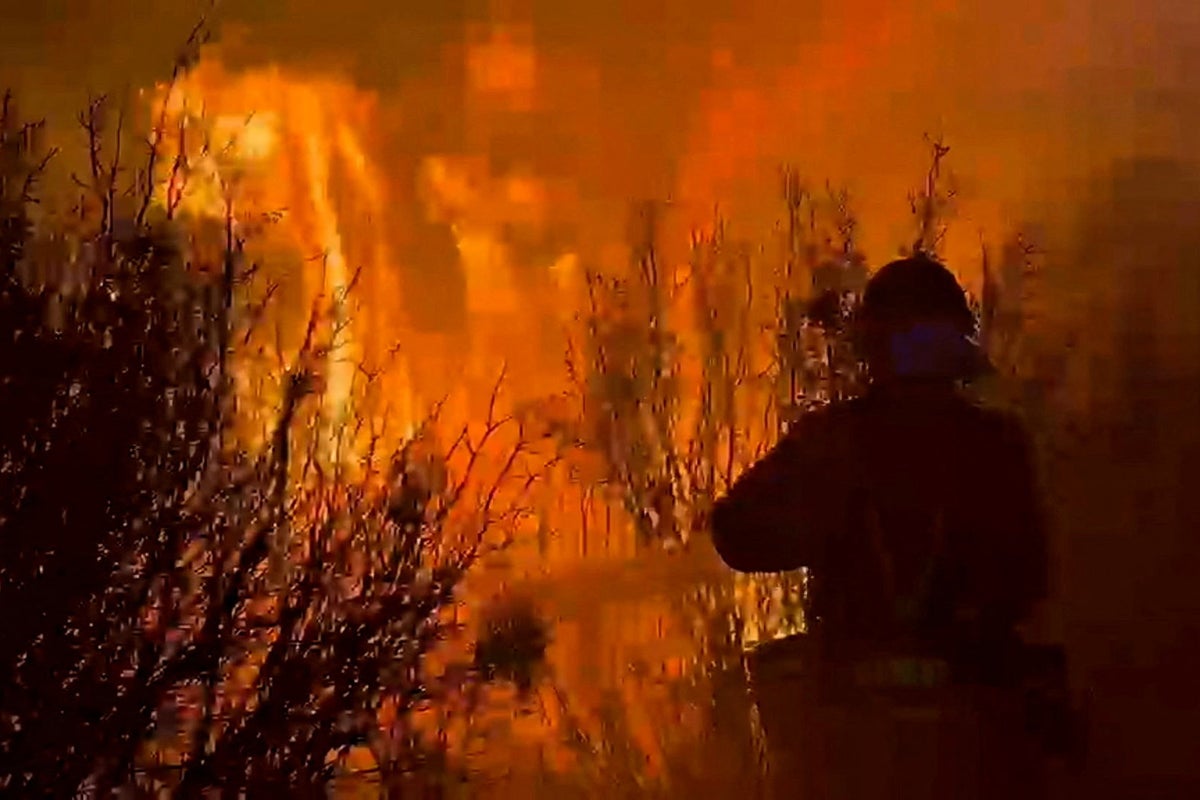
Southern Europe is burning at a rate that far outpaces historical precedents, yet the official response remains trapped in a reactive cycle of temporary evacuations and emergency declarations. In France, recent blazes forced over 20,000 people from their homes across the Gironde and southeastern regions, while temperatures exceeding 40 degrees Celsius in Spain triggered megafires that scorched more than 100,000 hectares before peak summer even arrived. The headline numbers tell a story of extreme heat and sudden displacement. They mask a far more uncomfortable reality. The real driver of this escalating disaster is not just rising temperatures, but decades of flawed land management, rural abandonment, and structural underfunding of preventive forestry.
Emergency crews are fighting fires with methods designed for a different era. As heatwaves become longer and more frequent across the continent, the gap between suppression capability and fire intensity is growing wider.
The Flaw in Europe's Emergency Response Strategy
For decades, European wildland fire management centered on immediate suppression. The goal was straightforward: extinguish every fire as fast as possible. While this approach saved property in the short term, it created a dangerous ecological debt. Without small, natural fires or controlled burns to clear underbrush, dead wood, dry grass, and dense vegetation accumulated across millions of acres of forest.
Now, when a ignition occurs during a 40-degree heatwave, the available fuel load creates fires so intense that standard water drops and ground crews cannot control them. Firefighters call this the suppression paradox. The more successful you are at putting out small fires over thirty years, the more explosive the landscape becomes when a fire finally escapes control.
In the Gironde region of France, forest structures have compounded the risk. Monoculture pine plantations, planted extensively for timber, carpet the territory. Maritime pine resin burns with extreme volatility. When dry winds sweep across the region, flames travel through the canopy at terrifying speeds, jumping firebreaks and overwhelming traditional defenses.
The Deadly Toll on First Responders
The physical limits of firefighters are being tested beyond safe operational parameters. In Gironde, two firefighters lost their lives when shifted winds trapped their vehicle in an instant inferno. Incidents like this are becoming increasingly frequent across Southern Europe.
Equipment is running hot. Crews are working 24-hour rotations in extreme heat, leading to severe physical exhaustion and heat-induced cognitive fatigue. Fire services across France, Spain, and Portugal report critical shortages of specialized off-road water tenders and aerial tankers. When multiple megafires break out simultaneously across different provinces, national aerial fleets are stretched thin, forcing local authorities to make impossible choices about which valleys to defend and which to abandon to the flames.
Rural Abandonment and the Loss of Natural Firebreaks
To understand why fires spread so fast today, one must look at demographic shifts across Southern Europe over the last half-century. Historically, pastoral farming, livestock grazing, and small-scale agriculture maintained natural clearings around towns and villages. Goat and sheep herds cleared dry underbrush, while farmers regularly harvested timber and cleared dead vegetation for fuel.
As young populations migrated to urban centers, vast swathes of rural land were abandoned. Former pastures reverted to unmanaged scrubland and dense brush, creating uninterrupted corridors of highly flammable material right up to the edge of residential communities.
- Loss of Traditional Grazing: Shrubs and invasive brush grow unchecked along forest borders.
- Unmanaged Private Woodlands: Millions of small forestry plots lack active management, leaving thick layers of fuel on the forest floor.
- Expanding Wildland-Urban Interface: Residential developments continue to creep into forested areas without adequate defensive perimeters.
When a spark lands in these unmanaged zones—whether from a barbecue, discarded cigarette, or electrical fault—it finds ideal conditions for rapid expansion. Authorities in France noted that nine out of ten wildfires stem from human activity. Yet human activity is only half the equation; the unmanaged land provides the gunpowder.
The Economic Realities of Prevention vs Suppression
Governments consistently spend billions of euros on emergency response, aerial water bombers, and disaster relief following megafires. Yet funding for preventive forestry, firebreak maintenance, and controlled winter burning remains a tiny fraction of total disaster budgets.
Consider a hypothetical regional council with a 50 million euro emergency budget. Typically, over 80 percent of those funds go directly to reactive equipment, fuel, overtime pay for emergency personnel, and post-disaster insurance payouts. Less than 10 percent goes toward winter brush clearing, training forestry workers, or supporting local farmers who maintain defensive agricultural zones around settlements.
This financial imbalance is politically driven. A fleet of water-dropping aircraft making low passes over a burning forest provides visible, dramatic proof of government action. Winter brush clearing by a crew with chainsaws generates no headlines. Yet forestry experts agree that every euro spent on preventive fuel reduction saves up to seven euros in suppression costs and property damage down the road.
Structural Fire Prevention Failure Across the Mediterranean
Spain's central province of Guadalajara experienced fires that torched over 32,000 hectares in a single outbreak. In Spain overall, burnt area exceeded 100,000 hectares before late July—a figure that matches the entire decade's annual average. These statistics demonstrate that current prevention frameworks are failing under the pressure of changing climate baselines.
National policies have failed to adapt to longer fire seasons. Fire season in Southern Europe used to span six weeks from mid-July to late August. Today, extreme fire danger stretches from May through October. Emergency services structured around seasonal contracts find themselves undermanned when fires break out early in the spring or late in the autumn.
Rethinking Forest Architecture and Community Defense
Fixing this systemic crisis requires an immediate shift in policy, moving away from pure suppression toward long-term land restructuring.
First, monoculture timber forests must be systematically converted into mixed-species woodlands. Deciduous trees like oak and chestnut burn much slower than pine or eucalyptus, acting as natural fire retardants within the landscape.
Second, governments must financially incentivize pastoral farming in high-risk zones. Subsidy programs should directly pay livestock owners to graze herds along strategic corridors, maintaining permanent fuel breaks around vulnerable towns.
Third, building codes in wildland-urban interface areas must be strictly enforced. Hard perimeter rules—requiring a 50-meter cleared defensive zone around any structure adjacent to woodland—must be mandatory, with non-compliance carrying significant financial penalties.
Without these structural overhauls, European nations will continue to throw hundreds of millions of euros at an escalating threat they cannot suppress with water alone. The flames in France and Spain are a warning signal. The choice is simple: fundamentally restructure how land and fire are managed, or continue watching communities burn year after year.