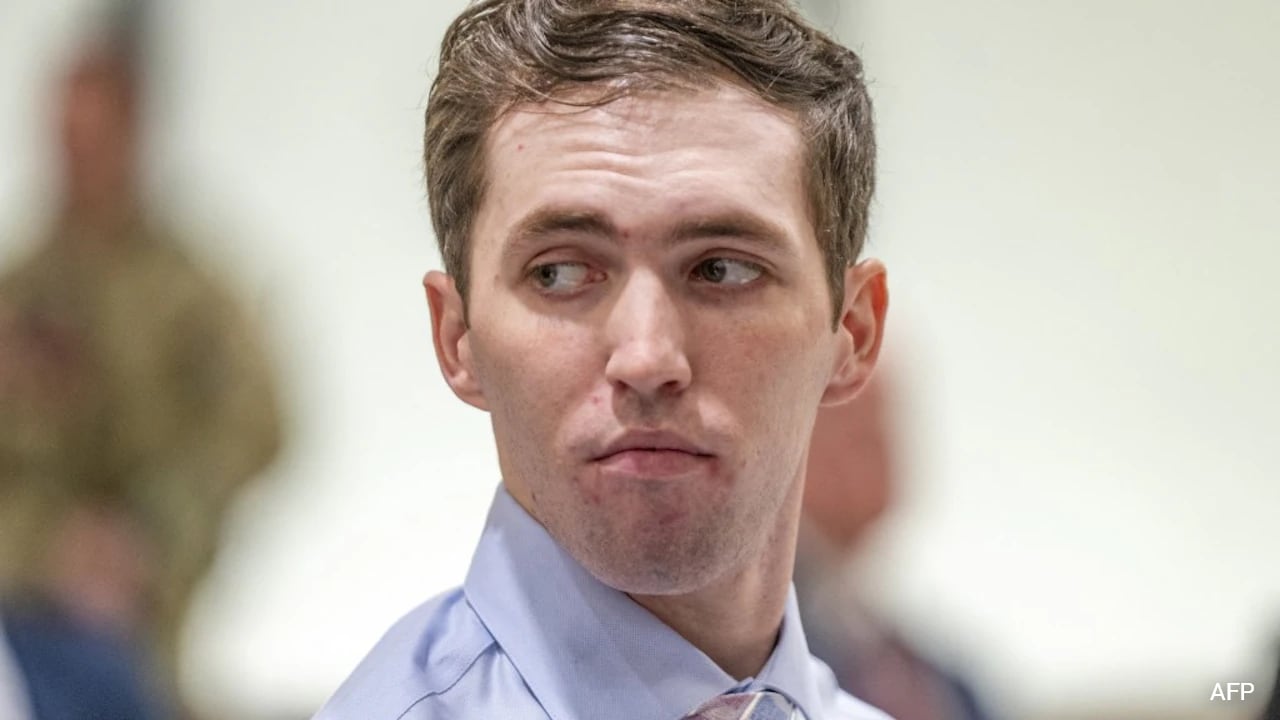
The courtroom in Provo, Utah was dead silent when the security footage played. You could hear a pin drop. On screen, a grainy figure crawled flat on his stomach across the rooftop of a building at Utah Valley University. Prosecutors say that figure is 23-year-old Tyler Robinson, freezing in a sniper's perch just moments before firing a single, fatal round into the neck of conservative activist Charlie Kirk. It was a heavy, emotional climax to a grueling week of preliminary testimony. Yet, despite four days of intense arguments and what the state calls overwhelming proof, State District Judge Tony Graf didn’t immediately send the case to trial. Instead, the court delays decision on murder trial over Charlie Kirk killing proceedings until September 1, giving both sides time to submit additional written briefs.
If you think this delay is just standard bureaucratic foot-dragging, you're missing the bigger picture. In high-profile capital murder cases, speed is the enemy of a clean conviction. Judge Graf knows the entire country is watching this case. He understands that any rushed ruling could open the door for a messy appeal down the line. By pushing his decision to September, the judge is forcing both the prosecution and the defense to lock in their arguments early. It's a calculated legal pause. It gives everyone a chance to breathe, but it also raises the stakes for what is shaping up to be one of the most politically charged trials of the decade.
Why Judge Tony Graf Stopped Short of an Immediate Trial Order
A lot of people watching from the gallery expected an immediate decision when the preliminary hearing wrapped up. Prosecutors spent days laying down a massive trail of physical and digital evidence. They showed text messages, displayed DNA analysis, and played audio recordings. To the casual observer, it looked like an open-and-shut case for probable cause.
But the legal system doesn't work on vibes.
A preliminary hearing isn't the actual trial. Its only job is to figure out if there's enough basic evidence to justify holding a full trial. Usually, judges rule on this right from the bench. Judge Graf’s decision to wait until September 1 shows he isn’t taking any chances. He wants the legal arguments spelled out in black and white text briefs before he makes his official move.
This timeline gives the defense team a crucial window to refine their attacks on the state's evidence. It also means Robinson will remain held without bail while his lawyers try to chip away at the prosecution's narrative. For Kirk's family, including his widow Erika and his mother Kathryn, it means another long month of painful waiting. They sat through days of horrific details, watching zoomed-in loops of the rooftop video with red circles marking the alleged killer. They want justice, but the court is making sure every single legal t is crossed.
Inside the Evidence That Prosecutors Call Devastating
Chief Deputy Utah County Attorney Chad Grunander didn't mince words when the hearing ended. He called the state's evidence against Robinson devastating. When you look at what the prosecution put on the record, it's easy to see why they feel so confident.
The physical trail starts in a wooded area right near the Utah Valley University campus. That’s where investigators found a rifle wrapped tightly in a towel. Inside that weapon was a spent cartridge case alongside three live rounds. The live ammunition carried a chilling detail. Someone had used a tool to etch messages directly into the metal. One bullet read, "Hey fascist! Catch!"
Investigators later searched Robinson’s home and found a Dremel rotary tool. Forensic experts testified that the marks on the bullets matched the type of work a Dremel does.
Then came the digital footprint. The state presented text messages sent from Robinson to his domestic partner shortly after the September 10 shooting.
"I am still okay, my love, but I'm stuck in Orem for a little while longer yet," the message read, according to testimony from Agent Brian Davis of the Utah State Bureau of Investigation. "Shouldn't be long until I can come home, but gotta grab my rifle still. To be honest, I had hoped to keep this secret till I died of old age. I am sorry to involve you."
On top of the texts, prosecutors played a recorded interview with Robinson’s former roommate, Lance Twiggs. In that recording, Twiggs told investigators that Robinson admitted to the shooting the very next day, saying he wished he hadn't done it. Robinson turned himself in to the authorities shortly after that conversation.
The Defense Strategy of Sowing Reasonable Doubt Early
Faced with a mountain of forensic data, Robinson’s defense lawyers didn't try to offer an alternative theory about who shot Kirk. They didn't claim someone else was on that roof. Instead, they focused entirely on tearing down the reliability of the state’s science.
Defense attorney Michael Burt went straight after the DNA evidence. He spent hours questioning Caitlin Oliver, a forensic biologist with the Bureau of Alcohol, Tobacco, Firearms and Explosives. Burt pushed a theory known as secondary transfer. He asked if it was possible for one person's DNA to end up on a weapon simply because they shook hands with someone else who then touched the gun.
The biologist admitted that it was technically possible.
Burt also forced the expert to admit that government testing policies don't claim DNA analysis is completely infallible. He wanted the court to hear that there is no such thing as a zero error rate in these labs. By doing this, the defense is laying down the groundwork for the actual trial. They don't need to prove Robinson is innocent right now. They just need to show that the tools used to tie him to the crime weapon are flawed.
They also targeted the bullet engravings. The defense argued that matching the etched messages to Robinson's Dremel tool was based on subjective visual observations rather than hard, objective science. It's a classic defense strategy. You don't fight the narrative; you fight the data.
How the Rooftop Sniper Surveillance Video Shook the Courtroom
The emotional peak of the entire week happened because of a special request from Kirk's family. They wanted the public gallery to see an altered, zoomed-in version of the campus security video. The judge allowed it.
The footage showed the rooftop of a campus building on that bright September afternoon. The camera captured a figure moving quickly across the roof, then dropping down to a low crawl as he neared the edge. It was from this specific vantage point that the single bullet was fired, striking Kirk in the neck while he spoke to a crowd of thousands at his political event.
Sitting in the front rows, Erika Kirk and Kathryn Kirk held onto each other tightly. Kathryn wept quietly while the video played. Erika kept her eyes glued to the screen, watching the figure drop into position. They didn't look away until the clip finally cut out.
Robinson sat at the defense table during all of this, dressed in court attire, listening quietly. He chose not to testify during the hearing, following the explicit advice of his legal team. He has still not entered a formal plea to the charges.
The Path to September First and What It Means for the Death Penalty
The stakes in this case couldn't be higher. Robinson is charged with aggravated murder. Under Utah law, prosecutors can pursue the death penalty if there are specific aggravating circumstances.
The state argues they have two clear aggravating factors here. First, the shooting happened at a crowded university event, which naturally endangered thousands of other innocent bystanders. Second, they argue Robinson intentionally targeted Kirk because of the activist's high-profile political views. Robinson's roommate mentioned to investigators that the defendant frequently talked about politics and held intense views regarding local and national figures.
Because the death penalty is on the table, Judge Graf is handling every motion with extreme care. The upcoming September 1 date isn't just a deadline for paperwork. It's the moment the judge decides if the state's case is strong enough to move toward a capital trial.
Between now and then, both legal teams will write extensive briefs arguing over the validity of the Discord chat logs, the roommate's taped statements, and the DNA transfer theories. If you are tracking this case, don't look for quick headlines over the next few weeks. The real battle is happening quietly in written legal filings. The next major step falls squarely on September 1, when the court finally decides if Tyler Robinson will face a jury—and potentially the executioner.