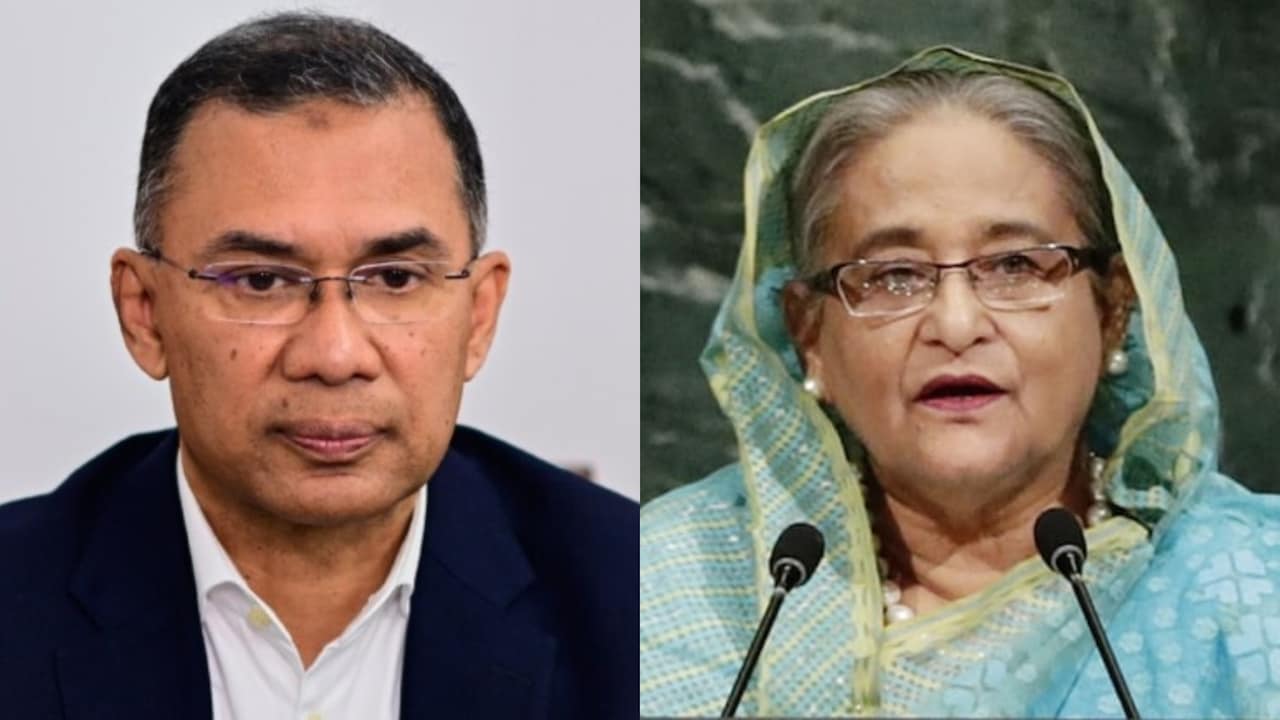
Geopolitical realignment rarely follows a clean trajectory. When Prime Minister Tarique Rahman assumed office in Dhaka, diplomatic expectations anticipated a gradual recalibration of ties with New Delhi. Instead, bilateral statecraft has encountered a structural friction point centred on a single variable: the physical presence of ousted former leader Sheikh Hasina on Indian soil. Dhaka has formally signaled that a proposed bilateral visit will remain frozen until New Delhi demonstrates actionable movement on extradition requests. This dynamic illustrates how historical political asylum intersects with immediate state security imperatives, transforming a routine diplomatic exchange into a high-stakes test of regional reciprocity.
The breakdown of scheduling parameters for late August reveals the depth of the current diplomatic deadlock. While Indian and Bangladeshi channels initially weighed dates for a presidential or prime ministerial visit, public interventions by the ousted leader from within Indian borders altered the strategic environment. Foreign Ministry statements in Dhaka have emphasized that a propitious environment requires more than pleasant rhetoric. It demands legal and administrative compliance regarding fugitive proceedings.
To deconstruct this impasse, the diplomatic tension must be categorized into three distinct operational vectors:
The Legal Vector encompasses formal bilateral extradition treaties and the status of individuals convicted of crimes against humanity. Dhaka operates under the mandate of domestic court rulings carrying capital sentences, viewing the harbouring of convicts as an impediment to normalized state relations. Conversely, New Delhi evaluates the request through the lens of international humanitarian norms governing political asylum and non-refoulement. This structural divergence in legal interpretation creates an institutional bottleneck that neither foreign office can easily bypass through executive decree alone.
The Security Vector involves cross-border stability and intelligence cooperation. The recent visit by the chief of India's Research and Analysis Wing to Dhaka underscores the subterranean mechanics operating parallel to public posturing. Both capitals recognize that long-term security interdependence—ranging from energy grid synchronization to diesel supply chains and border management—cannot remain hostage to a single political exile. However, public platforms granted to the former premier inside India are interpreted by the administration in Dhaka as a direct tolerance of hostile political mobilisation.
The Domestic Legitimacy Vector dictates the constraints under which Prime Minister Rahman must operate. Having emerged from a political transition defined by intense popular uprisings, the current administration cannot be seen as pliable to foreign pressure without risking its domestic political capital. Conceding on high-profile extraditions or accepting visits without tangible concessions would signal weakness to a domestic constituency that demands accountability for past actions. Thus, the postponement of the August trip serves as a rational signal of resolve from Dhaka to its domestic stakeholders.
This strategic standoff highlights the limits of traditional neighborhood-first doctrines when regional leadership transitions coincide with unmanaged political exiles. New Delhi maintains that political asylum seekers and security threats must be evaluated separately, whereas Dhaka contends that the platform afforded to a convicted fugitive directly vitiates the bilateral atmosphere. Multilateral platforms, such as the upcoming regional summits and economic groupings, offer alternative venues for engagement, yet standalone state visits require a baseline of bilateral trust that is currently missing.
The immediate path forward depends on whether diplomatic channels can construct a procedural framework that satisfies Dhaka's demand for legal processing without violating New Delhi's foundational asylum protocols. Intelligence sharing and economic cooperation will continue via backchannel negotiations, but high-level state optics will remain constrained until the core variable of fugitive status undergoes a measurable shift. Both governments must pivot from reactive crisis management to institutionalized risk mitigation, establishing clear behavioral boundaries for political figures residing abroad to prevent future diplomatic stalls.