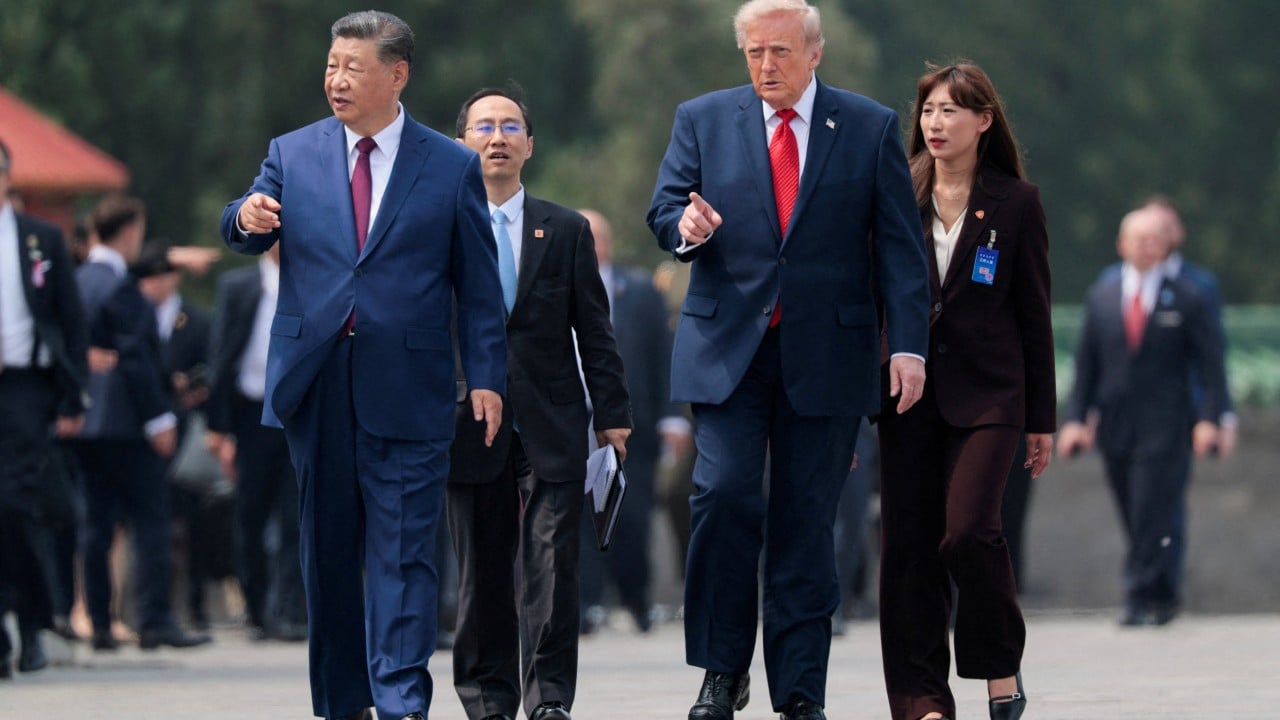
High-level bilateral summits operate within a strict architectural framework where protocol acts as a primary signaling mechanism. When a state visit incorporates personal, high-visibility engagements such as formal dinners or multi-tiered hosting arrangements between heads of state, the strategic objective extends far beyond conventional diplomatic pleasantries. Such mechanisms function as calibrated instruments designed to shape domestic political narratives, test negotiating baselines, and signal geopolitical alignment to secondary actors.
To deconstruct the mechanics of leadership-level hosting events like a planned summit between United States and Chinese leadership, one must examine the variables governing bilateral negotiations. Statecraft at this echelon relies on structured signaling, where the medium of engagement is often as critical as the policy outcome.
The Structural Hierarchy of Bilateral Engagements
Diplomatic interactions between major powers follow a strict taxonomy. Every engagement, from multi-lateral forums to bilateral state visits, serves a distinct function within a broader foreign policy matrix.
The initial tier consists of working-level negotiations. Bureaucrats, trade representatives, and deputy ministers manage technical specifics, draft communiqués, and identify red lines. This phase is characterized by low signaling noise and high technical specificity.
The secondary tier involves ministerial consultations. Here, political appointees evaluate areas of friction and assess whether sufficient alignment exists to warrant capital expenditure by top-tier executives.
The apex tier is the leadership summit. When heads of state convene, the operational constraints shift dramatically. Leaders do not negotiate micro-provisions of trade agreements or technical text; instead, they establish parameters of intent, resolve or bypass intractable bureaucratic impasses, and manage domestic political signaling.
Incorporating personal hosting events—such as state dinners or informal retreats—into an executive summit alters the cost-benefit calculus for both administrations. These venues provide a secure, low-exposure environment to test hypotheses regarding counterpart flexibility without the immediate pressure of public scrutiny or media-driven deadlines.
The Cost Function of Summit Diplomacy
Hosting a foreign counterpart at the highest level requires the expenditure of finite political and administrative capital. In game-theoretic terms, a state visit represents a costly signal. Because both governments face domestic constituencies that may be skeptical of rapprochement, organizing a high-profile meeting creates immediate political exposure.
The primary cost variables include:
- Domestic Optics: Leaders risk alienating nationalist or hardline factions within their respective domestic coalitions by projecting an image of excessive accommodation.
- Opportunity Cost: The diversion of executive attention from domestic crises or concurrent geopolitical flashpoints creates operational vulnerability.
- Signaling Risk: A failed summit or a visible breakdown in protocol results in immediate market volatility and a hardening of diplomatic positions.
To justify these costs, the expected return must exceed the baseline of routine diplomatic channels. This return is rarely measured in immediate policy concessions. Rather, it is measured in risk mitigation, crisis communication channel establishment, and the framing of strategic predictability.
Signaling Mechanisms and Interpretive Frameworks
When international relations analysts evaluate high-level hosting arrangements, they examine specific variables to decode underlying strategic intent.
Venue Selection and Access
The physical location of an engagement dictates the power dynamics. Hosting a counterpart in a primary seat of government projects institutional strength, while neutral venues or secondary locations imply an intentional softening of positional posture. The inclusion of residential or private dining spaces introduces an intimacy variable, signaling a desire to bypass standard diplomatic rigidities and establish direct communication channels.
Delegation Composition
The inclusion or exclusion of specific advisors reveals operational priorities. If economic and trade ministers are heavily featured, the primary vector of negotiation centers on commercial structural reforms. Conversely, the dominance of defense and intelligence personnel signals crisis management and deterrence signaling.
Framing and Rhetoric
The linguistic framing adopted by state media and official spokespersons prior to the event establishes the negotiating envelope. Minimizing aggressive rhetoric creates a permissive environment for compromise, while preemptive positioning hardens the bargaining space.
Strategic Forecasting and Bilateral Trajectories
The long-term utility of executive-level hosting arrangements depends on institutional follow-through. Historical precedent demonstrates that personal rapport between leaders rarely overcomes structural geopolitical competition. However, these engagements serve as critical shock absorbers during periods of systemic friction.
When leaders establish direct communication channels via structured hosting protocols, the probability of accidental escalation decreases. The primary value of such a summit lies not in the resolution of structural divergences—such as trade imbalances, technological hegemony, or territorial disputes—but in the establishment of a ceiling for bilateral deterioration. By managing the rate of friction, both powers preserve the operational space required to prevent localized disputes from cascading into systemic conflict.


