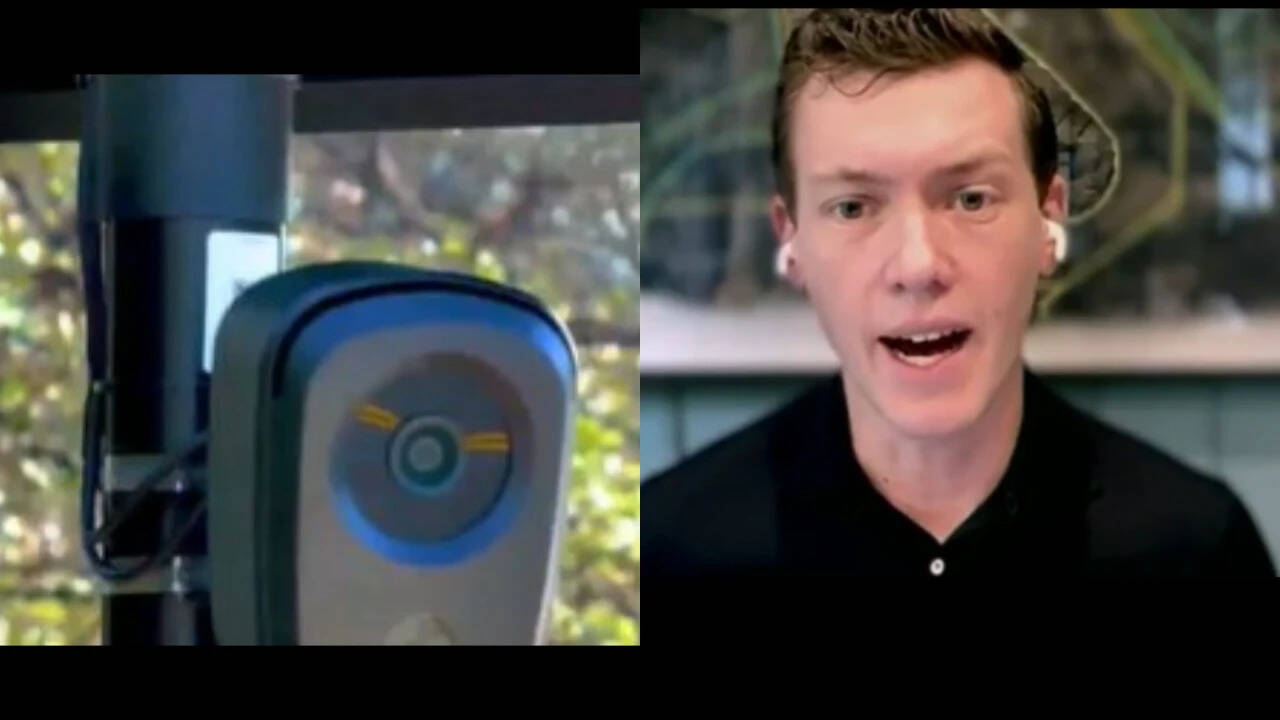
You built a massive empire on tracking every vehicle on public roads, and then you tell the public they need to compromise on privacy for safety. Naturally, people get angry. When Flock Safety CEO Garrett Langley made his high-profile media rounds arguing that privacy cannot be the only priority, he probably did not expect the internet to hand-deliver a taste of his own medicine. His alleged home address quickly leaked across social media platforms, accompanied by screenshots of blurred mapping tools. Critics immediately pointed out the glaring irony. If surveillance is the price we pay for safety, why do the architects of that surveillance aggressively shield their own doorsteps?
This messy collision of corporate expansion, digital outrage, and public safety tech highlights a much deeper fracture in modern society. We are caught in a data loop where everyday citizens bear the cost of constant monitoring while tech executives preach about national compromise from behind digital privacy walls.
The Reality Of Automated License Plate Readers
Let us look at what companies like Flock actually do. They operate massive networks of automated license plate readers and high-definition cameras spanning thousands of municipalities. These systems capture billions of data points every single month. They log timestamps, vehicle locations, and movement patterns, feeding them into searchable databases. Proponents argue these tools catch stolen vehicles and help law enforcement solve violent crimes. That part is true. Police departments routinely utilize this data to track down suspects who cross jurisdictional lines.
Yet the scope of misuse tells a much darker story. Cases keep piling up where individuals with access to these networks exploit them for personal reasons. A police officer in Kentucky was arrested after authorities discovered he used a Flock-backed system to track his ex-girlfriend over two thousand times. Municipalities across the country are facing intense pressure as local communities realize their routine grocery runs and school drop-offs are being archived indefinitely by private entities. When data pools grow this large, abuse stops being a hypothetical risk and becomes an absolute certainty.
Why The Compromise Argument Falls Flat
Langley defense hinges on the idea that objecting to mass surveillance is like opposing automobiles because cars cause accidents. He argues we regulate cars with seatbelts and speed limits rather than banning them outright. It sounds like a neat corporate soundbite, but the analogy breaks down under scrutiny.
Cars do not aggregate a searchable history of every citizen's daily movements into a private database accessible by thousands of municipal users. A better comparison involves putting a tracking beacon on every human being at birth and telling them not to worry because only authorized personnel will look at the logs. The core issue isn't the existence of safety technology; it is the erosion of the baseline expectation that you can move through a free society without being cataloged.
When federal lawmakers like Senator Josh Hawley launch formal investigations into how these national networks pool and share personal data, it becomes clear that regulatory oversight has lagged miles behind corporate deployment. Companies install the hardware first, face the public backlash second, and scramble for guardrails only after investigative reports expose glaring security holes.
The Backlash And The Dangers Of Doxxing
The decision by angry internet users to circulate Langley personal details is a symptom of a systemic breakdown in trust. Two wrongs do not make a right, and doxxing tech founders does not fix broken privacy legislation. However, it signals a visceral public exhaustion. People feel entirely powerless against an invisible grid of corporate and municipal watchers.
When citizens feel the social contract has been broken from the top down, retaliation turns digital. Activists have gone further than sharing addresses, with dozens of surveillance cameras facing physical vandalism or outright destruction in various municipalities. DeFlock tracking maps show dozens of cities canceling or freezing their camera contracts entirely. The pushback is no longer confined to online forums or civil liberties groups like the ACLU; it is happening on street corners.
Protecting Your Privacy In A Monitored World
If you want to minimize your digital footprint while living under an expanding web of optical surveillance, you have to adopt proactive habits. Relying on tech executives to safeguard your civil liberties is a losing game.
- Audit your local municipal government agendas to see if your city council has quietly approved license plate reader contracts.
- Support local ordinances that mandate strict data sunset clauses, forcing police departments to delete unflagged travel logs within days rather than months.
- Limit unnecessary travel through heavily monitored commercial corridors when alternative routes exist.
- Push your state representatives to ban the cross-sharing of local municipal transit data with federal agencies or commercial third parties.
The debate over safety versus privacy is not going away anytime soon. Until lawmakers establish ironclad federal boundaries around what private surveillance firms can collect and store, expect more friction, more leaked addresses, and a deepening distrust between the public and the companies watching them.