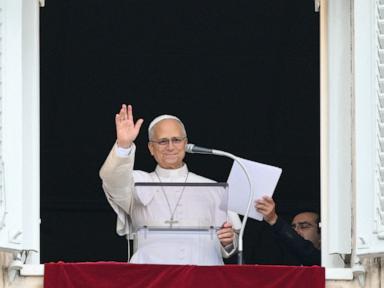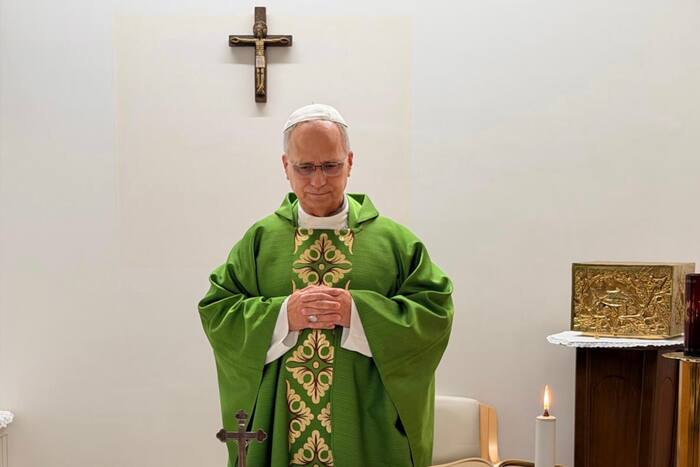
Picture the Apostolic Palace with standing committees, clear reporting lines, and actual budget discipline instead of whispers in a hallway. That's the tension at the heart of the story right now. An American pope brings American-style governance to the Vatican, even in a health crisis, forcing centuries-old church habits to collide with modern management instincts.
If you came here wondering whether a pope raised in the United States really runs Rome like a corporate executive or a civic administrator, the short answer is no, not literally. Yet the habits stick. American institutions train leaders to set priorities in writing, ask who owns a decision, and keep operations moving when the person at the top gets sick. In a place where tradition often treats ambiguity as a virtue, those instincts look downright revolutionary.
I've spent years watching how big institutions handle leadership strain, from university boards to hospital networks and religious nonprofits. Health scares expose the real wiring of an organization faster than any crisis manual. When a leader's stamina drops, polite improvising stops working. Suddenly, clarity isn't a management buzzword; it's the only thing keeping critical work from stalling.
Why American Governance Feels So Strange in Rome
For generations, the Roman Curia has operated on a mix of canonical law, personal loyalty, and quiet diplomacy. Decisions often ripen slowly. Sometimes a problem isn't solved with a memo so much as outwaited, reframed, or routed through trusted intermediaries who know the unwritten rules of Vatican City.
American governance, by contrast, is built around accountability structures and written process. Think about how a U.S. diocese, a major American charity, or a civic board works. You have defined roles, delegated authority, regular check-ins, and a strong bias toward getting things on the record. Even when people disagree sharply, there's usually an expectation that someone has the mandate to sign off and move forward.
Drop that mindset into a centuries-old bureaucracy and sparks fly. Roman officials may see structured reporting as cold, overly transactional, or blind to pastoral nuance. Meanwhile, someone shaped by American institutional culture often looks at opaque handoffs and wonders how anything gets finished without burning everyone out.
Honesty matters here. There's no single "American style" of management. A Wall Street firm, a Midwestern hospital system, and a Catholic religious order from Chicago all have their own quirks. Still, Americans tend to share a practical habit: when something breaks, assign an owner, set a timeline, and keep people informed.
How a Health Crisis Tests Institutional Muscle
Health crises strip away theory. When a leader faces illness, fatigue, or hospital stays, every weakness in an organization's chain of command shows up in bright neon.
In traditional setups that revolve heavily around one charismatic figure, sickness creates a vacuum. Staff hesitate to make calls. Rumors fill the silence. Important administrative tasks sit on a desk because nobody wants to overstep or guess what the boss would have wanted.
A more institutionalized model handles that pressure differently. Not magically, and not without friction, because a papacy isn't a CEO post. Still, clear delegation and predictable routines let deputies keep routine operations humming while medical recovery takes priority.
Let's look at an illustrative example rather than pretending we have a fly-on-the-wall diary. Suppose a global charity or church office faces a sudden leadership health setback alongside an urgent financial audit and a major international gathering. If authority is mapped out ahead of time, finance directors keep reviewing numbers, communications teams stick to truthful updates, and only genuinely strategic calls wait for the top leader. Without that structure, everything grinds to a halt.
That's why watching an American pope navigate a health crisis is so revealing. It isn't just a human story about recovery and resilience. It's a live stress test of whether American-style governance can bend to Vatican realities without snapping.
Delegation vs. Centralization in the Church
One of the oldest debates in Catholic administration is how much authority belongs at the center versus out in local churches and specialized offices. Canon law already defines plenty of roles, yet practice swings back and forth depending on the person sitting in Peter's chair.
Americans often favor clear delegation paired with clear reporting. Give people real room to run their departments, then hold them to clear standards. Sounds sensible on paper, right?
In Rome, delegation can get tricky fast. A dicastery head isn't just a vice president who can be reassigned next Tuesday over a missed quarterly target. Vatican offices carry deep historical weight, overlapping jurisdictions, and sensitivities tied to global diplomacy. Pushing too hard for corporate efficiency can make local bishops or longtime curial staff feel sidelined.
On the other hand, holding everything too tightly—or leaving decision lines fuzzy during an illness—creates bottlenecks nobody wants. Good governance in the Vatican means knowing which decisions require personal pastoral weight and which ones simply need competent adults signing off.
Misconceptions About American Leadership in the Vatican
People love neat labels, especially in international news. Once you hear that an American pope brings American-style governance to the Vatican, it's easy to fall into lazy caricatures.
Here are a few myths worth pushing back on:
- The Vatican becomes a business. A church isn't a company trying to maximize profit or market share. Its mission involves worship, doctrine, charity, and global diplomacy, none of which fit cleanly onto a profit-and-loss sheet.
- Bureaucratic order kills spirituality. Critics sometimes assume that clear schedules, budgets, and workflows make a church feel cold or overly managerial. In practice, messy administration often hurts pastoral care far more than good organization ever does.
- Every American governs like a Silicon Valley founder. Plenty of American leaders prize consensus, quiet listening, and long-term institution building over flashy disruption. Assuming "American" automatically means brash or hyper-corporate misses a huge slice of American civic life.
- Health scares mean instant collapse. Large institutions with seasoned staff and clear protocols can absorb periods of reduced public appearances without falling apart, provided they communicate honestly instead of spinning.
What Observers and Insiders Often Miss
If you read coverage of Vatican reforms, you'll notice a lot of focus on personalities and court intrigue. Who is up? Who is down? Whose ally got promoted?
Those questions aren't useless, yet they often miss the quieter engine of change: process. Changes to how meetings are run, how budgets are reviewed, how information flows between departments, and how deputies step in during absences shape daily life far more than dramatic speeches.
Another blind spot is timing. Institutional habits in Rome didn't form overnight, and they won't rewire in six months. Even when a leader pushes for crisper communication and tighter oversight, inertia is real. Paperwork takes time. Cultural norms push back.
There's also a genuine tension around transparency during health challenges. Public institutions around the world wrestle with how much medical detail to share. Too little information breeds wild speculation; rushed or overly technical updates can confuse people. A governance style rooted in plain, steady communication helps, though balancing privacy with public trust is never easy.
If you want to track how serious these governance shifts really are, watch the unglamorous details. Look at financial reporting, appointment patterns, how crises are communicated, and whether mid-level leaders can actually make decisions without waiting for permission from the top.
Practical Ways to Follow and Analyze This Story
Whether you're a journalist, a student of global institutions, or just a curious reader trying to separate noise from signal, you don't have to guess blindly. You can read this story with a sharper eye by taking a few concrete steps:
- Read primary institutional documents when available. Official statements, statutes, and budget reports from the Vatican news portal give you the exact wording and administrative context behind headlines.
- Compare administrative moves against canon law. Resources like the Code of Canon Law on the Vatican site help you see where a pope is exercising normal authority versus changing long-standing procedures.
- Separate health updates from governance shifts. Notice whether a policy change is a reaction to an illness, a pre-planned reform pushed forward anyway, or routine administration getting spotlighted because the leader is unwell.
- Check multiple international outlets. Coverage from U.S., Italian, and global Catholic press often highlights different angles—American media may focus on management style and transparency, while Italian outlets often catch subtle curial dynamics.
At the end of the day, watching an American pope bring American-style governance to the Vatican during a health crisis is a masterclass in institutional friction. Tradition has its wisdom, structure has its value, and real leadership lives right in the messy space between the two.