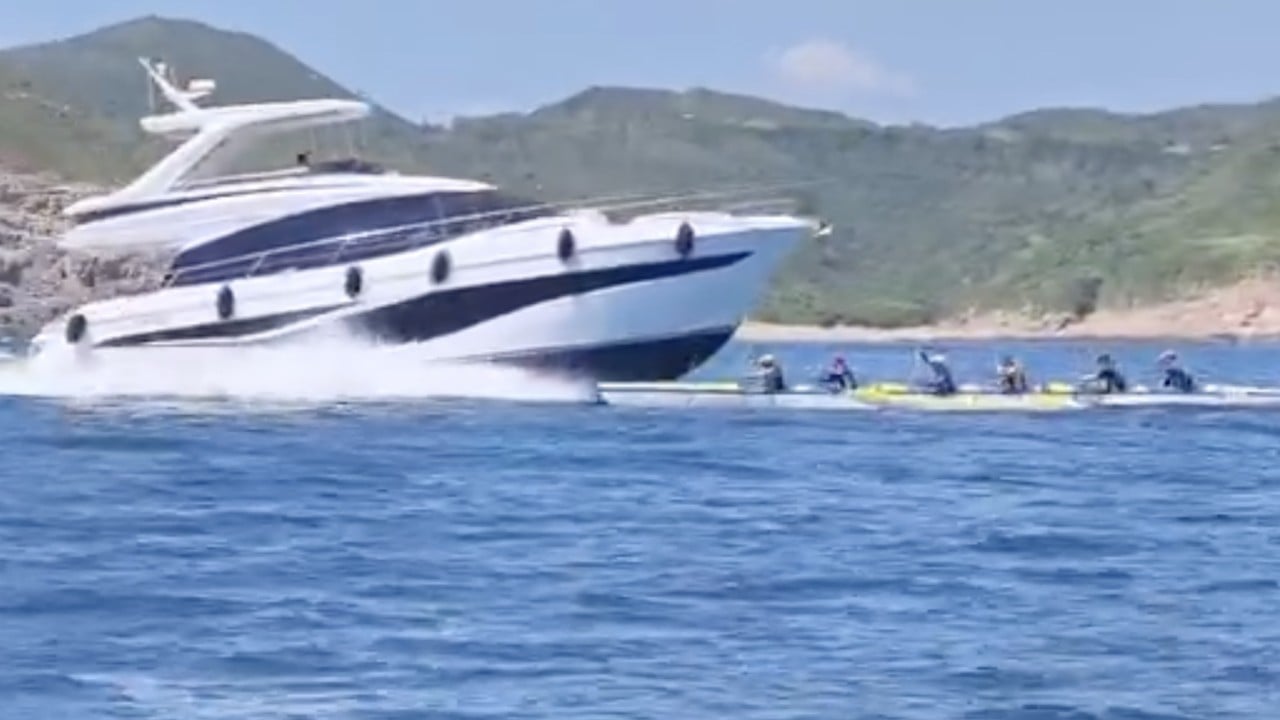
Hong Kong's crowded coastal waters have long tested the limits of shared maritime space, but a recent terrifying incident near the High Island Reservoir has blown the lid off a much deeper safety crisis. When a high-speed yacht allegedly charged at a racing shell carrying six local rowers, it wasn't just a close call. It exposed a glaring disregard for non-motorized craft that has simmered in local waters for years.
The Hong Kong Marine Department quickly opened a formal probe into the incident, which was heavily documented and circulated across social media platforms. Footage showed the narrow rowing boat shaking violently as the much larger vessel blasted past at an unsafe distance. For anyone who spends time on the water training in coastal rowing or dragon boating, this aggressive encounter feels entirely familiar.
The Real Problem With Shared Waters
You don't need to look hard to see the tension building up across Victoria Harbour, Sai Kung, and surrounding bays. The push to boost the local yacht economy and increase weekend marine leisure traffic has collided head-on with a thriving human-powered paddling community. Yachts want speed and open berths. Rowers need stability and predictable water.
When recreational powerboat operators ignore wake limits or fail to maintain a proper lookout, the physics are terrifyingly one-sided. A racing shell is fragile, long, and incapable of sudden evasive maneuvers. Weighing next to nothing compared to a fiberglass luxury cruiser, a rowing boat takes the full brunt of reckless wakes and aggressive close passes.
Witnesses and participants of the weekend race near Sai Kung didn't just call it careless—some accused the yacht operator of deliberate intimidation. While investigators must determine intent, the mere fact that a vessel master felt comfortable accelerating near a populated rowing formation points to a systemic breakdown in on-water etiquette and enforcement.
What the Marine Department Probe Must Address
The Marine Department has emphasized that it will take strict legal action against anyone violating the Ships and Port Control Ordinance. But issuing statements after a near-tragedy isn't enough anymore.
If this investigation is going to change anything, authorities need to tackle several uncomfortable realities:
- Speed enforcement in narrow channels: High-speed leisure craft routinely disregard safe operating distances near popular training zones.
- Accountability for vessel masters: Too many weekend boat renters lack proper local competency credentials or treat crowded waterways like private racetracks.
- Clearer zoning: Traditional racing and rowing routes need better physical or legal buffers from high-horsepower motorboats.
Without heavier patrols and real penalties—such as the immediate suspension of operating licenses—harassment on the water will continue.
Staying Safe While Authorities Drag Their Feet
If you're training on the water in Hong Kong right now, waiting for regulators to fix the culture is a bad strategy. Rowers and coaches are adopting defensive tactics to protect their crews:
- Always rig boats with high-visibility flashing LED lights, even during daytime sessions in hazy or choppy conditions.
- Equip safety launches with cameras to capture registration numbers instantly if a powerboat makes an aggressive pass.
- Establish strict communication protocols within the club to report reckless vessels directly to marine police with timestamped evidence.
The luxury boating boom shouldn't come at the cost of human lives. Until the Marine Department translates its latest investigation into visible, aggressive enforcement on the water, rowers will remain sitting ducks in their own training lanes.