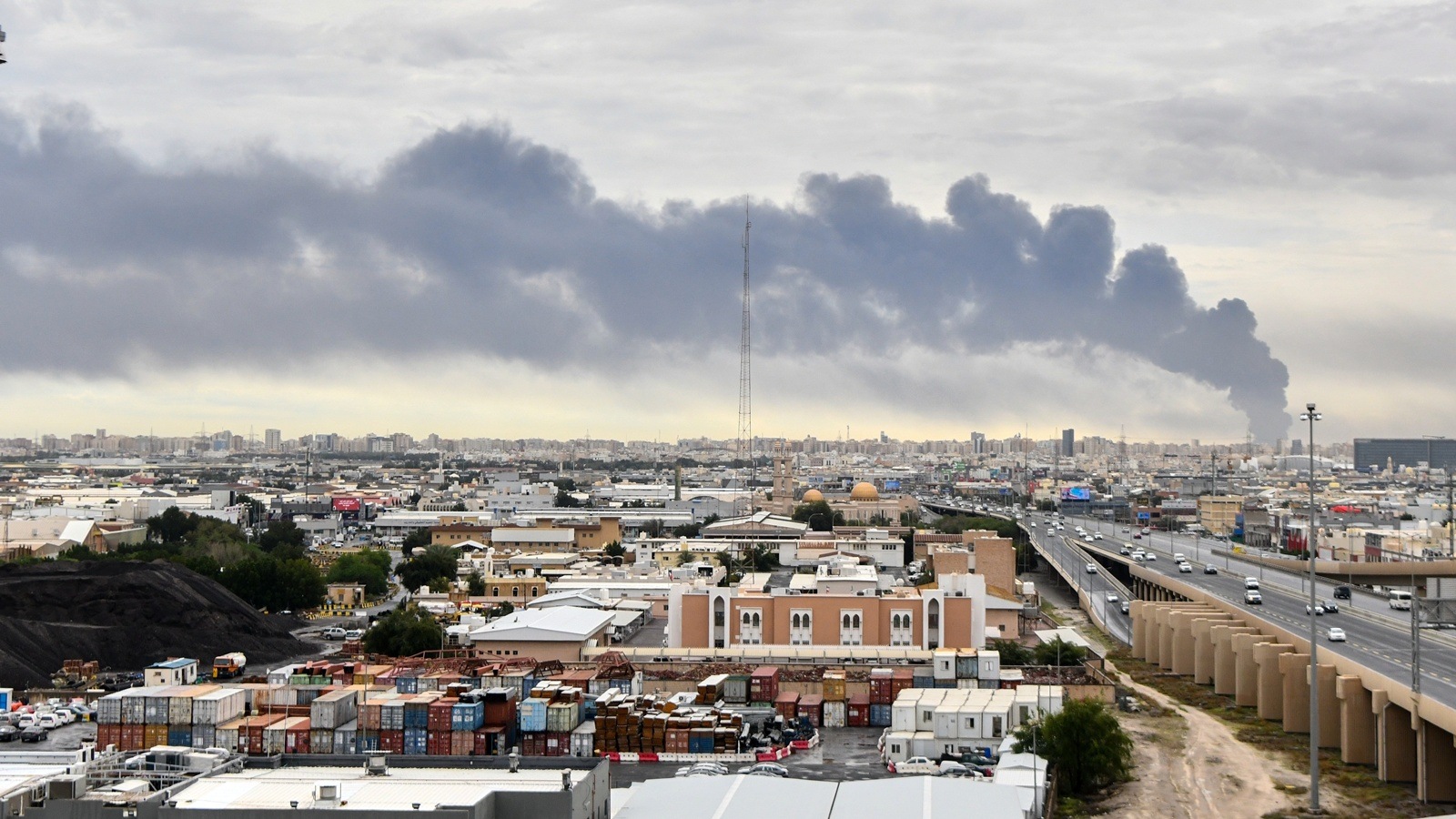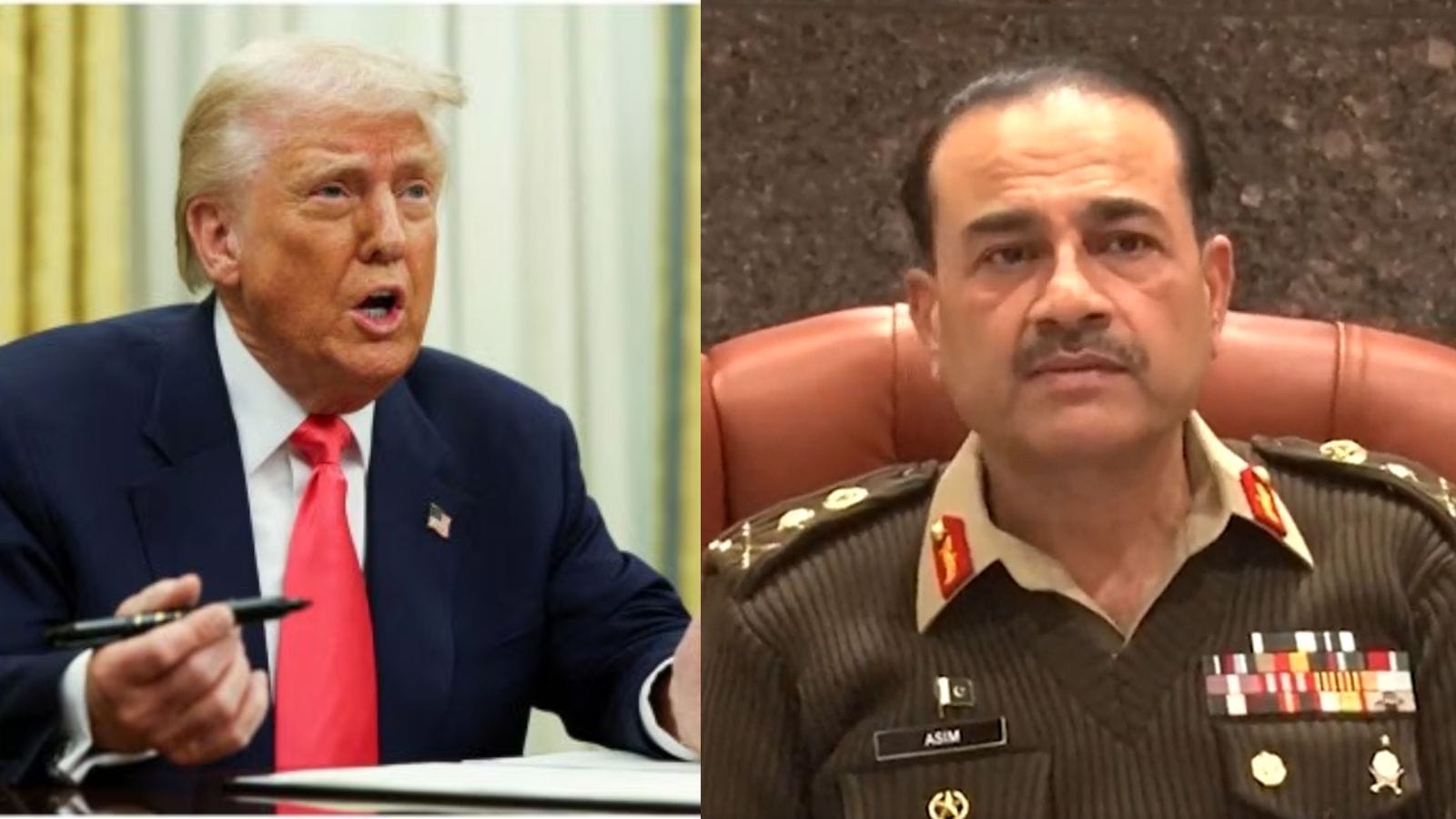
The fragile six-week ceasefire between the United States and Iran is on the verge of collapsing. A series of warnings from Washington and Tehran over the last 48 hours indicates that the next phase of the conflict will not be confined to the Middle East. President Donald Trump admitted he came within an hour of ordering a massive bombing campaign under Operation Epic Fury before Gulf allies interceded. In response, the Islamic Revolutionary Guard Corps issued a statement declaring that any renewed aggression will trigger a war that spreads far beyond the region.
This is not standard diplomatic bluster. Decades of observing the Islamic Republic’s asymmetric military doctrine suggest that Tehran is signaling a major pivot in how it plans to survive an all-out American campaign. The conflict has already choked off the Strait of Hormuz and Upended global energy markets. Now, the threat of extra-regional escalation points toward a dangerous new matrix of asymmetric warfare that could hit Western interests exactly where they least expect it.
The Limits of Conventional Containment
Washington based its initial four-to-six-week timeline for Operation Epic Fury on a conventional calculation. The goal was simple. Use overwhelming air power to dismantle Iran's nuclear infrastructure, degrade its missile silos, and force the clerical leadership to the negotiating table. The strategy failed to account for the regime’s capacity to endure immense economic and physical trauma.
Iran survived the initial shockwaves. It still holds vast stockpiles of enriched uranium and highly mobile ballistic missile batteries. More importantly, the clerical leadership remains firmly in control of the state apparatus despite domestic unrest earlier this year. When Trump stated that Iran wants a deal so badly, he misread survival for submission. Tehran’s counter-proposal demands full control over the Strait of Hormuz, Western troop withdrawals, and billions in war reparations. These are the terms of an actor that believes it has already absorbed the worst of the American arsenal and lived to tell the tale.
The threat to take the war outside the Middle East reflects an awareness of their own conventional limits. Iran cannot match American or Israeli firepower in a direct, symmetrical engagement. They can, however, equalize the playing field by turning the entire international arena into a active theater of operations.
The True Geography of an Expanded Conflict
How does a isolated state expand a war beyond its borders? The answer lies in asymmetric capabilities carefully developed over forty years. Western intelligence agencies are currently tracking three distinct vectors where Tehran can project power outside of the Middle East.
Low Earth Orbit Sabotage
Iranian state media and pro-government analysts have begun discussing the deployment of anti-satellite capabilities. Iran does not need highly sophisticated tracking systems to cause massive disruptions in space. A crude kinetic detonation or the intentional destruction of its own low-orbit assets could generate a catastrophic cloud of space debris. Such an action could cripple commercial satellite constellations, including Starlink, disrupting global communications and logistics networks far from the kinetic battlefield.
The European Asymmetric Front
European security services have spent the spring disrupting a wave of Iranian-linked attack plots. Cells connected to regional proxies like the Iraqi militia Kataib Hezbollah have been intercepted in France, Belgium, and Norway. If the ceasefire breaks, Tehran is positioned to activate these networks. The targets will not just be government facilities, but international shipping hubs, infrastructure, and Jewish or Israeli cultural centers across Western Europe. This strategy aims to drive a wedge between Washington and its European allies by forcing European capitals to face the direct domestic costs of an American-led war.
Transcontinental Maritime Choke Points
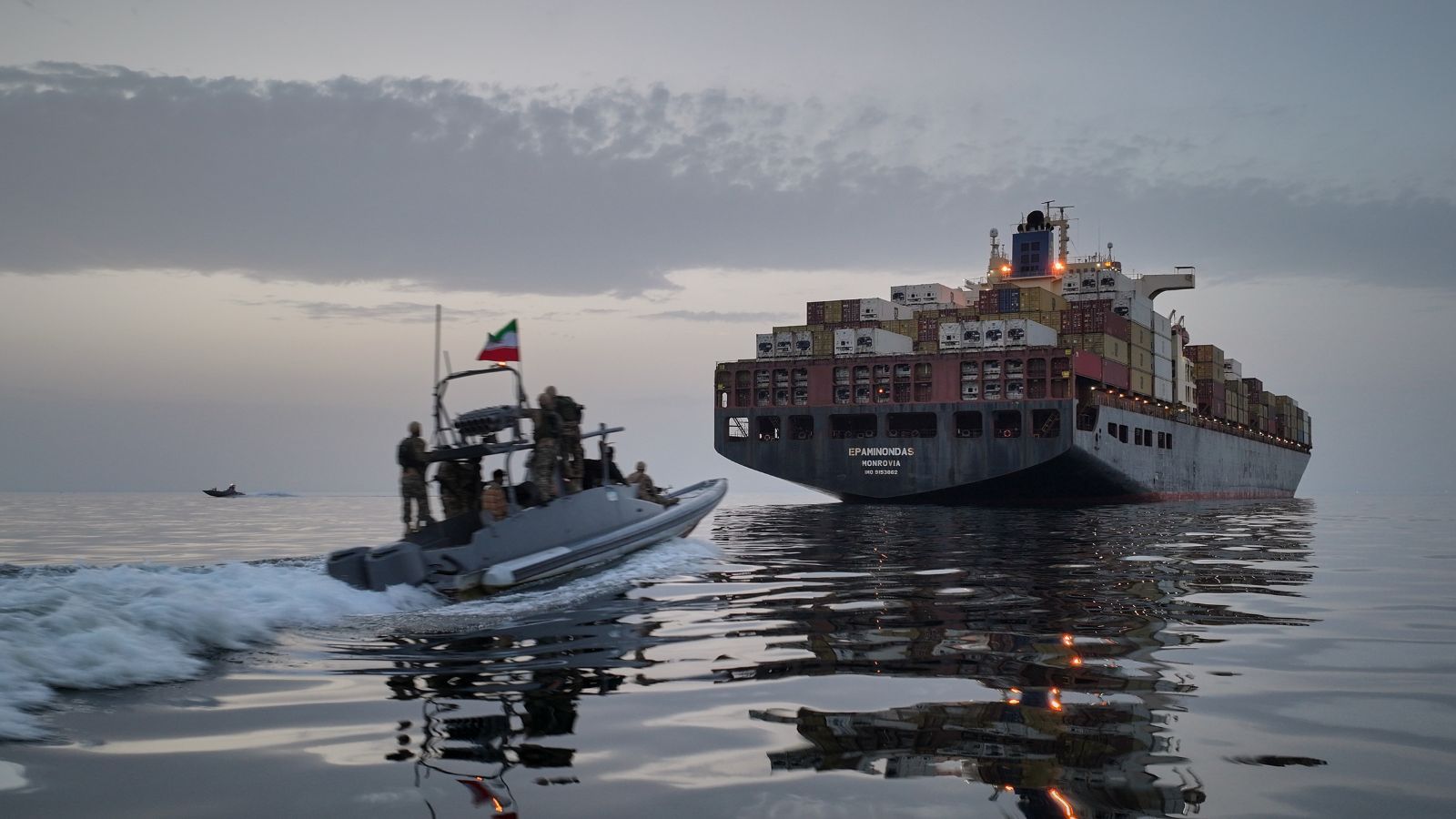
The blockade of the Strait of Hormuz has already triggered the most severe energy disruption in modern history. But Iran's maritime disruption strategy is modular. Through its proxy networks and covert naval assets, Tehran retains the capacity to pressure international shipping corridors outside the Persian Gulf. This includes renewed threats to the Red Sea via the Bab al-Mandab strait and intelligence tracking of potential disruption efforts near the Mediterranean entrances.
The Political Trap at Home
Trump faces intense domestic pressure as the November congressional elections approach. The temporary pause in fighting has done little to soothe nervous financial markets. Energy prices remain stubbornly high, and public support for the war is dropping significantly.
Global Oil Flow Disruption (Strait of Hormuz Transit)
Pre-Conflict:  ~~~~~~~~~~~~~~~~~~~~~ (20% of Global Supply)
Current State:  ~ (Restricted to Iranian/Select Vessels)
The administration is caught in a rhetorical loop. One day, Vice President JD Vance assures reporters that the military is locked and loaded while simultaneously insisting that negotiations are in a good place. The next day, Trump threatens a big hit if a deal is not reached by the end of the week. This inconsistent messaging signals a deeper strategic paralysis. Washington is realizing that restarting the bombing campaign will not yield a quick victory, but will instead activate the extra-regional contingencies that the Revolutionary Guards are now openly brandishing.
Gulf allies like Qatar, Saudi Arabia, and the United Arab Emirates understand this reality intimately. Their intervention to stop Monday’s planned American strike was driven by a clear assessment of their own vulnerability. They know that if the Revolutionary Guards execute their extra-regional doctrine, the regional bases hosting American forces will be the first targets destroyed in the crossfire.
The current stalemate cannot last indefinitely. If Washington chooses to launch another round of strikes to break the diplomatic deadlock, it must accept that the battlefield will no longer be confined to the territory of Iran. The conflict will move rapidly into international waters, European cities, and the global commons. Tehran has made its peace with the costs of a prolonged war. Washington has yet to decide if it is willing to pay them.