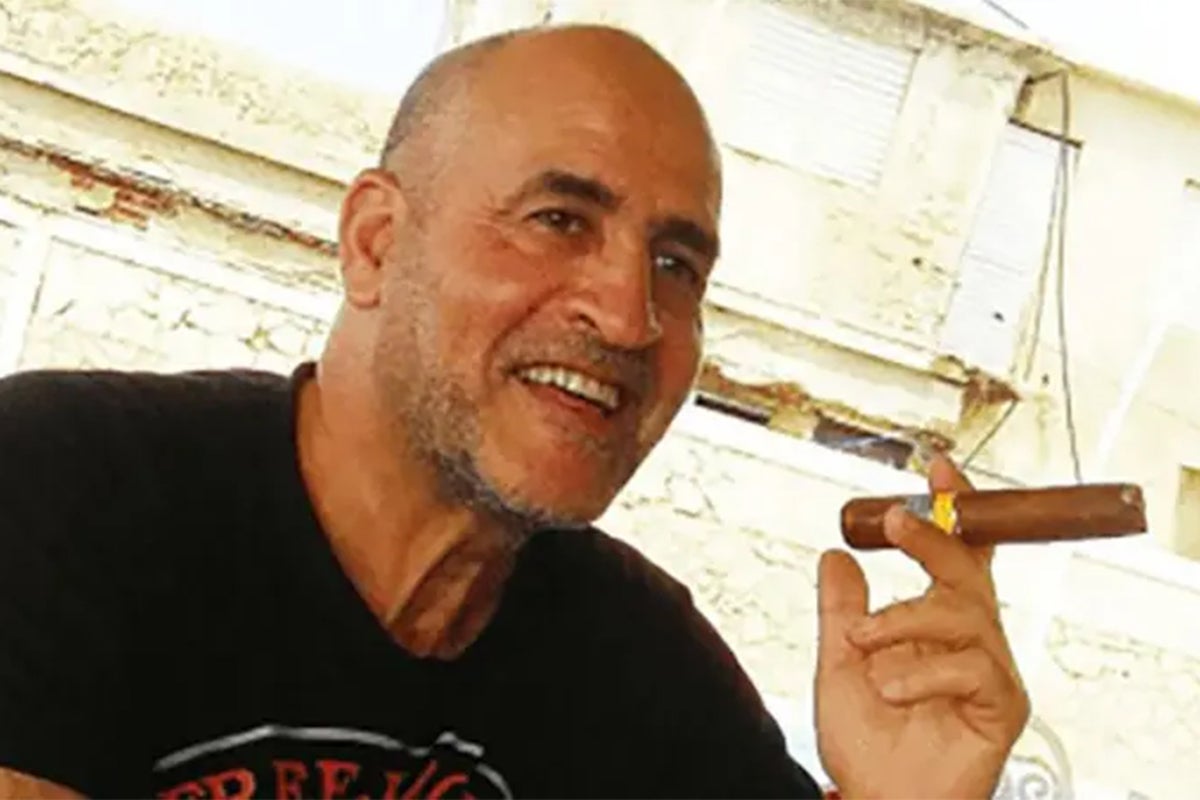
Member states of the International Criminal Court voted on July 24, 2026, to remove Chief Prosecutor Karim Khan from office following a two-year disciplinary battle over allegations of serious sexual misconduct. At a closed-door session held at United Nations headquarters in New York, 82 of the tribunal's 125 member states voted by secret ballot to strip the British barrister of his post, comfortably clearing the 63-vote majority threshold required under the Rome Statute. The decision marks the first time in the history of the permanent war crimes tribunal that a chief prosecutor has been forcibly ousted by its governing body.
The historic vote terminates a tumultuous tenure that brought the international court to the center of global geopolitical confrontation while fracturing its internal operations. Khan, who was elected in 2021 to a nine-year term, had been suspended from active duty while an internal oversight investigation examined claims that he engaged in coercive, non-consensual sexual behavior toward a junior female staff member over an extended period. Though Khan maintained his innocence and accused procedural bodies of acting unlawfully, member states determined that his continued leadership threatened the basic institutional credibility of the court.
The downfall of the world's top war crimes prosecutor exposes a fragile institution caught between external geopolitical warfare and internal governance failures.
The Internal Allegations That Fractured the Court
The crisis began quietly within the glass offices of The Hague long before it spilled into public view. A female aide working directly under Khan lodged formal complaints detailing a pattern of abuse of power and coercive sexual conduct. According to disciplinary documentation reviewed by oversight bodies, the allegations described prolonged boundary violations and implicit pressure tied to the staff member's career progression within the Office of the Prosecutor.
Initial internal handlings of the grievance were marked by delay and bureaucratic hesitation. Early attempts to resolve the matter through informal reporting channels stalled, leading critics within the tribunal to allege that senior officials sought to minimize the claims to protect the court's public standing during high-profile international investigations.
When the Independent Oversight Mechanism eventually opened a formal investigation, the inquiry encountered severe procedural friction. A panel of external legal reviewers initially debated whether the evidence met the criminal standard of proof beyond a reasonable doubt. However, as the tribunal's executive committee re-examined the findings in early 2026, the focus shifted from criminal prosecution to administrative fitness. The governing body concluded that Khan had committed serious misconduct that rendered his leadership untenable.
Khan’s defense team aggressively contested every stage of the inquiry. His attorneys argued that internal oversight rules were arbitrarily altered mid-investigation, denying the prosecutor a fair hearing and depriving him of the opportunity to directly address the full assembly of member states before the vote. His lawyers insisted that the process was procedurally flawed, unsupported by objective physical evidence, and infected by political motives.
Despite these objections, an early procedural motion introduced by Sierra Leone at the New York summit—which sought to raise the voting threshold and delay the dismissal—failed decisively. Delegations moved directly to the secret ballot, signaling that a critical mass of member states had lost confidence in Khan's ability to represent the tribunal.
A Convergence of Geopolitical Pressures
The internal investigation did not unfold in an institutional vacuum. It coincided with the most aggressive external offensive launched against the tribunal since its founding in 1998 under the Rome Statute.
In May 2024, Khan took the bold step of requesting arrest warrants for senior Israeli leadership, including Prime Minister Benjamin Netanyahu and Defense Minister Yoav Gallant, alongside leaders of Hamas, alleging war crimes and crimes against humanity in Gaza. Coming after earlier warrants issued against Russian President Vladimir Putin over the unlawful deportation of Ukrainian children, the move asserted the court's authority over Western-aligned states and major world powers alike.
The reaction from Washington and Tel Aviv was swift and retaliatory. The United States, which is not a state party to the Rome Statute, intensified a diplomatic campaign aimed at neutralizing the court's global reach. Washington imposed direct financial sanctions and travel bans on senior ICC personnel, including Khan himself. Shortly before the New York vote, the U.S. State Department publicly announced a broad diplomatic strategy to pressure member states into withdrawing financial and legal support from the tribunal.
This external warfare created a complex layer of suspicion around the disciplinary proceedings. Khan’s allies repeatedly suggested that the sexual misconduct allegations were amplified or exploited by foreign intelligence services and hostile governments seeking to derail the Gaza and Russia investigations. They argued that removing the chief prosecutor while high-stakes arrest warrants remained pending sent a signal that political pressure could alter the court’s executive leadership.
However, human rights groups, legal scholars, and the accuser herself rejected the narrative that the misconduct complaint was a geopolitical maneuver. In public statements, the complainant insisted that her report concerned workplace abuse and institutional integrity, warning against efforts to weaponize human rights rhetoric to shield executive misconduct. Independent observers noted that conflating internal labor standards with international grand strategy threatened to undermine the court's ethical foundations from within.
┌─────────────────────────────────────────────────────────────────┐
│                    ICC DISMISSAL TIMELINE                       │
├─────────────────┬───────────────────────────────────────────────┤
│ May 2024        │ Warrants requested for Israeli & Hamas leaders │
│ Late 2024       │ Initial misconduct grievance filed internally │
│ Early 2026      │ Executive committee finds "serious misconduct"│
│ June 2026       │ Khan placed on formal administrative leave    │
│ July 24, 2026   │ Assembly of States Parties votes 82-43 to oust │
└─────────────────┴───────────────────────────────────────────────┘
Institutional Structural Flaws Exposed
The removal of a chief prosecutor exposes structural vulnerabilities built into the framework of international justice institutions. Unlike domestic jurisdictions with clear separations between administrative oversight, law enforcement, and political governance, the International Criminal Court relies on a complex hybrid system. The Assembly of States Parties acts as a legislative body, a diplomatic forum, and a court of final appeal for administrative employment disputes.
This structure creates structural vulnerabilities:
- Lack of Independent HR Safeguards: High-ranking officials operate with immense discretionary authority over junior staff, while internal reporting mechanisms frequently route through administrative lines vulnerable to executive pressure.
- Politicized Disciplinary Reviews: Because member states hold the ultimate authority to hire and fire prosecutors, any disciplinary vote inevitably transforms into a diplomatic transaction where geopolitical alliances influence ethical rulings.
- Unclear Standards of Proof: The absence of clear, standardized thresholds distinguishing administrative workplace violations from criminal behavior leaves room for endless procedural disputes.
When a prosecutor faces serious personal allegations, member states are forced to act not as jurors weighing evidence beyond reasonable doubt, but as political custodians assessing institutional risk. Former international tribunal officials noted leading up to the vote that the Assembly was tasked with an administrative judgment regarding fitness for duty, rather than a criminal verdict.
Khan’s fourteen-month absence during the lengthy inquiry created an executive vacuum. Deputy Prosecutor Nazhat Shameem Khan of Fiji assumed operational management during the interim, but major strategic decisions stalled as the department faced public scrutiny.
The Immediate Operational Aftermath
The immediate challenge for the tribunal is stabilizing its operational workload and restoring diplomatic credibility. The arrest warrants issued during Khan's tenure—including those targeting Vladimir Putin, Benjamin Netanyahu, and Yoav Gallant—remain legally active. Under the Rome Statute, warrants issued by the Pre-Trial Chamber are independent judicial determinations that cannot be voided or withdrawn by administrative changes in the prosecutor's office.
Yet executing those warrants requires sustained cooperation from member states, many of which were alienated by the prolonged leadership battle. The diplomatic consensus required to enforce court orders, secure state compliance, and fund international investigations has been severely tested.
                    ┌──────────────────────────────┐
                    │  Assembly of States Parties  │
                    └──────────────┬───────────────┘
                                   │
                     Votes 82-43 to Dismiss (July 24)
                                   │
                                   ▼
                    ┌──────────────────────────────┐
                    │ Office of the Chief Prosecutor│
                    └──────────────┬───────────────┘
                                   │
              ┌────────────────────┴────────────────────┐
              ▼                                         ▼
┌──────────────────────────────┐          ┌──────────────────────────────┐
│ Pending Active Indictments   │          │  Interim Leadership Transition│
│  • Warrants Remain Active    │          │  • Deputy Prosecutor Assumes │
│  • Judicial Standing Unchanged│          │    Operational Control       │
└──────────────────────────────┘          └──────────────────────────────┘
The process to elect a permanent successor will take months, with member states expected to convene extraordinary sessions to establish a nomination committee. In the interim, the court must navigate an aggressive campaign by non-member states to weaken its mandate while convincing international donors and human rights advocates that its internal reform process is genuine.
The dismissal of Karim Khan demonstrates that no international official is immune from administrative accountability, regardless of the high-profile nature of their caseload. By prioritizing internal governance over executive continuity, the Assembly of States Parties chose to accept short-term operational disruption to protect the foundational principle that those who enforce international law must remain bound by its rules.