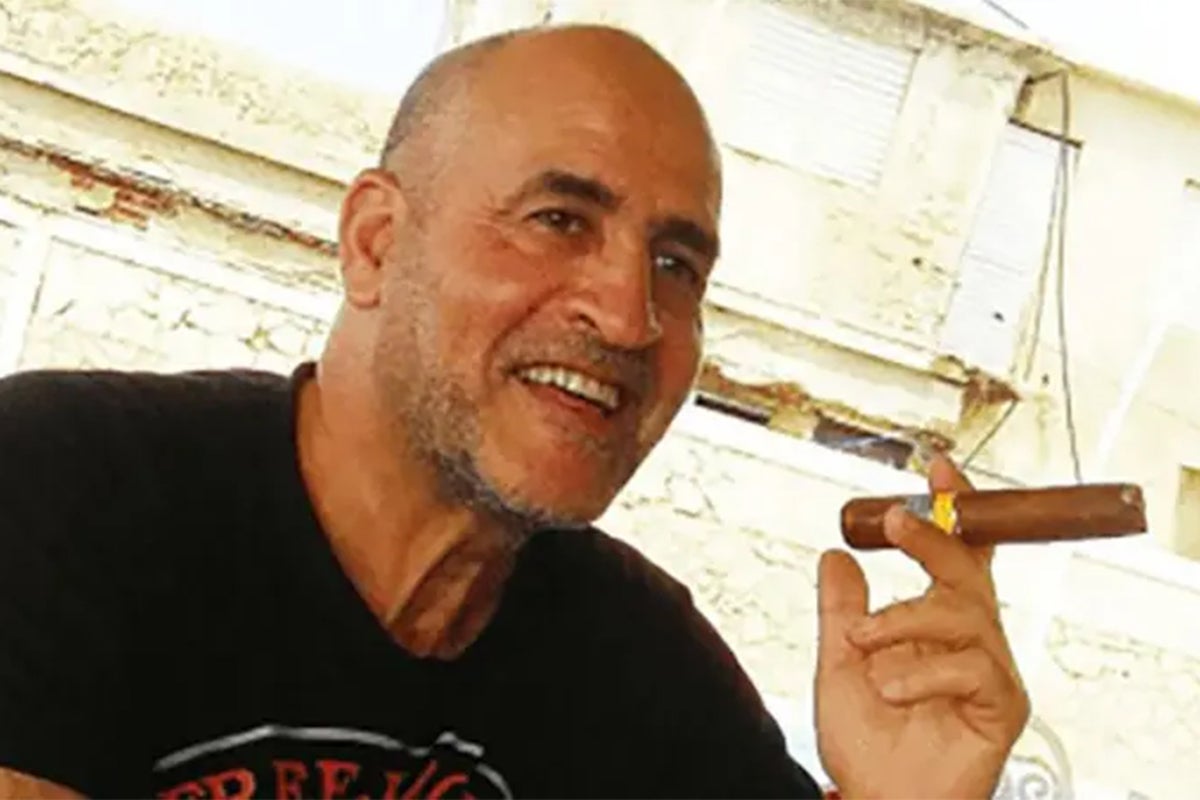
The Call at Dawn
A phone rings in the quiet hours before dawn, carrying news that surprises almost no one, yet satisfies absolutely no one.
In February 2022, inside a solitary cell at La Santé prison in Paris, Jean-Luc Brunel was found dead. He was seventy-six years old. For decades, his name was spoken in hushed, reverent tones across the high-fashion runways of Paris, New York, and Milan. Later, that same name became tied to police dockets, extradition warrants, and the dark global network built by Jeffrey Epstein.
When the French judicial authority released the formal autopsy findings, the document aimed to bring technical finality to a complex human tragedy. The report stated that death occurred by hanging, noting an absence of defensive wounds or signs of physical struggle. In legal terms, the file moved toward closure. But for the women who had spent years waiting for their day in a open courtroom, the news felt like a door slamming shut in an empty hallway.
Silence had won again.
High Fashion and Hidden Power
To understand why a coroner’s report in Paris sent shockwaves across several continents, you have to look past the sterile medical language and step back into the world Brunel inhabited during the late twentieth century.
In the 1980s and 1990s, modeling agencies held absolute authority over young women dreaming of international careers. Scouts traveled to small towns across Europe and South America, offering golden tickets to world capitals. For a teenager far from home, a powerful scout was not merely an agent. He was mentor, landlord, employer, and protector all at once.
That concentration of power created an environment where boundaries blurred easily and accountability rarely intruded.
When investigators eventually began piecing together the timeline, a distinct pattern emerged. Modeling contracts were tied to personal compliance. International travel visas relied on keeping influential figures happy. The very mechanisms designed to launch careers became levers of quiet control.
The Network Across the Atlantic
The connection between Brunel and Jeffrey Epstein was neither accidental nor brief. Flight logs, phone records, and court documents revealed years of frequent contact, shared trips, and overlapping social circles.
When Epstein died in a Manhattan jail cell in 2019, public focus shifted rapidly across the Atlantic. Victims who had carried painful memories for decades began speaking to French prosecutors. They described private apartments in Paris where young women were allegedly brought under false pretenses. They spoke of coercion disguised as professional opportunity.
French authorities opened a formal investigation in late 2019, charging Brunel with the rape of minors and sexual harassment. He was arrested at Charles de Gaulle Airport in December 2020 as he prepared to board a flight to Senegal.
For nearly fourteen months, he sat in pre-trial detention while magistrate judges gathered evidence and took depositions from witnesses across the globe. The trial was expected to illuminate not just individual actions, but the broader system that permitted such behavior to go unchecked for decades.
The Autopsy and the Unanswered Questions
When the official medical report arrived, it provided physical facts without emotional resolution.
The medical examiner documented the precise physiological cause of death. Surveillance footage from the prison corridor was reviewed. Guard logbooks were audited. Investigators concluded that no second person had entered the cell during the night.
Yet physical facts rarely satisfy the human need for justice.
Consider the reality faced by the accusers. A criminal trial provides a structured venue where evidence is weighed, testimonies are cross-examined, and a final verdict is rendered under the public eye. When a defendant dies before trial, the legal process halts instantly. There is no conviction, no acquittal, and no formal judicial finding of guilt.
The victims are left holding testimonies that will never be read into an official trial record.
The Weight of Unspoken Truths
The legal concept of the presumption of innocence remains a cornerstone of democratic justice systems. Defendants have the right to face their accusers, and Brunel maintained his innocence until his final hours through his legal defense team.
Because the trial never occurred, two parallel realities now exist side by side.
On one side stands the legal record, officially closed due to the death of the accused. On the other side stand the lived experiences of dozens of women who came forward to detail systemic exploitation.
The tragedy of an unwritten final chapter is that it leaves the public to endlessly debate what might have been proven in open court. Doubt lingers. Speculation thrives in the absence of a sworn verdict.
A System Under Scrutiny
Beyond the individual figures involved, the case forced a painful reckoning within two major global industries: elite fashion modeling and correctional oversight.
In the fashion world, the scandal accelerated a movement toward stricter safeguarding practices. Major agencies implemented mandatory chaperones for underage models, clear codes of conduct, and independent reporting channels for harassment.
Simultaneously, European prison administrators faced sharp criticism over pre-trial surveillance protocols. How could a high-profile detainee connected to one of the most publicized international sex-trafficking investigations of the century end up dying alone in his cell under circumstances nearly identical to his primary associate?
The answers remain partial and unsatisfactory.
Justice is not merely about punishment; it is about bringing truth into the light where a society can examine it, learn from it, and ensure it cannot happen again. When a cell door opens in the morning to reveal a silence that cannot be broken, everyone involved loses the chance for real resolution.
The court file on Jean-Luc Brunel is stamped closed. The questions left in its wake remain wide open.