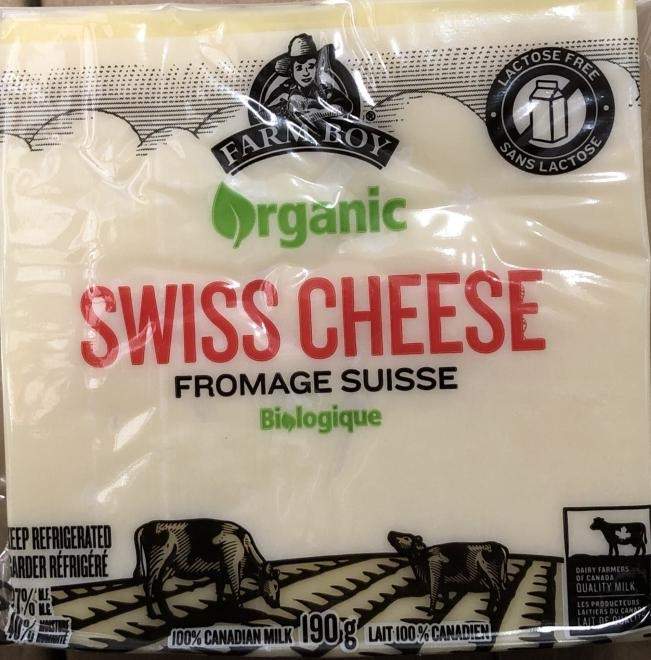
In mid-October 2026, the Canadian Food Inspection Agency issued a nationwide recall pulling organic cheeses sold under Farm Boy, L'Ancêtre, and Life Smart over potential Listeria monocytogenes contamination. No illnesses had been reported when the alert went public, yet the recall swept up everything from sliced blocks to shredded blends, with best-before dates stretching deep into 2027.
Most coverage read like a copy-pasted press release. List the brands, copy the UPC codes, paste the standard warning about pregnant women and older adults, and move on. If you liked this post, you should read: this related article.
That misses the real story. Why do three distinct retail and dairy brands get tangled up in the same recall? Why does a pathogen famous for soft, high-moisture cheeses end up attached to aged cheddars and Swiss? And why do best-before dates nine months out turn a routine recall into a lingering kitchen hazard?
How Three Brands End Up Sharing One Recall
Shoppers walk past Farm Boy, L'Ancêtre, and Life Smart on grocery shelves and assume they are looking at three separate worlds. One looks like an Ontario specialty grocer's house brand, another reads like a traditional Quebec cheesemaker, and the third carries a wellness-oriented label. For another angle on this event, see the recent coverage from NPR.
In modern food manufacturing, brand names on the front of a package rarely tell you who handled the food last. The Canadian recall names Fromagerie L'Ancêtre Inc. as the recalling firm across those organic Swiss, cheddar, and mozzarella items.
That single detail explains why three labels appear in one alert. Private-label retail lines and specialty brands routinely rely on co-packers, cutters, and shredders that process multiple SKUs under one roof. One shared cutting room, one shredding line, or one cold-storage transfer point can link brands that look unrelated to the person holding the receipt.
It also explains why shoppers see identical best-before dates across different names. When a batch is cut and wrapped on the same day or run through the same line, a single upstream slip can ripple across house labels and national brands alike.
| Brand | Recalled Varieties Mentioned in CFIA Alert | Notable Dates and Formats |
|---|---|---|
| Farm Boy | Organic Swiss, Organic Medium Cheddar, Organic Old Cheddar, Organic Extra Sharp Cheddar, Organic 3 Year Old Cheddar | Individual packs (190 g to 200 g), best-before July 30, 2027 |
| L'Ancêtre | Organic Swiss, Shredded Old Cheddar, Mozza-Cheddar Shredded Blend, Shredded Partially Skimmed Mozzarella, Shredded Swiss | Blocks and large shredded bags (200 g to 2 kg), best-before dates from Dec. 2026 to July 2027 |
| Life Smart | Organic Part Skim Mozzarella Cheese | 200 g pack, best-before March 30, 2027 |
Notice what connects almost the entire list. Every single recalled product in the CFIA notice is organic cheese.
Why Hard Cheeses Are Not Immune to Listeria
Conventional food folklore treats hard and semi-hard cheeses like cheddar and Swiss as safer bets than soft, bloomy cheeses. Lower moisture and higher acidity do slow down plenty of spoilage microbes.
Listeria monocytogenes does not care much for polite rules. Unlike many foodborne bacteria that stall out in the cold, Listeria is psychrotrophic—it can survive and keep growing at refrigerator temperatures.
Even more importantly, contamination in cut or shredded cheese rarely starts inside a vat of unpasteurized milk sitting in a pasture. When you see a multi-variety recall spanning Swiss, cheddars, and mozzarella blends, industry veterans immediately look downstream to post-processing.
Cutting blades, conveyors, shredder drums, cooling tunnels, and condensation on overhead pipes in cold rooms are classic hiding spots. Moisture is everywhere in a refrigerated dairy plant because cold air and warm equipment or washdowns create condensation.
A cheese can look, smell, and taste completely normal right up until it makes someone seriously ill. There is no sour odor or fuzzy mold to warn you.
Organic certification changes agricultural inputs and certain processing rules, not the laws of microbiology. Organic dairy plants face the exact same physical enemy as conventional plants: a hardy bacterium that forms stubborn biofilms in microscopic crevices and shrugs off casual cleaning if sanitation schedules or equipment maintenance slip.
The Organic Halo Trap
Walk into any grocery store and watch how people shop the dairy case. When shoppers pick up an organic block of aged cheddar or shredded mozzarella, many subconsciously treat the word "organic" as a shield against contamination.
It isn't. Organic standards govern farming methods, feed, veterinary treatments, and allowed processing aids; they do not sterilize a factory floor or make a stainless-steel conveyor immune to Listeria.
There is a second trap sitting right inside your refrigerator door. Because hard and shredded cheeses have long shelf lives, many of the recalled packages carry best-before dates months into the future—some stretching into 2027.
People do not eat a 1 kg or 2 kg bag of shredded cheese in one sitting. It gets used for tacos, baked pasta, or omelets over weeks, then pushed behind jars of mustard and pickles. Months later, long after the news cycle moves on to the next headline, that package can still be sitting in the crisper drawer.
To see how easily a long shelf life creates a delayed hazard, consider a hypothetical household scenario. A shopper buys a 2 kg bag of shredded cheese in October, uses a handful for dinner, and tucks the rest in the back of a fridge set slightly warmer than 4°C. Weeks pass, the recall alert fades from memory, and someone pulls the bag out for a quick cold snack without cooking it. In real life, long shelf lives plus home fridges that run too warm give Listeria plenty of time to matter.
What Regulators Catch and What They Miss
The CFIA recall was triggered by government testing rather than a reported outbreak of illness. That is good news on paper—catching potential contamination before people get sick is how food safety testing is supposed to work.
Still, anyone who has covered food recalls for years knows testing is a snapshot, not an X-ray. Inspectors and labs cannot sample every block, every shred, or every square inch of cold-room equipment continuously.
When testing flags a lot, regulators move to pull affected products and verify that retailers clear shelves. Yet tracking down every unit depends on lot codes, UPCs, distributor records, and shoppers actually reading recall notices.
And there is a real gray area in how risk is communicated. Telling the public that Listeria can cause mild flu-like symptoms in healthy adults—or severe outcomes including miscarriage, stillbirth, newborn infection, or death in pregnant women, older adults, and immunocompromised people—is accurate and necessary. What often gets lost is the practical reality of how people eat cheese: cooking hot enough kills Listeria, while eating chilled cheese straight from the bag or on a cold sandwich carries the direct exposure risk.
Practical Moves for Your Fridge and Pantry
You do not need to swear off cheese or panic every time a recall hits the wire. You do need a sharper routine than glancing at a headline and forgetting it by dinner.
- Check exact matches, not just brand names: Compare the brand, product name, size, UPC, lot code, and best-before date against the official CFIA recall listing rather than tossing every dairy item you own.
- Do not taste-test suspect cheese: If a package matches a recalled item, do not open it to sniff or sample it; return it to the store for a refund or seal it in the trash where pets and wildlife cannot get into it.
- Wipe down the fridge shelf: If a recalled package sat unwrapped or leaked in your refrigerator, wash the shelf and surrounding containers with hot, soapy water, because cross-contamination happens easily on cold surfaces.
- Keep your fridge cold and organized: Aim for at or below 4°C (40°F), check the temperature with an inexpensive appliance thermometer, and keep long-life dairy visible rather than buried for months.
Recalls are a reminder that modern food supply chains are tightly knit and unforgiving of small sanitation lapses. Check the label before the next slice hits your plate.