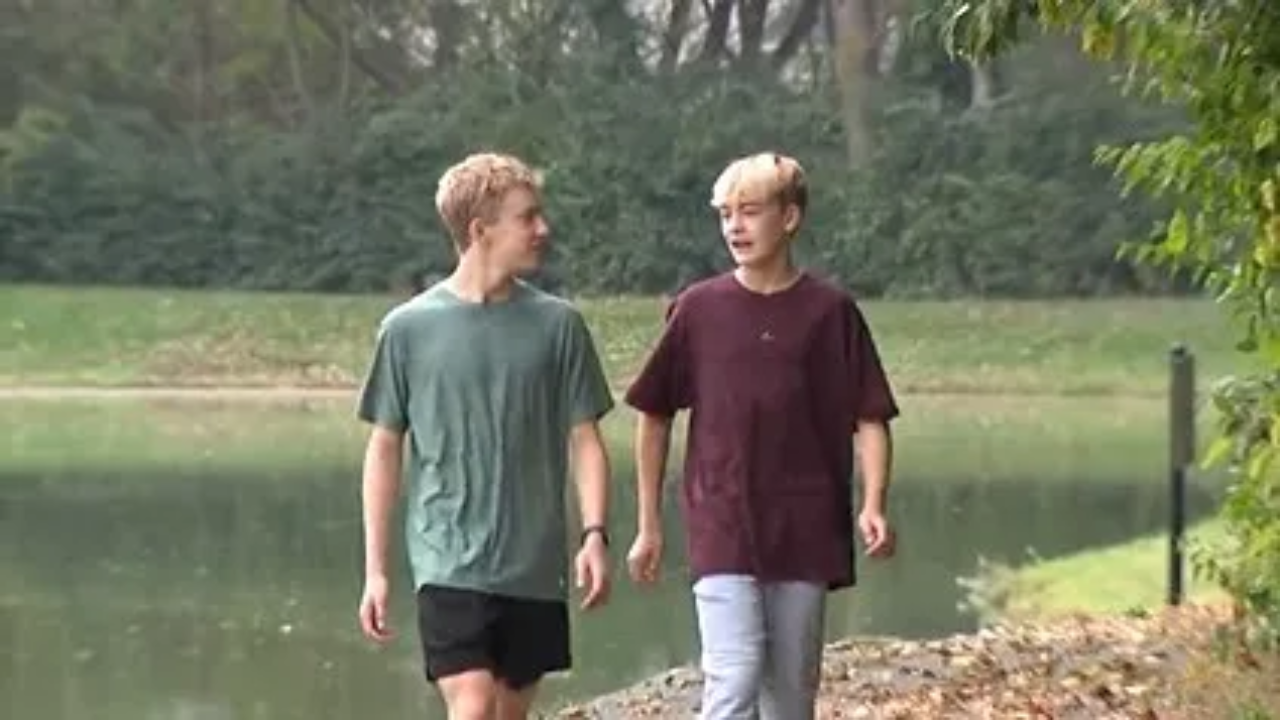
When teenage brothers pull a grandmother and two young children from a pond and revive a toddler, local news treats it as a feel-good miracle. In reality, a pond rescue of that kind exposes a quiet, recurring failure of rural and suburban water safety where residential basins, unguarded shorelines, and bystander CPR determine whether a routine afternoon ends in survival or tragedy. A pond rescue succeeds in moments like that because two teenagers act before emergency crews can cross county lines, yet the same scenes reveal how often basic barriers, supervision gaps, and cold-water shock catch families off guard.
I have covered emergency response, public safety policy, and rural infrastructure long enough to spot the pattern behind every heartwarming headline. A family gathers near private or semi-private water. Someone slips, a child wanders past a drop-off, or a caregiver goes in after someone who cannot swim. Bystanders—often untrained youth or neighbors—step into deep, murky water with zero rescue gear. When the outcome is good, the coverage focuses on heroism and relief. When the outcome is bad, the coverage vanishes after a single obituary.
Heroism fills the gap left by preventable design and supervision flaws. Calling a rescue a miracle is easier than asking why a shallow-looking pond had a sudden shelf or why a toddler entered the water unnoticed.
Why Residential Ponds Turn Routine Afternoons Into Emergencies
Farm ponds, retention basins, and backyard water features look deceptively calm. Unlike ocean surf or rushing rivers, still water rarely signals danger until someone is already struggling beneath the surface. That visual calm breeds complacency among adults and children alike.
Many rural and edge-of-town ponds were built for livestock, irrigation, or stormwater control rather than recreation. Slopes are often steep near the bank or immediately past a narrow ledge. Bottom sediment shifts under foot, trapping boots or sapping strength when a person tries to stand. Visibility drops to inches within seconds of disturbance, turning a search into blind sweeping with arms and legs.
Caregiver dynamics add another layer of risk. A grandmother watching two or three young children near water faces divided attention even on a quiet day. Toddlers move fast and silently. Older siblings often react first out of instinct rather than training, swimming toward a distressed relative without realizing how quickly a panicking person can pull a rescuer under.
Consider a hypothetical example of a family gathering beside a private pond on a warm afternoon. A toddler wanders toward the edge while an older child plays near the bank and an adult steps forward to help. Within seconds, one person loses footing on slick mud or a steep drop-off, and a second person enters deep water to reach them. Without throw lines, fencing, or a clear sightline from a porch, a simple afternoon outing escalates into a multi-victim water emergency before anyone dials 911.
Steep Drop-Offs and Murky Water
Submerged hazards rarely look threatening from the bank. A pond might be waist-deep for three feet and then plunge to eight or ten feet where an excavator dug out fill dirt decades ago. Submerged branches, old fencing, and thick silt complicate both self-rescue and outside help.
Cold water compounds the problem even in warmer months. Spring-fed ponds or deeper layers below the thermocline can shock the body on entry, triggering an involuntary gasp reflex that draws water into the airway before swimming even begins. Even fit teenagers and adults lose fine motor control rapidly in cold or exhausting water.
Divided Supervision and Multi-Victim Cascades
Multi-person water incidents often start with a single slip and snowball into a cascade. One child enters the water. A sibling or adult lunges in to grab them. Soon multiple people are treading water or sinking in the same patch of murky depth.
Teenagers frequently bear the brunt of these emergencies because they are old enough to feel responsible and strong enough to try, yet young enough to lack formal water-rescue training. Entering deep water without flotation turns a rescuer into a potential second or third victim. Reaching from shore or tossing a floating object is almost always safer, though panic compresses decision-making into fractions of a second.
The Hidden Mechanics of Bystander Rescue and Toddler Revival
When a toddler is pulled unresponsive from water, the first minutes on the bank matter more than almost anything else. Emergency medical services in rural or semi-rural areas face longer drive times, winding roads, and variable cell coverage. Bystanders on the scene bridge that gap—or lose ground if they freeze.
Water immersion in young children behaves differently than many adults expect. Children can become submerged quietly without splashing or calling out. Once under, hypoxia sets in quickly, leading to cardiac arrest or severe respiratory compromise.
Rapid extraction and immediate airway and chest support give a child the best shot at recovery. Chest compressions and rescue breaths started on the bank keep oxygenated blood moving to the brain while ambulances are still en route. Every minute without effective resuscitation narrows the window for full neurological recovery.
Still, resuscitation is not a magic reset button. A child who is revived at the scene still faces critical medical risks, including secondary drowning complications, aspiration pneumonia, electrolyte shifts, and lingering effects of oxygen deprivation. Hospital evaluation is non-negotiable even when a toddler begins breathing and crying on the shoreline.
What Happens During Immediate Resuscitation
Effective bystander care relies on simple fundamentals executed under extreme stress. Clearing the airway, checking responsiveness and breathing, starting high-quality chest compressions, and delivering rescue breaths form the core sequence. When two people are present—such as two brothers working side by side—one can focus on compressions or breaths while the other calls emergency services, clears space, and watches for changes in consciousness.
Panic is the enemy of clean technique. Under adrenaline, people compress too shallowly, rush breaths, or stop too soon out of fear they are hurting a small child. Calm, clear coordination between helpers makes a measurable difference when seconds stretch into minutes.
Gray Areas After the Initial Recovery
Public accounts often treat revival on the bank as the finish line of the story. In clinical reality, the hours and days that follow carry real uncertainty. A child who appears alert immediately after rescue can still deteriorate as lung inflammation or fluid shifts develop.
There is also an emotional gray area that rarely makes the evening news. Teenagers who pull family members from water and help revive a young child may experience delayed shock, nightmares, guilt over what almost happened, or intense pressure to act strong. Courage in a crisis does not immunize a fifteen-year-old or fourteen-year-old against trauma afterward.
Why Rural Response Times Shape Every Outcome
Geography dictates survival in emergencies just as much as skill. In dense urban neighborhoods, fire engines and ambulances may arrive in four to six minutes. Outside city limits, response times can stretch to fifteen, twenty, or thirty minutes depending on station coverage, shift staffing, and road distance.
Volunteer and combination fire departments across much of America carry a heavy load with tight budgets. Crews must gear up, drive out, locate private driveways or farm lanes, and navigate rough terrain to reach a pond. Even fast responders cannot bend physics or distance.
That delay shifts the burden squarely onto the people already at the water's edge. A family with a basic safety plan, a working phone, and knowledge of CPR holds far more cards than a family relying solely on rapid siren response. Relying on distant help as a substitute for on-site readiness is a gamble rural residents take every summer and autumn.
| Risk Factor | How It Escalates Danger | Practical Countermeasure |
|---|---|---|
| Unmarked depth drop-offs | Waders step unexpectedly into deep or cold water | Post depth markers and keep non-swimmers out of deep zones |
| Lack of shore rescue gear | Rescuers swim out empty-handed and risk being pulled under | Keep a throw bag, ring buoy, or long pole near the bank |
| Delayed emergency access | Ambulances lose precious minutes finding rural ponds | Unlock gates, clear access lanes, and know exact GPS coordinates |
| Untrained bystander response | Precious minutes pass before compressions or breaths start | Learn child and infant CPR and assign clear roles in emergencies |
| Post-rescue false security | A revived child worsens hours later from lung injury | Seek immediate emergency medical evaluation after any submersion |
Practical Steps Families and Communities Actually Take
Preventing pond tragedies does not require expensive engineering projects on every parcel of land. Most effective steps are straightforward, low-cost habits that families put off until a scare reminds them how fast things go wrong.
Physical barriers and visual reminders come first around homes with young children. Fencing around yard ponds, clear rules about approaching the bank without an adult, and life jackets for children who cannot swim independently reduce risk before anyone enters the water. A life vest on a toddler near a pond is not overreacting; it is basic insurance against a silent slip.
Equipment at the water's edge matters just as much as rules. A brightly colored throw rope, a shepherd's hook or long reach pole, and a basic first-aid kit kept in a weatherproof box near the pond give bystanders tools that do not require swimming into danger. Knowing exact property coordinates to read to a dispatcher can shave vital minutes off an ambulance arrival.
Training turns good intentions into muscle memory. Teenagers and adults alike benefit from hands-on CPR and water-safety courses that cover children and infants, not just adult mannequins. Practicing a simple mental script—who calls 911, who grabs flotation or a reaching tool, who starts resuscitation—cuts hesitation when chaos hits.
Communities can also push for clearer local ordinances, better rural signage, and accessible CPR training through schools and local fire stations. Teenagers are already stepping up in real emergencies across the country; giving them real skills and safer environments ensures their courage ends in survival rather than sorrow. Check your nearest water access point today, place a reaching or throwing aid within arm's reach of the bank, and book a hands-on CPR class for everyone in the household before the next gathering near the water.