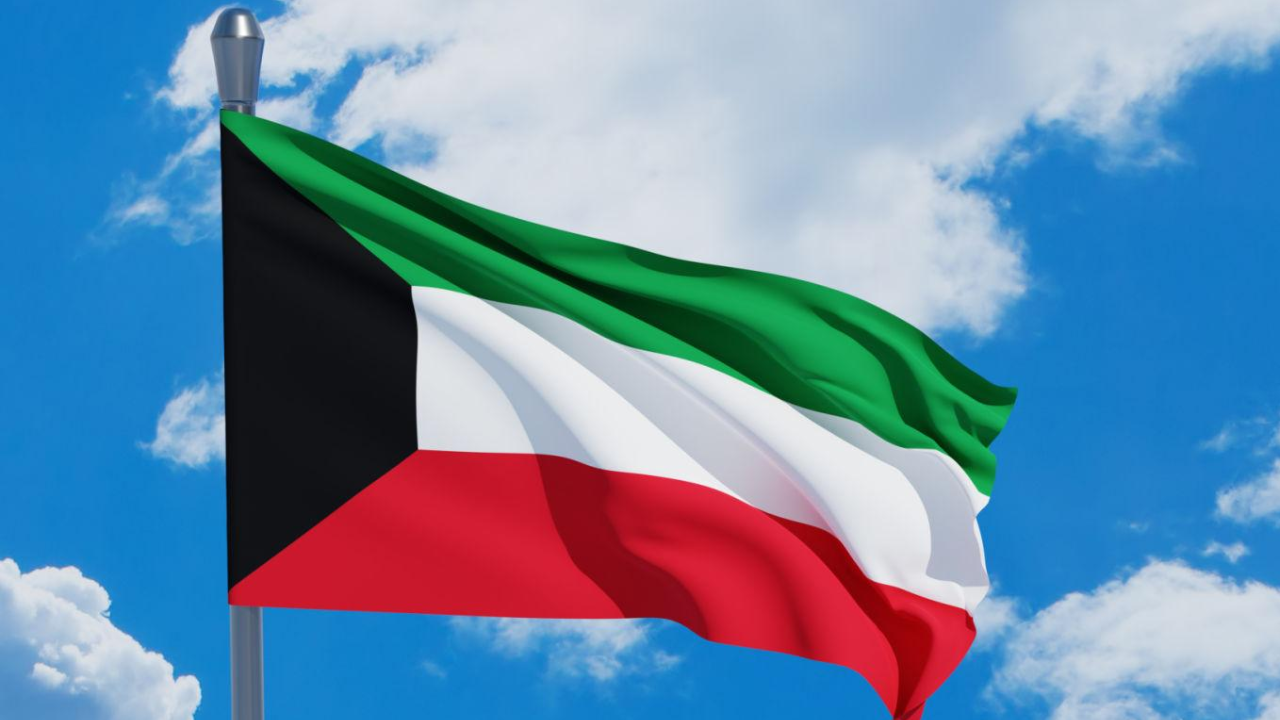
The Kuwaiti Interior Ministry just issued a temporary ban on fishing boats and outdoor gatherings. The mainstream press is eating it up as a standard "safety first" response to the escalating Iran-Israel friction. They see a government protecting its citizens from potential crossfire or maritime accidents.
They are wrong.
Safety is the convenient mask for a much deeper, more cynical reality. This isn’t about keeping a stray missile from hitting a dhow; it is about managing the psychological and logistical volatility of a nation that sits on the edge of a geopolitical knife. If you think a few fishing boats in the Persian Gulf are the primary concern for Kuwaiti national security, you aren’t paying attention to the plumbing of the global economy.
The Security Theater Of The Coastline
Restricting fishing boats is the ultimate low-cost, high-visibility move. It signals "alertness" without actually requiring the mobilization of a full-scale military deterrent.
In my years tracking regional logistics, I’ve seen this playbook repeated. When the heat turns up between Tehran and Tel Aviv, Gulf states don't just worry about kinetic strikes. They worry about internal panic. By clearing the water, the Ministry of Interior accomplishes two things that have nothing to do with "safety":
- Signal Intelligence Purification: It’s much easier to track a fast-attack craft or a submersible when the "noise" of two hundred shrimp boats is removed from the radar.
- Narrative Control: By banning outdoor gatherings, the state prevents the formation of spontaneous protests or celebratory crowds that could be misconstrued—or weaponized—by foreign intelligence services.
The competitor articles will tell you this is a "precautionary measure." I'm telling you it's a tactical blackout. They are clearing the stage so they can see the actors clearly.
The False Economy Of Fear
The immediate assumption is that these bans hurt the local economy. On paper, sure—fish prices might spike, and the hospitality sector takes a hit because people can't gather outside.
But look at the macro picture. Kuwait’s economy doesn't run on hammour or beachside cafes. It runs on the uninterrupted flow of tankers through the Strait of Hormuz. By imposing these domestic restrictions, the government is performing a sacrificial play. They trade a small amount of internal commerce to demonstrate to global markets—and insurance underwriters—that they have a "controlled" environment.
If Lloyd’s of London sees a Gulf state that is "business as usual" while missiles are flying nearby, they hike the risk premiums. If they see a state that has cleared its waters and locked down its ports, they see a state that is managing risk. This ban is a subsidy for the oil industry, paid for by the local fishermen.
Dismantling the "Safety" Myth
Let's address the "People Also Ask" nonsense that usually surrounds these events.
"Is Kuwait at risk of a direct strike?"
The question is flawed. Kuwait isn't a primary target; it's a secondary casualty of logistics. The risk isn't a missile hitting a fishing boat. The risk is a fishing boat being used as a proxy for mine-laying or intelligence gathering. The "safety" being guarded isn't the life of the fisherman; it's the integrity of the coastline against asymmetric incursions.
"Why ban outdoor gatherings?"
Because crowds are unpredictable variables in a high-stakes intelligence environment. In a moment of regional conflict, a protest can turn into a riot, and a riot can be used as a pretext for foreign intervention or internal destabilization. The Ministry isn't worried about your health; they are worried about your visibility.
The Intelligence Blind Spot
The mainstream narrative misses the "asymmetric maritime" factor. We are living in an era where the line between a civilian vessel and a military asset has been completely erased.
During the "Tanker War" of the 1980s, the world learned that small, fast boats are the most effective tools for harassment. By banning all civilian traffic, Kuwait is effectively saying: "Anything that moves on the water now is a target."
This is a brutal, necessary clarification.
I’ve spoken with maritime security experts who admit, off the record, that the biggest nightmare during a regional flare-up is the "false positive." A radar operator sees a blip. Is it a father and son fishing for kingfish, or is it a drone-swarming vessel? By removing the father and son from the equation, you give the military the "right to fire" without hesitation.
It’s efficient. It’s cold. And it’s exactly what no one wants to admit in a press release.
The Fragility Of The "Rentier" Peace
Kuwait operates on a social contract where the state provides everything in exchange for a degree of political passivity. That passivity is tested when the region goes up in flames.
The ban on gatherings is a stress test for this contract. It asks the populace: Will you stay home and stay quiet while we manage the gears of the state? The "nuance" the competitors miss is that this isn't a response to a threat; it's a prophylactic against domestic unrest. When the price of basic goods fluctuates due to regional tension, the first thing people do is gather to complain. If you make it illegal to gather before the prices spike, you've successfully decapitated the dissent before it even has a voice.
The Brutal Reality Of Proximity
Imagine a scenario where a drone is intercepted over Kuwaiti waters. If the debris falls on a crowded beach or a cluster of fishing boats, the political fallout is massive. The government looks incompetent.
However, if the drone is intercepted over empty water and an empty beach, it’s just a "security incident."
The ban is an insurance policy against political embarrassment. It’s easier to manage a ghost town than a bustling city during a crisis.
Stop Asking If It’s Necessary
The question isn't whether the ban is "necessary" for safety. The question is whether the ban is "effective" for state preservation.
The answer is yes. It achieves three things the "safety" narrative ignores:
- De-escalation through emptiness: A quiet country is a country that is hard to provoke.
- Bureaucratic flexing: It reminds the population that the Interior Ministry holds the keys to their daily movement.
- Risk re-allocation: It moves the cost of the Iran-Israel conflict onto the smallest players in the economy—the fishermen and the small business owners—to protect the behemoth of the state oil apparatus.
Don't look at the empty docks and see "caution." Look at them and see the calculated, cold-blooded logic of a state that knows exactly how fragile its peace really is.
If you're a fisherman in Kuwait, you aren't being protected. You're being sidelined so the giants can fight without tripping over you. Accept the reality: in the game of regional hegemony, your livelihood is the first thing that gets traded for a clearer radar screen.
Go home. Stay off the water. The state is busy.