A canal feeder built in 1836 wasn't supposed to run on hope nearly two hundred years later. Yet when you look at Lake Moraine lowered for dam repairs, you're seeing what happens when nineteenth-century public works collide with modern safety standards and tight state budgets.
Most headlines treat a lowered reservoir like a quirky local inconvenience. A few muddy banks. A shorter boat ride. Maybe a fishing spot that looks different this season. That misses the whole point. Dams aren't nostalgic monuments; they're high-consequence structures holding back millions of gallons of water above communities, roads, and ecosystems. In related developments, take a look at: Inside the Dealmaking That Keeps Putin's War Machine Running.
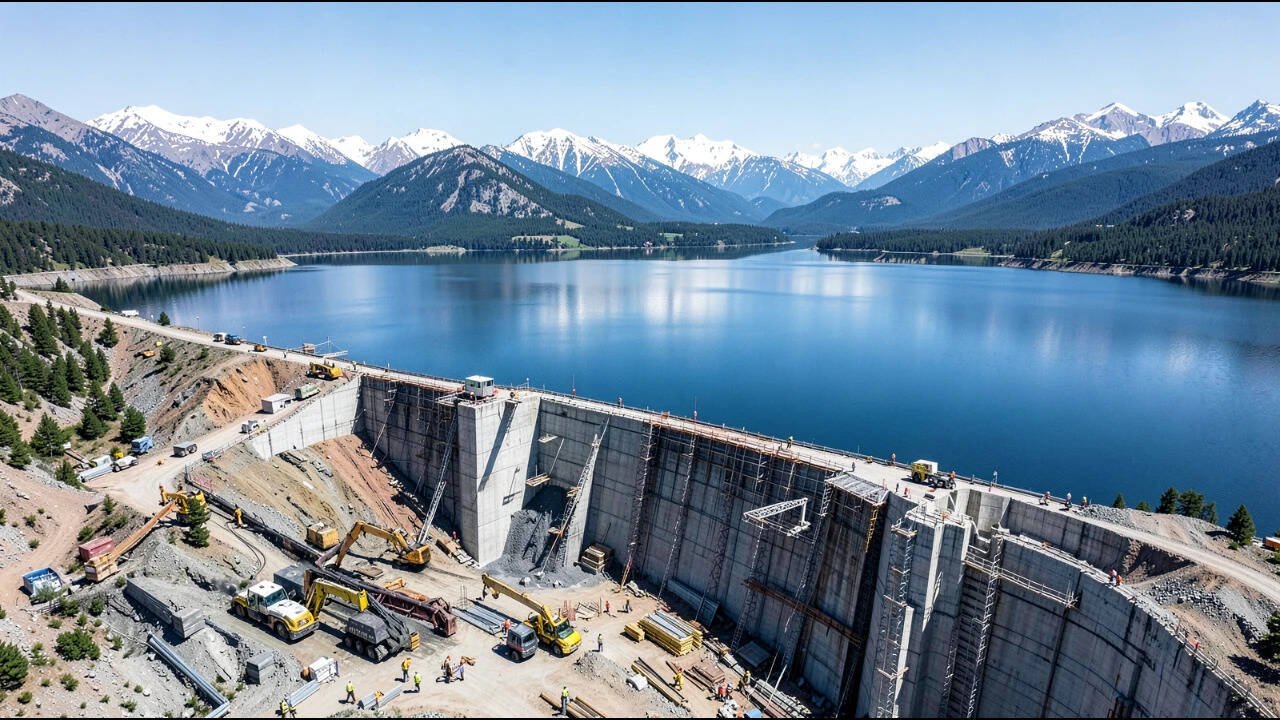
When engineers draw down a lake like Lake Moraine for repairs, it's rarely a routine afternoon patch job. Lowering the water level cuts hydrostatic pressure against aging walls and earthwork, buys room for inspection, and keeps downstream areas safer while work is underway. Still, anyone who follows infrastructure maintenance knows the real story usually starts decades before the heavy equipment shows up.
Why Lake Moraine Lowered for Dam Repairs Isn't Just a Routine Fix
People love to ask why something built in the 1830s is still standing at all. Honestly, there's some real craftsmanship in early canal-era engineering, especially when crews worked with stone, timber, soil, and brute muscle without modern concrete plants. At the same time, surviving isn't the same as meeting today's engineering criteria. TIME has analyzed this important issue in great detail.
Over nearly two centuries, a dam goes through a lot. Freeze-thaw cycles crack masonry and concrete over time. Tree roots or burrowing animals can test earthen embankments if vegetation isn't kept strictly in check. Spillways and outlet works wear down under seasonal runoff and heavy storms. Even a structure that looks calm on a sunny Tuesday can carry hidden seepage paths or undersized discharge capacity by modern standards.
Drawing down the lake does two critical jobs at once. First, it reduces the weight and push of water pressing against the structure, lowering risk while workers inspect and rebuild key components. Second, it exposes parts of the dam, shoreline, and control works that stay hidden when the basin is full.
Here's a mistake I see people make all the time: assuming a lake drawdown means the dam is about to fail catastrophically tomorrow. Usually, water managers lower levels proactively or under regulatory oversight once inspections reveal deficiencies that need correction before major storm events or long-term wear push conditions into dangerous territory.
What Nineteenth-Century Canal Engineering Got Right and Wrong
To understand why a 190-year-old dam needs major work today, you have to look at why it existed in the first place. In the 1830s, canal systems in New York and across the Northeast were economic lifelines. Reservoirs like Lake Moraine weren't built with recreational boaters or suburban subdivisions in mind. They were built to store water and feed canals so freight could move reliably.
That original purpose shapes everything that came after. Early builders were solving immediate water-supply and grade challenges with the materials and formulas of their era. Hydrology data back then was sparse compared to what engineers use today, and extreme rainfall probabilities weren't modeled across a century-and-a-half of climate shifts.
A lot of those old canal feeders and reservoirs eventually shifted roles. Once commercial canal traffic faded, state agencies or municipalities often inherited aging dams that still held significant water volumes. Keeping them safe meant adapting nineteenth-century infrastructure to twenty-first-century expectations for public safety, dam-break modeling, and environmental protection.
- Original design purpose: Feeding canal navigation often came first, long before modern flood-routing standards or recreation rules existed.
- Materials and aging: Older masonry, earth embankments, and timber or metal gates age differently and require specialized repair methods rather than off-the-shelf fixes.
- Changing weather extremes: Intense rain events test spillways and freeboard margins far harder than calm seasonal averages ever suggest.
The Hidden Costs of Keeping Old Infrastructure Alive
Whenever a project like this drags on or costs more than neighbors expected, someone asks why officials didn't fix it sooner. Having watched public works budgets up close, I can tell you the answer is usually a mix of competing priorities, permitting timelines, and deferred maintenance.
Dam rehabilitation isn't cheap, and it isn't fast. You have to engineer the fix, clear environmental and regulatory reviews, line up funding—often stitched together from state capital programs, grants, or local budgets—and schedule construction around weather and water flows. Miss a funding window or run into unexpected subsurface conditions, and a project stretches out.
There's also a trade-off between repairing an old dam and removing it or altering its storage level. Removing a dam can restore a more natural stream corridor and eliminate long-term liability, which sounds great on paper. In practice, communities often value the lake for fishing, scenery, property values, or local water management, making full removal a tough sell. So agencies end up paying to rebuild or reinforce what's already there.
How a Drawdown Ripples Through Water, Wildlife, and Local Life
Lowering a lake doesn't just change the view from the shore. It changes the entire local equation for a while.
Exposed shorelines and shallower water shift habitats for fish, amphibians, and wading birds. Some species adapt quickly to changing depths, while others lose preferred spawning or feeding areas during the work window. Boat launches may sit high and dry, docks can end up stranded on mud or rock, and anglers have to rethink where fish hold when water levels drop.
At the same time, a drawdown can give managers a rare chance to tackle side issues—like inspecting shoreline structures, clearing debris near intake areas, or studying sediment movement—that are nearly impossible when the lake is full. Whether that feels like a silver lining or a headache depends on whether you're trying to launch a boat on Saturday morning or trying to prevent a washed-out road downstream.
What to Watch and Do Next If You Live Near or Visit the Lake
If you live nearby, own property around the water, or just like visiting, don't rely on secondhand rumors about what's happening behind the construction fence. Rumors travel fast around lowered lakes, and most of them get the engineering or timeline wrong.
Check official updates from the agency managing the dam and lake, such as the state environmental or parks department responsible for the site. Look for specific notices on water-level targets, boat launch closures, fishing regulations, and safety perimeters around active heavy equipment. Stay well clear of work zones, steep muddy banks, and outlet channels—water movement and soft ground around drawdowns can be deceptively hazardous.
If you're planning a trip or managing local expectations, adjust your plans around current reservoir elevations rather than old guidebooks or photos from full-pool years. Keep an eye on public project updates if you care about long-term recreation access or local water management, and take the time to read actual engineering or agency summaries rather than social media shorthand. Old dams remind us of a simple truth: history built them, but keeping them safe is a job for the present.