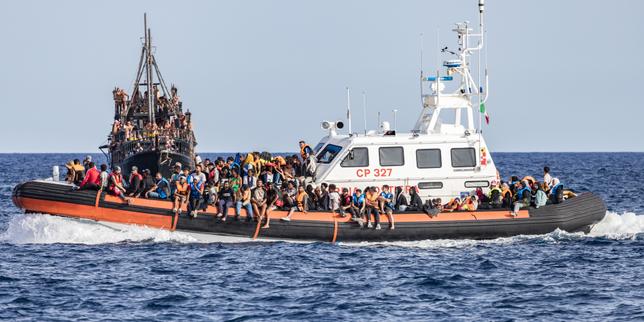
Eleven human beings lost their lives off the Tunisian coast. Another overloaded vessel sank into the cold waters of the Mediterranean. It's a tragic script that plays out far too often, yet the international community treats each occurrence like a surprise.
Let's be real about what's happening. The central Mediterranean remains the deadliest migration route on earth. When eleven bodies wash ashore or get pulled from the sea near Sfax, headlines flash for a few hours. Then the news cycle moves on. We shouldn't move on. You need to understand the structural failures driving these repeated disasters, because the human cost is staggering and entirely preventable.
The Grim Reality of Sfax and the Tunisian Coast
Sfax has turned into a major departure point for sub-Saharan migrants trying to reach Italy. Economic desperation, political instability, and rising xenophobia push people onto unseaworthy iron boats welded together in makeshift workshops.
People smugglers charge exorbitant fees for passage on vessels that have no business floating on a bathtub, let alone crossing an unpredictable sea. When these boats capsize, rescue resources are often too slow.
- Overcrowded hulls take on water within miles of the shore.
- Coast guard capacities get stretched thin across massive patrol zones.
- Local fishermen frequently become the first and only responders.
You have to look at the numbers with eyes wide open. Thousands attempt this crossing every single year. The risk calculation for these travelers is brutal. They know the odds. They know boats sink. But staying home feels like a guaranteed dead end.
Why European Policy Keeps Failing
Border externalization isn't working. Brussels pours millions into funding the Tunisian coast guard to intercept boats before they launch. That sounds proactive on paper. In practice, it traps vulnerable populations in a dangerous legal limbo.
Migrants face brutal crackdowns, arbitrary arrests, and systemic violence on land while traffickers adapt by launching from more remote beaches.
Throwing money at interception without offering legal, safe pathways simply drives people into more dangerous desperation.
When you choke off standard routes, you don't stop movement. You just make the journeys riskier. Smugglers pivot to night operations, worse weather windows, and flimsier crafts to avoid patrol boats.
What Happens to the Survivors
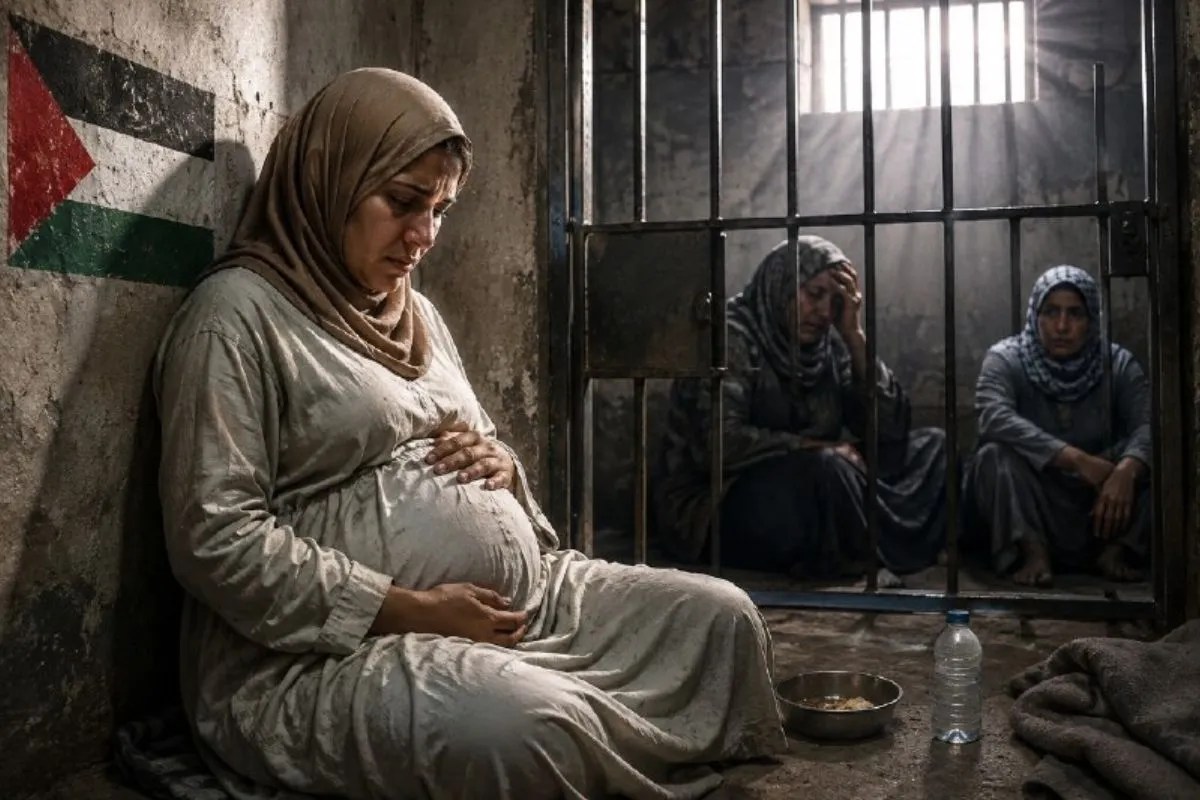
Surviving the shipwreck is only the beginning of a bureaucratic and psychological nightmare. Survivors pulled from the water face indefinite detention, lack of medical care, and constant fear of deportation.
Human rights organizations repeatedly sound the alarm about conditions in detention centers along the North African coast. Yet real accountability remains rare. Local NGOs do heroic work with zero resources, but they're swimming against a tidal wave of political indifference.
If you care about human rights, you have to look past the political posturing. Support independent rescue charities operating in the Mediterranean. Push your representatives to champion legal migration channels. Stop treating human lives as a border control metric. The eleven souls lost off Tunisia deserved better than a fleeting news alert. They deserved a world that valued their survival.