The bread smelled like burnt sugar and dust. In a small bakery tucked into a narrow alleyway near Tehran’s Grand Bazaar, the baker, a man named Reza with flour etched into the deep lines of his forehead, stopped mid-knead. He didn’t look at the radio. He didn't have to. The music had stopped, replaced by the rhythmic, haunting drone of Koranic recitations. In Iran, that sound is the first herald of a tectonic shift. It is the sound of an era ending.
State media eventually found the words, cold and clinical, to confirm what the sudden change in broadcast signaled. Ayatollah Ali Khamenei, the man who had occupied the center of the Iranian universe for over three decades, was dead.
He was 86. He was the Supreme Leader. He was, for millions of Iranians, the only constant in a world of shifting sanctions, digital uprisings, and shadow wars. Now, he was a headline.
To understand the weight of this moment, you have to look past the geopolitical maps and the nuclear enrichment percentages. You have to look at the streets. Tehran is a city of noise—the roar of motorbikes, the haggling of vendors, the persistent hum of a population that is 70% under the age of 30. When the announcement hit, that noise didn’t just fade. It curdled.
The Architecture of an Absolute
Khamenei did not just lead a country; he defined its boundaries. Since 1989, he acted as the ultimate arbiter of law, faith, and foreign policy. Imagine a CEO who also happens to be the supreme court justice, the head of the military, and the moral compass of the nation, all rolled into one frail, bearded figure in a black turban.
His power was not just political. It was structural.
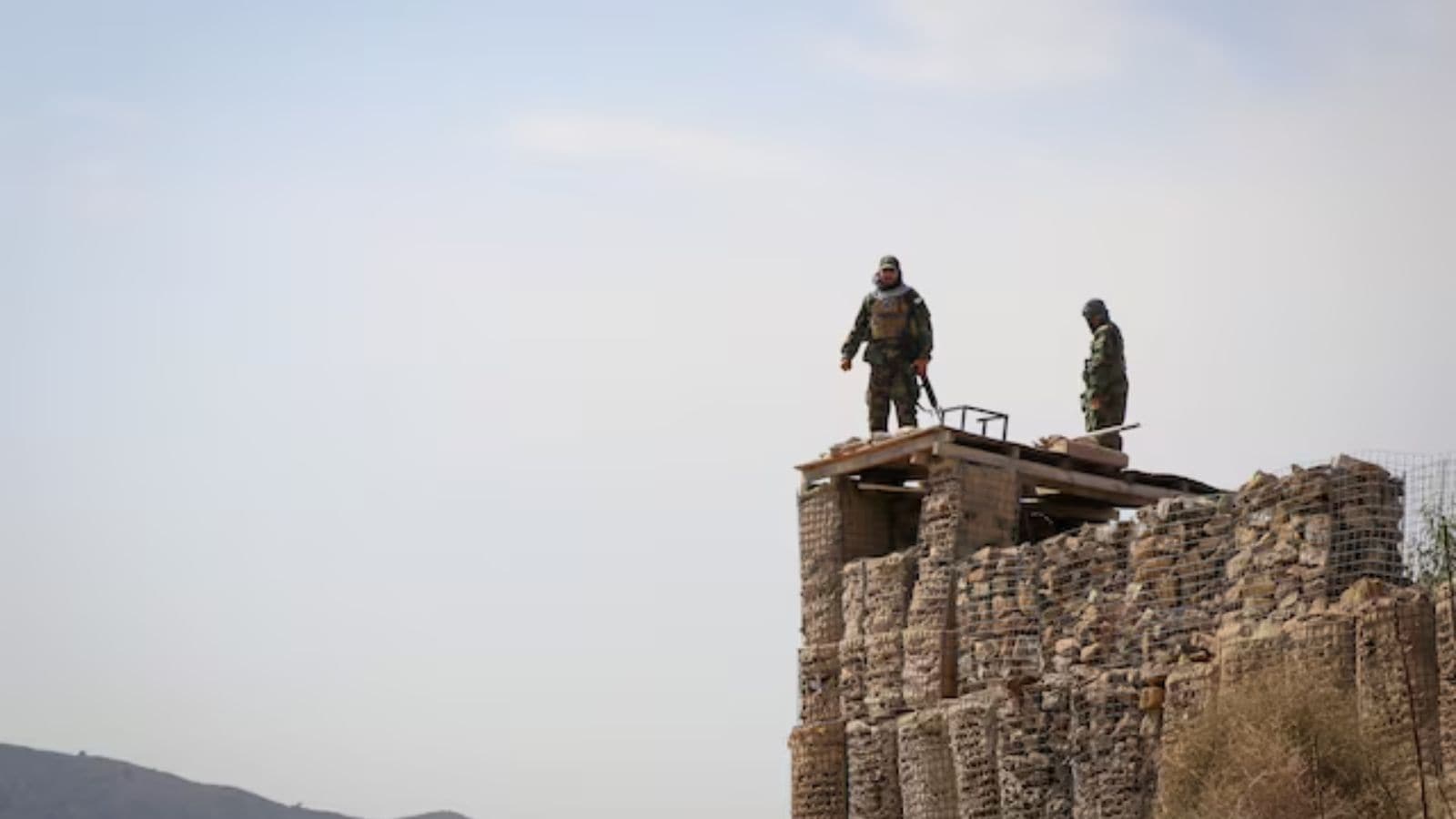
Under his watch, the Islamic Revolutionary Guard Corps (IRGC) grew from a specialized militia into a sprawling economic empire. They own the construction companies that build the highways. They manage the telecommunications that filter the internet. They are the steel skeleton of the state. With the heartbeat of the Supreme Leader gone, that skeleton is suddenly supporting a body that doesn't know where to walk.
Consider the "Assembly of Experts." On paper, this group of 88 clerics is tasked with choosing the successor. In reality, it is a room full of men trying to catch a falling knife. The process is shrouded in layers of clerical tradition and backroom bargaining that would make a Vatican conclave look transparent.
The Ghost in the Machine
The vacuum left behind is not just a hole in the government. It is a psychological rift. For a young woman in Isfahan, her entire life has been lived under the shadow of his decrees. The mandatory hijab, the morality police, the defiant speeches against the "Great Satan"—these were the weather patterns of her existence.
There is a specific kind of tension that exists in a country where the future is a forbidden topic. For years, Iranians have whispered in cafes about "the day after." They wondered if the transition would be a collapse or a consolidation.
Now, "the day after" is today.
The IRGC faces a choice. Do they allow the Assembly to pick a scholarly cleric who provides a mask of religious legitimacy, or do they push for a hardliner who will drop the pretense and lean into a military-style autocracy? The stakes aren't just about who sits in the chair. They are about whether the Iranian state remains a theocracy or evolves into a direct military dictatorship.
The Invisible Borders
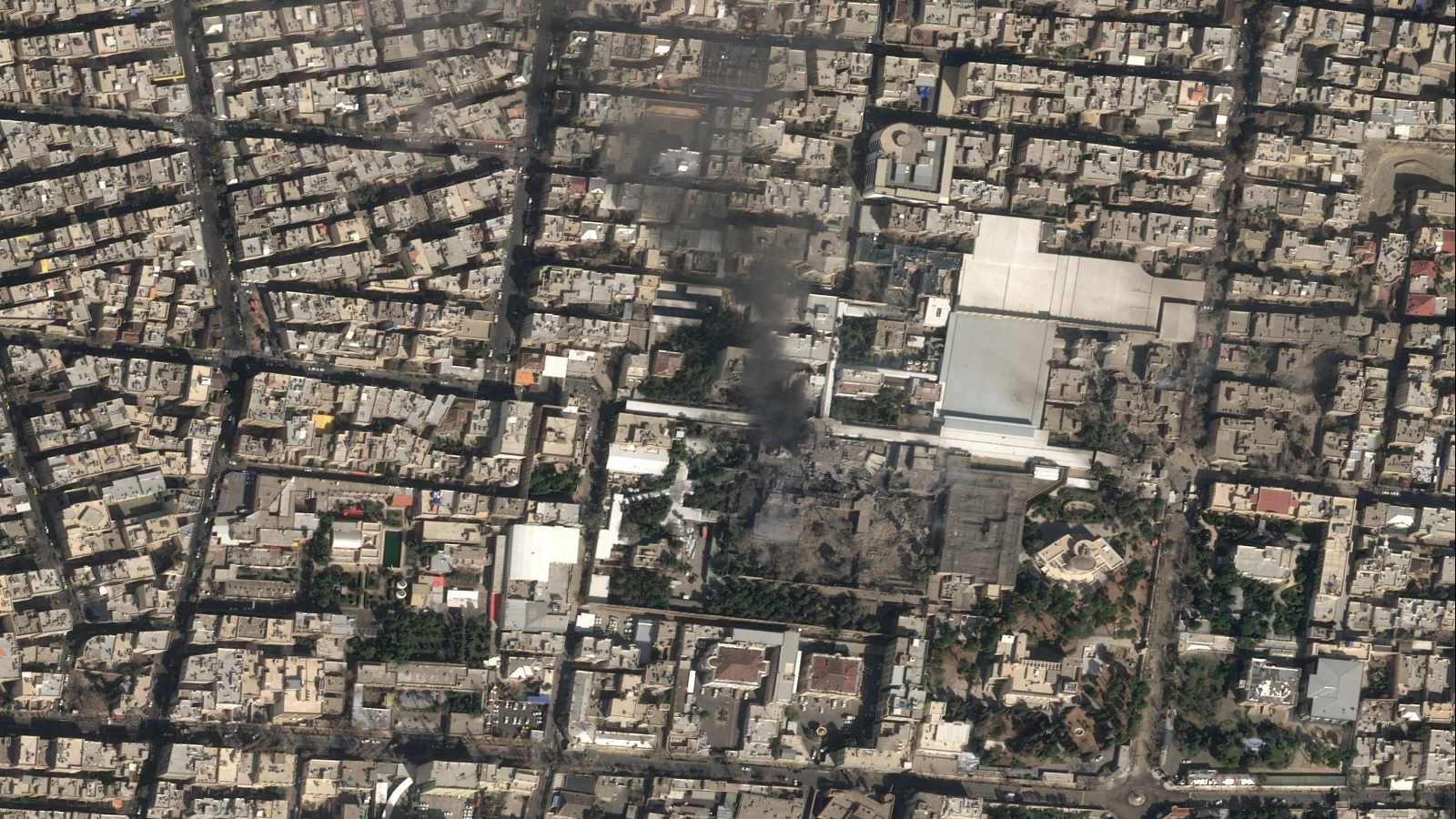
Outside the borders, the world held its breath. In Washington, London, and Tel Aviv, analysts stared at satellite feeds, looking for signs of movement. A change in leadership in Iran is not a local event. It ripples through the militias in Lebanon, the oil markets in the Gulf, and the proxy battles in Yemen.
But inside the borders, the concerns were more immediate.
Prices at the grocery stores began to flicker. In times of uncertainty, the rial—the local currency—tends to dive. People ran to the ATMs. They bought gold. They bought sacks of rice. Fear in Iran doesn't always look like a riot; sometimes it looks like a long line at a pharmacy.
There is a metaphor often used in Persian poetry about the "Simurgh," a mythical bird. To find the Simurgh, thirty birds must travel through seven valleys of hardship. When they finally reach the end, they realize that they, collectively, are the Simurgh. The leadership is gone, but the 85 million people remain. They are the ones who have to live in the wreckage of the transition.
The Weight of the Turban
The successor will inherit a nation that is exhausted. It is a country of brilliant engineers who can’t access the global market, and world-class artists who have to hide their canvases. The "Maximum Pressure" of international sanctions has left the middle class hollowed out, while the elite live in villas in North Tehran that rival anything in Beverly Hills.
This disparity was the quiet fuel for the protests that defined the last few years of Khamenei's reign. The slogans "Woman, Life, Freedom" didn't just disappear; they went underground, waiting for a moment of institutional weakness.
The death of a Supreme Leader is that moment.
But history is a cruel teacher in this part of the world. Power rarely moves from the strong to the weak without a struggle. The IRGC has spent decades preparing for this exact succession. They have the guns, the money, and the surveillance tech. They are not likely to hand over the keys to the kingdom because of a funeral.
The Sound of the Morning
As the sun began to rise over the Alborz mountains the day after the announcement, the city felt different. It was cleaner, somehow. The smog seemed thinner because fewer cars were on the road.
Reza, the baker, finished his shift. He walked out into the cool morning air and saw a group of young men standing on a corner, looking at their phones in silence. They weren't crying. They weren't cheering. They were waiting.
There is a specific word in Farsi, entezar, which means waiting or expectation. It carries a heavy, spiritual weight. It is the feeling of being in a hallway between two rooms, not knowing if the next door leads to a garden or a furnace.
The state media will spend the next week broadcasting images of massive funeral processions. They will show seas of people in black, weeping and beating their chests. Some of that grief will be genuine; for the older generation, the Leader was a symbol of stability in a century of chaos. But for many others, the tears will be for the uncertainty of what comes next.
The Great Silence has fallen. But silence in Tehran is never empty. It is a pressurized space, filled with the breath of millions of people who are wondering, for the first time in thirty-five years, if they might finally have a say in the story of their own lives.
The radio continued its recitation, the verses rising and falling like the wind through the desert. The baker turned the corner and disappeared into the shadows of the alley, leaving the empty street to the ghosts of the old regime and the nervous energy of the new.
Tehran is a city built on fault lines. Sometimes the earth shakes, and sometimes it just waits for the next tremor.
The king is dead. The machine remains. The people are still there, watching the horizon, waiting to see if the sun will actually rise, or if it will just be another long, dark night under a different name.