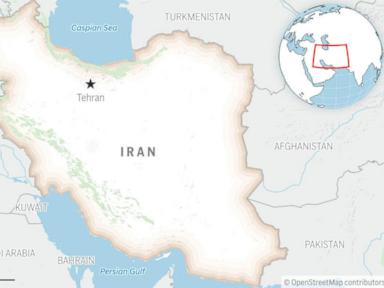
The air in a shopping mall has a specific, manufactured quality. It smells of vanilla-scented candles, new polyester, and the metallic tang of espresso machines. It is a climate-controlled sanctuary where the chaos of the street is silenced by glass and polished granite. In the Mehr-o-Mah shopping center near Qom, Iran, that sanctuary was shattered on a Tuesday night. It didn't happen with a roar. It began with the flicker of a fluorescent bulb and the smell of melting plastic.
Then came the dark.
Imagine a father, let’s call him Reza, standing in a toy store on the second floor. He is holding a plastic truck, debating whether the price tag justifies the look on his son’s face when he gets home. In an instant, the brightly lit aisles vanish. The hum of the air conditioning dies. For a few seconds, there is only the sound of heavy breathing and the distant, muffled chime of a security alarm. Then, the first scream.
This is where the cold statistics of a news ticker fail us. They tell you that eight people died. They tell you that dozens were rushed to hospitals, their lungs heavy with soot and their skin mapped with burns. But the statistics don't tell you about the texture of the panic. They don't mention the way the smoke feels like a physical weight, pressing against your chest, or how the layout of a familiar building becomes a labyrinth of death when you can no longer see the exit signs.
The Mehr-o-Mah center is not a small, crumbling bazaar. It is a modern hub, a place of glass and steel. Yet, when the fire broke out, those modern materials became a liability. Synthetic fabrics in clothing stores ignited, releasing thick, black plumes of toxic gas. Glass storefronts shattered under the heat, turning into jagged obstacles in the dark.
Safety is an invisible contract we sign with the spaces we inhabit. We walk into a theater, a stadium, or a mall under the assumption that the engineers thought of our survival. We assume the sprinklers will work. We assume the fire doors aren't propped open with a wooden wedge. When eight people do not return home from a Tuesday night shopping trip, that contract is torn to pieces.
The emergency services in Iran arrived to find a scene that looked less like a mall and more like a battlefield. Firefighters pushed through the crowds of fleeing shoppers, their oxygen tanks clanking against their gear. Outside, the night air was thick with the smell of scorched rubber and the cries of families waiting for news.
Consider the logistical nightmare of a high-occupancy fire. It isn't just about putting out the flames. It is about the triage. It is about deciding who gets the first oxygen mask and who is already too far gone. For the thirty-some people injured, the trauma did not end when they were pulled into the cool night air. The heat of a structural fire can reach over 600 degrees Celsius in minutes. At those temperatures, the very air you breathe can sear your throat and lungs, leaving permanent scars that no amount of recovery can fully erase.
But why did it happen?
In the aftermath, the questions always follow a predictable, agonizing rhythm. Was it an electrical short? A discarded cigarette? A kitchen accident in the food court? While investigators sift through the charred remains of the Mehr-o-Mah, the underlying truth is often more systemic than a single spark. It is about the gap between rapid urban development and the rigorous, often expensive, enforcement of safety codes.
When we build faster than we can regulate, we create ticking clocks. A mall becomes a chimney. A hallway becomes a trap.
In the days following the fire, the city of Qom felt the weight of the silence. Eight empty chairs at dinner tables. Eight sets of shoes by the door that will never be stepped into again. The injured will eventually heal, at least physically, but the psychological architecture of their lives has been altered. They will never walk into a crowded building again without checking for the nearest exit. They will never smell smoke without their heart rate spiking to a frantic gallop.
We often treat news like this as a distant tragedy, something that happens "over there" in a place with different rules and different lives. But the human element is universal. The desperation of a mother searching for her child in a smoke-filled corridor is the same in Qom as it is in London, New York, or Tokyo. The failure of a fuse or the neglect of a fire alarm is a global frailty.
The real cost of the Mehr-o-Mah fire isn't measured in the rials required to rebuild the storefronts. It’s measured in the loss of that fundamental sense of security. It’s found in the realization that the places we go to find joy and community can, in the blink of an eye, become the setting for our final moments.
As the sun rose over the blackened shell of the shopping center the next morning, the smell of smoke still lingered in the air, a stubborn ghost of the night before. Passersby stopped to stare at the broken windows and the soot-stained walls. Some left flowers. Others just stood in a heavy, contemplative silence.
The lights in the city eventually came back on, and the traffic resumed its frantic pace. But for eight families, the world remained stubbornly, permanently dark. They are left with the echoing silence of a shopping trip that never ended, a stark reminder that beneath the polished granite and the vanilla-scented air, our safety is a fragile, precious thing that we must never take for granted.


