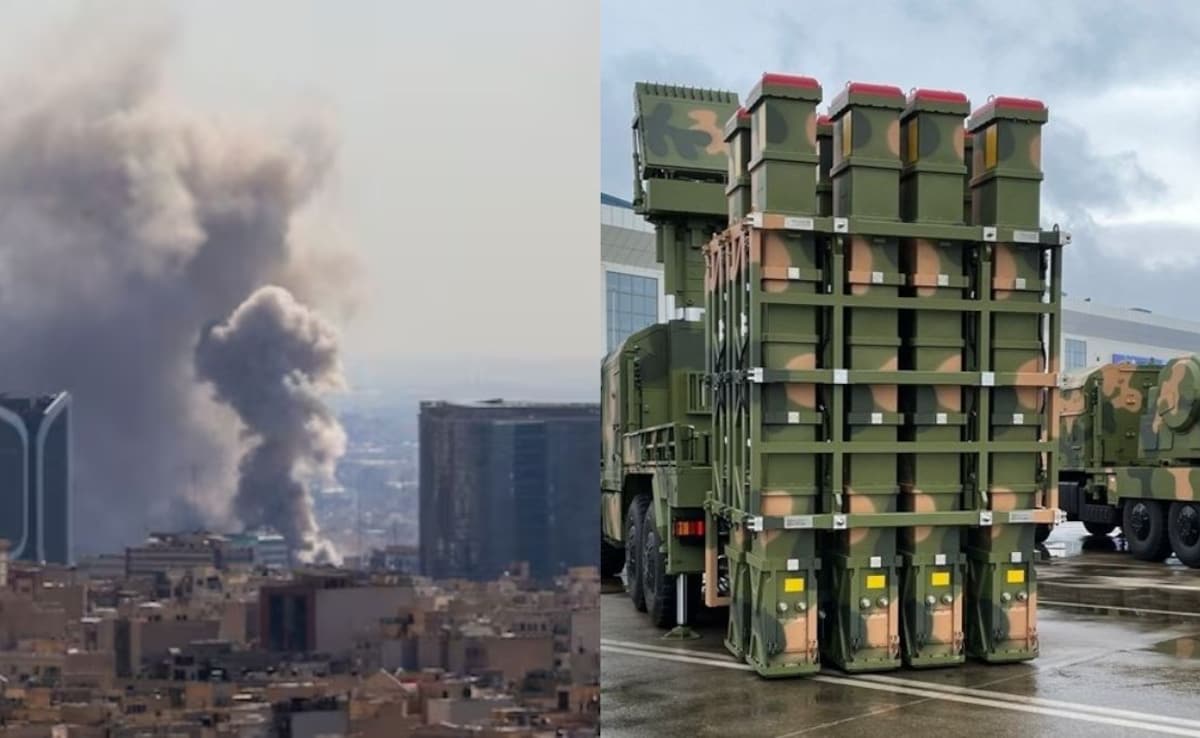
The structural integrity of a civilian population during high-frequency aerial bombardment is not merely a function of kinetic defense systems like the Iron Dome; it is a calculation of psychological attrition and the breakdown of circadian rhythms. While media narratives focus on the visual spectacle of interceptions, the true metric of societal endurance lies in the Sleep-Depletion Gradient. When a populace "doesn't really sleep," as reported by expatriate researchers in Israel, they are experiencing a systematic degradation of cognitive resources that precedes physical infrastructure failure. This analysis deconstructs the mechanics of life under active fire through the lenses of defensive architecture, physiological tax, and the logistics of prolonged stay in fortified environments.
The Triad of Civil Defense Infrastructure
Israel’s survival during Iranian ballistic and cruise missile salvos rests on three distinct but interdependent layers. The failure of any single layer renders the others statistically insufficient.
- Kinetic Neutralization (The Active Shield): This involves the multi-tiered interception array—Arrow 2 and 3 for exo-atmospheric threats, David’s Sling for medium-range vectors, and Iron Dome for short-range artillery. The efficacy of these systems determines the "Safe Zone" probability, but they do not eliminate the secondary threat of falling shrapnel or unspent fuel.
- Hardened Habitats (The Passive Shield): The Mamad (reinforced internal room) and Miklat (communal bomb shelter) represent the final physical barrier. Modern Israeli building codes mandate that these structures withstand specific overpressure values. The transition from a bedroom to a Mamad must occur within the "Time-to-Shield" window, which varies from 90 seconds in central regions to 15 seconds in border zones.
- Real-Time Telemetry (The Informational Shield): The Home Front Command app and localized sirens provide the data stream necessary for civilian movement. This system creates a "Trigger-Response" loop that, while lifesaving, induces a state of permanent hyper-vigilance.
The Physiology of Intermittent Survival
The "shelter life" described by Indian scientists and other foreign nationals is defined by the Interruption Frequency. Human biology is not calibrated for the sudden shift from deep sleep (Stage 3 NREM) to high-intensity physical exertion (sprinting to a shelter) within a sub-two-minute window.
The Cortisol-Adrenaline Spike Cycle
Each siren initiates an immediate sympathetic nervous system takeover. Adrenaline floods the system to facilitate rapid movement, followed by a cortisol spike to manage the perceived life-threat. When these spikes occur multiple times per night, the body enters a state of "allostatic load." The primary consequence is not just tiredness; it is the erosion of executive function, heightened emotional lability, and a diminished immune response.
Circadian Disruption as a Weapon of Attrition
Iranian missile tactics often leverage nighttime launches to maximize psychological impact. By forcing a population into shelters during peak melatonin production, the aggressor achieves a "Soft Power" victory without needing a single kinetic impact. The economic cost of a sleep-deprived workforce—measured in lost GDP and increased workplace accidents—is a calculated byproduct of the bombardment strategy.
Logistical Constraints of the Fortified Environment
Living in a shelter is an exercise in resource management under spatial constraints. The Indian scientific community in Israel, often living in high-density research hubs like Rehovot or Haifa, faces specific logistical bottlenecks that define their daily operational capacity.
- Communication Persistence: In deep-set communal shelters, Faraday cage effects can degrade cellular and Wi-Fi signals. Maintaining a "Life-Link" to families abroad becomes a struggle against signal attenuation, adding an extra layer of isolation-induced stress.
- Acoustic Trauma: The sound of a ballistic missile interception is a double-edged sword. While it signals a successful defense, the decibel level of an explosion at altitude, coupled with the resonance of the shelter walls, creates an environment of "Acoustic Siege."
- The Proximity Paradox: Scientists and high-skill workers often prioritize proximity to their laboratories. However, in a conflict scenario, the density of these urban hubs increases the "Target Richness" for an adversary, forcing a choice between professional continuity and safety margins.
The Cost Function of Modern Interception
The narrative often ignores the sheer economic disparity between the offense and the defense. This is the Asymmetric Expenditure Ratio.
- Launch Cost: An Iranian Shahed-type drone or a basic liquid-fueled missile costs between $20,000 and $100,000.
- Interception Cost: A single Tamir interceptor (Iron Dome) costs roughly $50,000, while an Arrow-3 interceptor can exceed $2 million.
- Human Capital Cost: The "Don't sleep" factor represents the most significant, yet least quantified, expense. If a researcher at the Weizmann Institute loses four hours of high-level cognitive output due to shelter transit, the delay in R&D cycles has a compounding negative value.
This creates a scenario where the defense is "winning" the kinetic battle while "losing" the economic and psychological war of attrition. The stability of the system depends on whether the civilian population can normalize the trauma faster than the adversary can escalate the launch frequency.
Strategic Adaptation and Behavioral Resilience
To maintain operational status, expatriate and local populations have moved toward "Active Adaptation." This involves shifting life patterns to match the conflict's rhythm—a process known as Threat-Syncing.
- Micro-Napping Protocols: Shifting from monophasic to polyphasic sleep patterns to ensure at least some REM cycles are achieved between siren windows.
- Digital Hardening: Pre-downloading essential data and using offline communication mesh networks to bypass the "Faraday" problem of shelters.
- Communal Buffer Zones: The Indian scientific diaspora often utilizes "Group Vigilance," where individuals rotate "watch" duties to allow others to sleep more soundly, trusting they will be woken only when a genuine threat is imminent.
The persistence of the Indian scientific community in Israel despite these conditions suggests that the "Value of Mission" (scientific progress and career trajectory) currently outweighs the "Cost of Risk." However, this equilibrium is fragile. If the frequency of Iranian attacks increases to a point where the Recovery Window (the time between sirens) falls below 90 minutes—the length of a full human sleep cycle—the civilian population will face a systemic neurological collapse.
The current strategy for those on the ground must be the aggressive optimization of the "Shelter-State." This means transforming the Mamad from a temporary bunker into a fully equipped secondary workspace and recovery pod. Resilience is no longer about "waiting for the war to end"; it is about integrating the threat into a high-performance lifestyle. The ultimate defense against a strategy of exhaustion is the refusal to be exhausted—a feat achieved through rigorous logistical preparation and the calculated exploitation of every available minute of quiet.