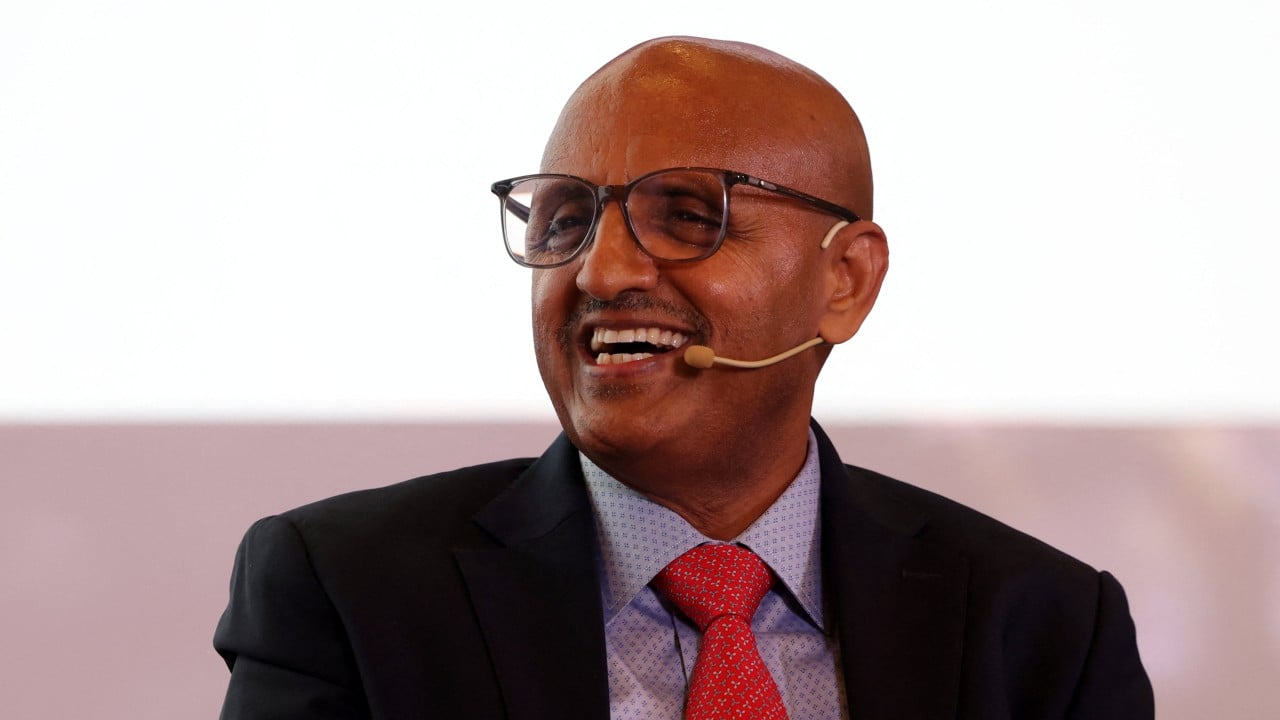
Most people outside Wall Street had never heard the name Colette Kress before November 12, 2026. When Jensen Huang abruptly stepped down following scandal revelations, Nvidia's board handed the keys of the world's most critical AI chipmaker to its longtime Chief Financial Officer. Eleven days later, on November 23, the board reversed course and reinstated Huang.
If you only read the breaking news alerts, Kress looks like a temporary placeholder who kept the seat warm while Silicon Valley and Washington negotiated Huang's comeback. That reading is completely wrong.
In reality, those 11 days exposed the exact fault lines running through Nvidia's executive suite, its multi-billion-dollar AI financing machine, and its lack of a real succession plan. Kress didn't just hold the fort during a governance crisis. She quietly signaled a major shift in how Nvidia spends its cash—and stepped right back into a CFO role that has never been more complicated.
Who Is Colette Kress and How Did She Reach the Top of Nvidia?
Colette Kress isn't a flashy product visionary or a charismatic stage presenter. She's a career finance operator who spent decades mastering enterprise tech balance sheets before AI became a household phrase.
Before Nvidia recruited her in September 2013 after a two-year executive search, Kress built her reputation across three legacy tech giants:
- Texas Instruments: Where she started her career in corporate finance.
- Microsoft: Where she served as CFO of the Server and Tools division.
- Cisco: Where she ran finance for the Business Technology and Operations section.
When Kress joined Nvidia, it was actually the smallest company she had ever worked for. Back in 2013, Nvidia was still best known for selling graphics cards to PC gamers. Over the next thirteen years, she oversaw the financial architecture behind its transformation from a gaming supplier into the primary hardware engine of the global AI boom.
She also got extraordinarily wealthy doing it. Based on her Nvidia equity holdings, Kress became a billionaire in July 2025, making her one of the rare non-founder corporate CFOs to cross that threshold. By fiscal year 2026, her total annual compensation hit $14.34 million.
The Untold Friction Between Kress and Jensen Huang
To understand why Kress's 11-day stint as interim CEO matters, you have to look at what happened behind closed doors months before Huang resigned.
For years, Wall Street viewed Kress and Huang as a frictionless duo. Huang dreamed up the silicon roadmaps and cut handshake deals with tech founders, while Kress translated that hyper-growth onto quarterly earnings calls. Then came the debate over Nvidia's aggressive investment strategy.
In August 2026, Huang called a meeting with Kress and senior finance leaders to discuss extending billions of dollars in financial guarantees to AI companies that couldn't afford Nvidia's chips outright. According to reporting by The Wall Street Journal, the meeting got tense. Huang reportedly interrupted Kress, calling her a "deer in the headlights" and dismissing her as a "reporting CFO" rather than a strategic decision-maker.
That clash turned Kress into the primary internal counterweight to Huang's "circular AI economy" deals—where Nvidia invests in or backs the very startups and neoclouds buying its GPUs. While Huang pushed full speed ahead on ecosystem expansion, Kress embodied institutional caution. Her calm, buttoned-up demeanor offered an immediate contrast to Huang's high-wire management style.
What Actually Happened During Her 11 Days as Interim CEO
When Huang stepped down on November 12, 2026, following reports surrounding extramarital affairs and mounting federal scrutiny, Nvidia didn't just name Kress interim CEO. The board also appointed longtime director Harvey C. Jones as its first-ever independent chairman—a structural check Nvidia had operated without for decades.
Kress kept her titles as Executive Vice President and CFO while taking over the top job. She didn't get a pay bump in the SEC filings. What she did get was an immediate test under extreme market pressure.
The Earnings Call Signal Wall Street Paid Attention To
Just five days into her tenure, on November 17, Kress led Nvidia's third-quarter earnings briefing. At that moment, the company's official stance was clear. Chairman Harvey C. Jones stated plainly that the board had unanimously accepted Huang's resignation and had no intention of bringing him back.
Kress used that call to project calm and drop a subtle but massive hint about Nvidia's future capital allocation. Addressing Nvidia's role as the unofficial bank of the AI startup world, she told analysts that the company would be "disciplined and selective" going forward, rigorously evaluating future investments, commitments, and guarantees.
For AI labs and cloud startups relying on Nvidia's balance sheet to fund their compute clusters, that single sentence landed like a cold shower. Under Kress, the free-flowing spigot of vendor financing looked ready to tighten.
Why the Board Reversed Course So Quickly
Eleven days wasn't enough time for Kress to overhaul Nvidia's strategy, largely because external pressure boiled over.
Nvidia's stock took a beating during the leadership vacuum, dragging down broader market indexes. Meanwhile, a "Stand with Jensen" petition circulated among employees and Silicon Valley allies, with figures like Elon Musk warning publicly that many of Nvidia's critical supply-chain agreements were built on personal handshakes with Huang rather than rigid contracts. Even President Donald Trump weighed in publicly and privately, lobbying for Huang's return and stating the U.S. economy needed him at the helm.
On November 23, after receiving assurances from senior U.S. officials regarding national security questions, the board unanimously voted to reinstate Huang as CEO, president, and director.
What Colette Kress's Return to CFO Means for Investors and Tech Leaders
Huang is back in the leather jacket, and Kress signed the November 23 regulatory filing in her familiar capacity as EVP and CFO. If you think everything simply snapped back to normal, look closer at the governance mess left behind.
First, the succession question is wide open. Upon his return, Huang told staff that having over 60 executives reporting directly to him makes traditional succession planning unnecessary. Governance experts and institutional investors aren't buying it. Kress proved she could steady the ship in an emergency, yet the board's rapid U-turn showed they didn't view her—or anyone else on the bench—as a permanent replacement for Huang's engineering and dealmaking reach.
Second, regulatory and accounting scrutiny just intensified. Huang's reinstatement didn't halt ongoing congressional inquiries into chip diversions or an SEC examination into Nvidia's complex financial commitments across the AI ecosystem. That lands squarely on Kress's desk.
If you're tracking Nvidia as an investor, partner, or tech buyer, watch these three concrete indicators over the next two quarters:
- Off-balance-sheet guarantees in upcoming 10-Q filings: Check whether Kress's "disciplined and selective" warning actually slows down Nvidia's financial backing of smaller AI cloud providers.
- Governance hires: Nvidia's board committed to hiring a dedicated Chief Compliance Officer reporting to its governance committee, alongside a new National Security and Export Control Oversight Committee. Watch how much real authority these guardrails hold.
- Supply chain and customer concentration: Pay attention to whether big hyperscalers diversify faster toward custom silicon or rivals like AMD after seeing how dependent Nvidia remains on a single founder.
Colette Kress held the CEO title for less than two weeks, yet her brief tenure revealed the exact tension defining Nvidia's next chapter: a $3-trillion-class juggernaut trying to balance founder-led aggression with basic corporate accountability.