The air in Bakersfield tasted of dry dust and old diesel on the morning the pumps clicked upward.
I remember watching the digital numbers spin past four dollars, then five, flashing like a roulette wheel that only ever hit zero for the house. You do not notice the first ten-cent jump. You absorb it. You cut back on groceries, you skip the weekend visit to your mother two towns over, you tell yourself it is just a temporary tremor in the machinery of global trade. But when the conflict in the Middle East flares, the tremor becomes an earthquake.
Half a world away, a tanker negotiates a narrow strip of water choked with politics and metal. Here, in a kitchen with a linoleum floor that has seen better decades, a single mother watches her utility bill arrive with the quiet dread of a physical blow.
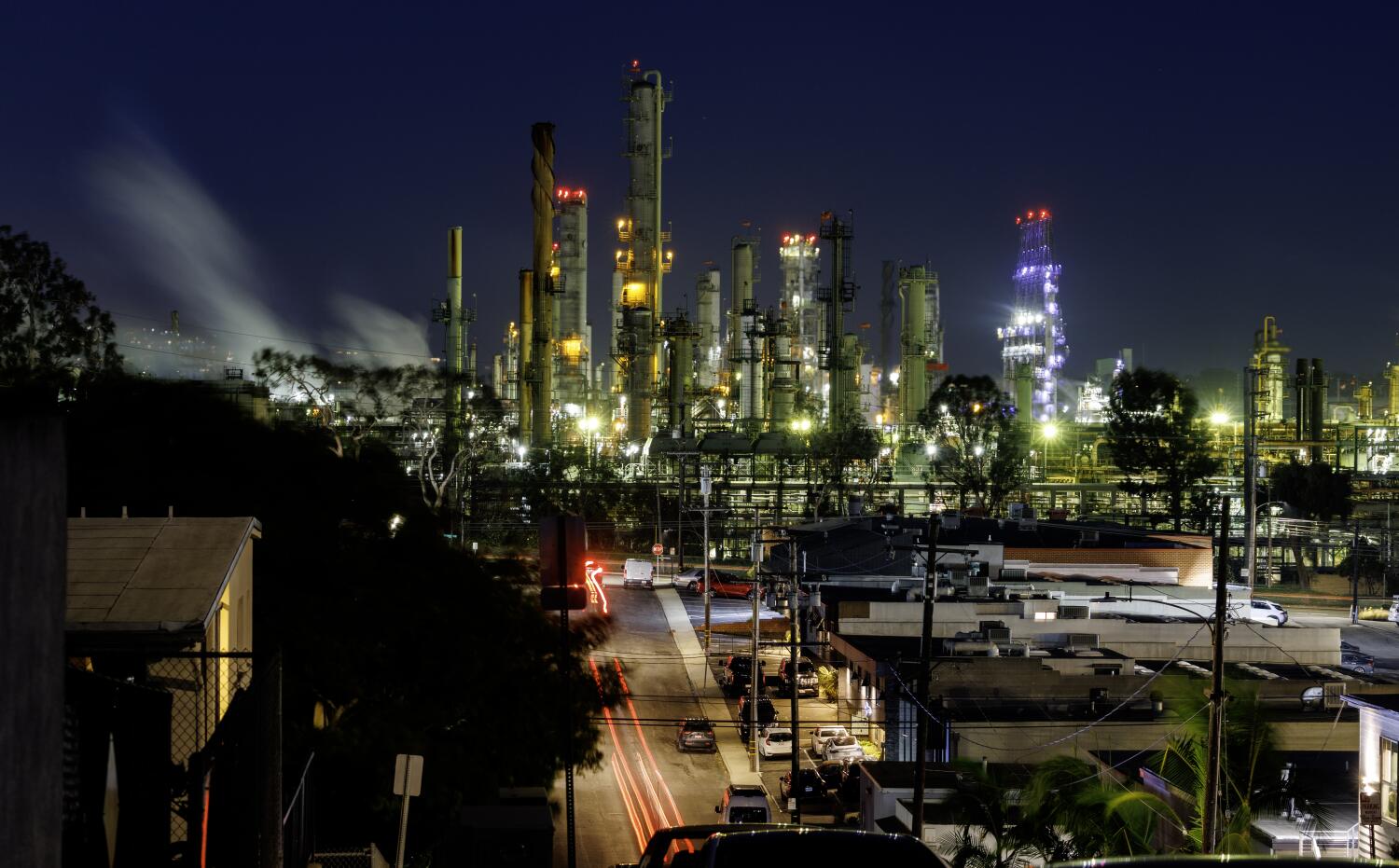
Energy companies report record margins.
The phrase sounds clean in a financial quarterly report. It smells sterile. It looks like neat green columns ascending on a backlit screen in a Manhattan boardroom. But on the ground, those margins translate into something entirely different. They translate into colder winters, parked cars, and the sickening realization that keeping the lights on has become an act of financial survival.
California officials are watching the exact same numbers, though from a vastly different elevation.
When the conflict in Iran sends crude oil futures spiking, the ripple effect hits the West Coast harder than almost anywhere else in the nation. We live in an isolated energy island. Our gasoline must meet specific, rigorous environmental blends that few refineries outside our borders can produce. Our electricity grid strains under the twin weights of summer heat domes and aggressive decarbonization timelines.
So when global crude spikes, the state government panics in suits. They call emergency meetings. They draft proposals.
Consider what happens next: the state legislature floats ideas of windfall profit taxes, price gouging penalties, and emergency mandates requiring refiners to maintain minimum reserve inventories. To a consumer standing at a Shell station watching a gallon of regular hit six dollars, these proposals sound like justice. They sound like a sheriff riding into town to stop the stagecoach robbers.
Yet the mechanics of energy markets are stubbornly indifferent to local legislation.
Refiners look at proposed profit caps and calculate risk. If the regulatory penalty for operating in California outweighs the profit margin during a geopolitical crisis, the capital simply flows elsewhere. Supply tightens further. Prices climb higher. It is a cruel, looping paradox that leaves the average driver feeling caught between an international war they cannot influence and a state bureaucracy they cannot outrun.
Let us step inside a hypothetical home in Fresno to understand the invisible stakes. Meet Elena. She runs a small mobile pet-grooming business, driving a converted van from driveway to driveway.
For Elena, a fifty-dollar increase in a tank of gas is not an abstract economic indicator. It is two hours of labor wiped out before she even unrolls her clippers. When the conflict in Iran pushes global Brent crude past ninety dollars a barrel, Elena does not have the corporate elasticity of a multinational logistics firm. She cannot pass the entire cost onto her customers, many of whom are stretched to their own breaking points by rising rents and grocery costs.
She absorbs the loss. Until she cannot.
This is the human core of the energy debate that corporate earnings calls completely erase. We talk about barrels, futures, margins, and geopolitical flashpoints as if they are pieces on a grand, impersonal chessboard. But the board is made of real people living on very real margins.
The state's response—pushing for stricter oversight on oil refiners—stems from a genuine desire to protect people like Elena. The frustration in Sacramento is palpable. Lawmakers look at soaring profits while constituents struggle to commute to work, and they demand answers. Why should shareholders reap record dividends while families choose between filling a tank and filling a prescription?
The question is entirely valid. The moral outrage is justified.
The disconnect lies in the velocity of policy versus the velocity of global commodities. By the time a committee votes on a new oversight measure, the crisis has already morphed. The tanker has cleared the strait, or it hasn't. The refinery has adjusted its output, or it has throttled it down for maintenance.
We are perpetually reacting to yesterday's fire while tomorrow's smoke is already darkening the horizon.
There is a deeper vulnerability here that goes beyond the immediate shock of a regional war. It is our absolute addiction to a system that prices our daily lives based on distant chaos. Every time a missile launches in the Middle East, our local grocery bills, our commutes, and our home heating costs become collateral damage.
California wants to break this cycle. That is the engine behind the aggressive push toward electric vehicles, solar mandates, and complete energy independence. The state's long-term vision is a fortress of renewables where a conflict in the Persian Gulf no longer dictates the price of milk in Sacramento or the cost of a van ride in Fresno.
But the transition is treacherous.
We are currently living in the awkward, expensive space between two worlds. We have dismantled or discouraged investment in fossil fuel infrastructure before the renewable safety net is fully woven. When a geopolitical shock hits today, we feel the pain of the old system acutely, while the promises of the new system remain just out of reach, gated behind high upfront costs and grid capacity limits.
The oil executives defend their profits as necessary capital for future exploration and shareholder return, pointing out that commodity markets are cyclical. Today's windfall is tomorrow's bust.
The consumer standing at the pump knows nothing of cycles. They only know the immediate bite of the total on the screen.
The state officials draft their bills, hoping to bridge the gap between corporate windfall and public misery, walking a tightrope over an abyss of economic volatility.
When you look closely at the intersection of war, profit, and policy, you realize that energy is never just a commodity. It is the lifeblood of movement. It is the warmth in a child's bedroom on a freezing night. It is the freedom to seek a better life three towns over.
Until we truly understand the weight of that bloodline, every distant spark will continue to burn us right here at home.
A single red indicator light flickers on a dashboard in the twilight, casting a dull glow over tired eyes, waiting for the numbers to stop climbing.