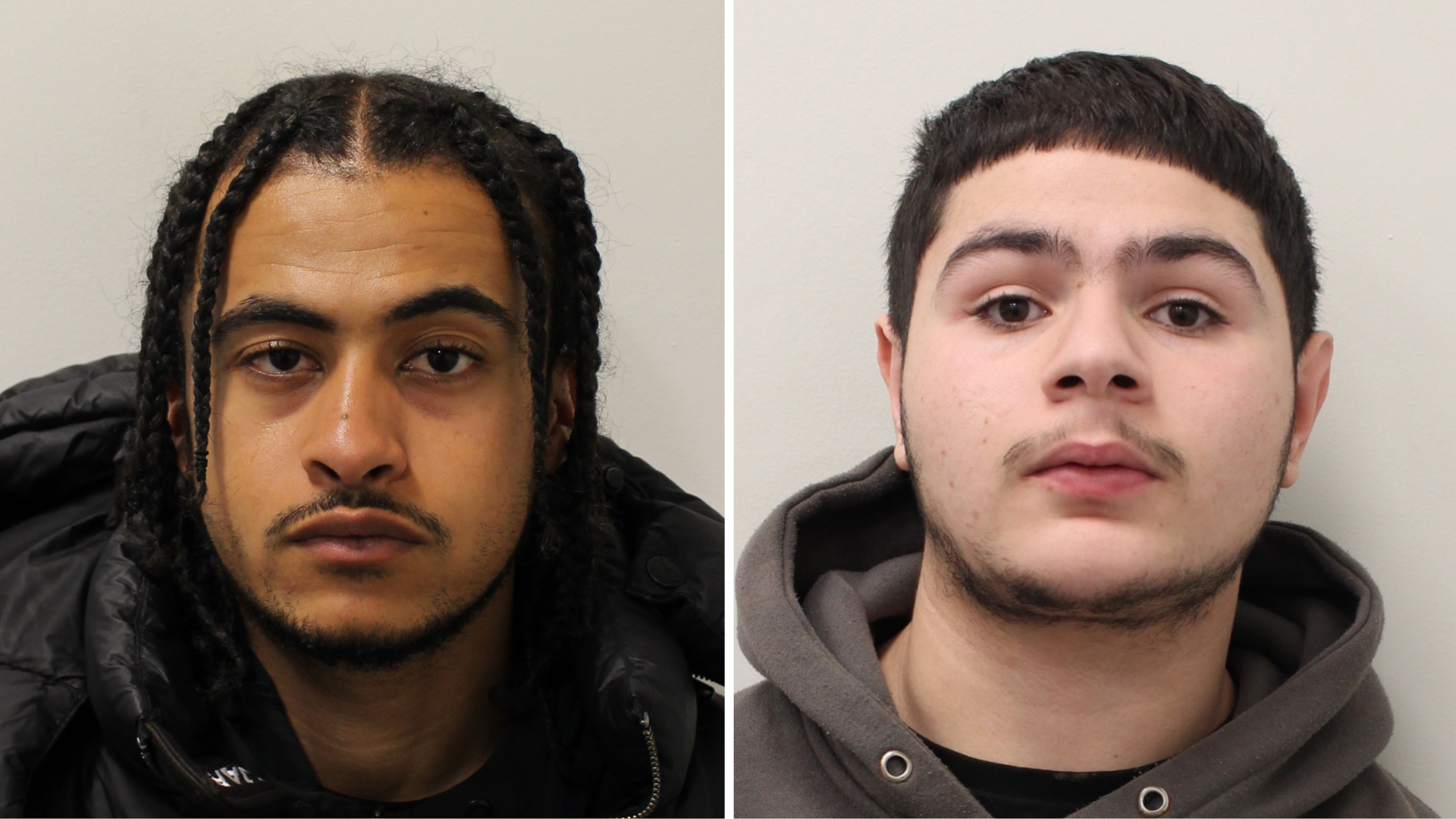
The sentencing of Perry Allen-Thomas and Amir Salem at the Old Bailey marks the end of a legal chapter, but it exposes a systemic failure in the strategy to contain London's violent street gangs. A judge handed Allen-Thomas a minimum of 38 years, while Salem received 26 years for the murder of Michelle Sadio, a 44-year-old mother of two. Sadio was gunned down in December 2024 during a drive-by shooting at a funeral wake in Willesden. She was not the target. The intended victim was Adetokunbo Ajibola, a 33-year-old rapper known as Trapstar Toxic.
This tragedy highlights a grim reality that authorities are reluctant to admit. The nature of urban street violence has shifted, and the public is bearing the consequences.
The Illusion of Targeted Violence
For years, the standard narrative from law enforcement has focused on reassurance. The public is regularly told that gang violence is highly localized, targeted, and self-contained. This perspective suggests that if you do not belong to a gang, you are safe.
The Willesden shooting dismantles this comforting theory.
When Allen-Thomas and Salem opened fire on a crowd of over one hundred mourners outside a church event, they demonstrated a complete disregard for accuracy or collateral damage. Aside from killing Sadio, the gunmen injured two other men, leaving one permanently paralyzed below the waist.
The operation relied on high-capacity firepower deployed into a dense crowd. Street conflict is no longer defined by isolated, one-on-one disputes in dark alleys. It now involves semi-automatic weapons fired indiscriminately in broad daylight or at community gatherings. The primary threat to Londoners is no longer the malice of the state's most violent actors, but their profound incompetence.
The Social Media Subculture Driving Real World Chaos
To understand why a sacred event like a wake became a free-fire zone, one must analyze the economy of drill music and digital posturing. The intended target, Trapstar Toxic, belongs to a specific generation of UK drill artists whose music relies heavily on themes of authentic street authenticity and ongoing disputes.
In this subculture, violence is digital currency.
- Taunts as Marketing: Rival factions use music videos, Snapchat stories, and TikTok uploads to mock deceased rivals or geolocate their current positions.
- The Pressure to Act: When an artist or associate is spotted in public, the opposing faction faces immense pressure from their online audience to react immediately. Delay is viewed as cowardice, which damages their digital brand.
- The Erasure of Boundaries: Historically, traditional criminal enterprises respected certain boundaries. Churches, family homes, and funerals were generally off-limits. The digitalization of these rivalries has erased these unwritten rules.
When Allen-Thomas and Salem discovered that Ajibola was attending a wake, the venue ceased to be a place of mourning. It became an opportunity for social media clout and street status. The shooters did not see a crowd of grieving families. They saw a backdrop for a high-profile strike.
The Failure of Proactive Policing
The long sentences handed down at the Old Bailey represent a success for post-incident detection, but a failure for prevention. The Metropolitan Police possess vast units dedicated to monitoring drill music videos and tracking gang injunctions. Yet, they remain chronically reactive.
Detectives can easily track a stolen vehicle or analyze phone data after a murder has occurred. They struggle to intercept the fast-moving, disorganized networks that execute these strikes. The structure of modern urban gangs has decentralized. The old hierarchies are gone. Today's networks consist of loose, fluid affiliations of young men who organize logistics via encrypted messaging apps in a matter of minutes.
This operational speed leaves traditional, bureaucratic policing models far behind. By the time intelligence suggests a specific tension is escalating, a vehicle has already been stolen, a firearm has changed hands, and innocent people have been caught in the crossfire.
The True Cost of Collateral Damage
The judicial system measures justice in years served behind bars. For the community left behind, that metric is meaningless.
The family of Michelle Sadio must raise two children without a mother. Another family must adapt to the lifelong reality of a relative paralyzed from the waist down. The psychological impact on the hundred-plus churchgoers who fled the gunfire will persist for decades.
Guns in London are difficult to source and expensive to buy. This scarcity used to suppress the homicide rate. Now, it means that when a firearm is obtained, it is used repeatedly, often by untrained individuals who cannot handle the recoil of an automatic weapon. The result is a high volume of stray bullets.
The convictions of Allen-Thomas and Salem will not deter the next iteration of young men looking to secure their reputation on the streets of Brent or Wembley. Until policing strategies shift from monitoring the online symptoms of this subculture to actively disrupting the supply of illicit firearms and addressing the underlying breakdown of community safety, the public will remain involuntary participants in an ongoing turf war. The Old Bailey can fill prisons, but it cannot restore the sense of security shattered on a December night in Willesden.